Reflection: 16/02/20

During this workshop, we had an online seminar to learn how to use ISO and shutter speeds. We had several tasks in which we had the opportunity to play around with the camera and find which settings worked best in different environments and lightings.

I did find the online seminar really difficult as when I was struggling with something it was more difficult to be shown how to do it or correct myself. I came away from the seminar feeling like I had learnt what ISO and shutter speed were, but not necessarily how I could use them properly to my advantage. I feel like there is a lot of room for improvement still.

During this week I also realised that I would now have to change my final project. Due to COVID-19, the topic I originally wanted to cover is no longer accessible so I am going to have to re-think my ideas and pitch something that will be able to work around the current situation that we are in.

Technical: ISO and Shutter Speed

In this technical workshop, we looked at how to use ISO and shutter speeds. This was an online seminar in which we were given several tasks to complete using our cameras. It was an opportunity to have a play around with these techniques and see what settings worked best in which environments etc.

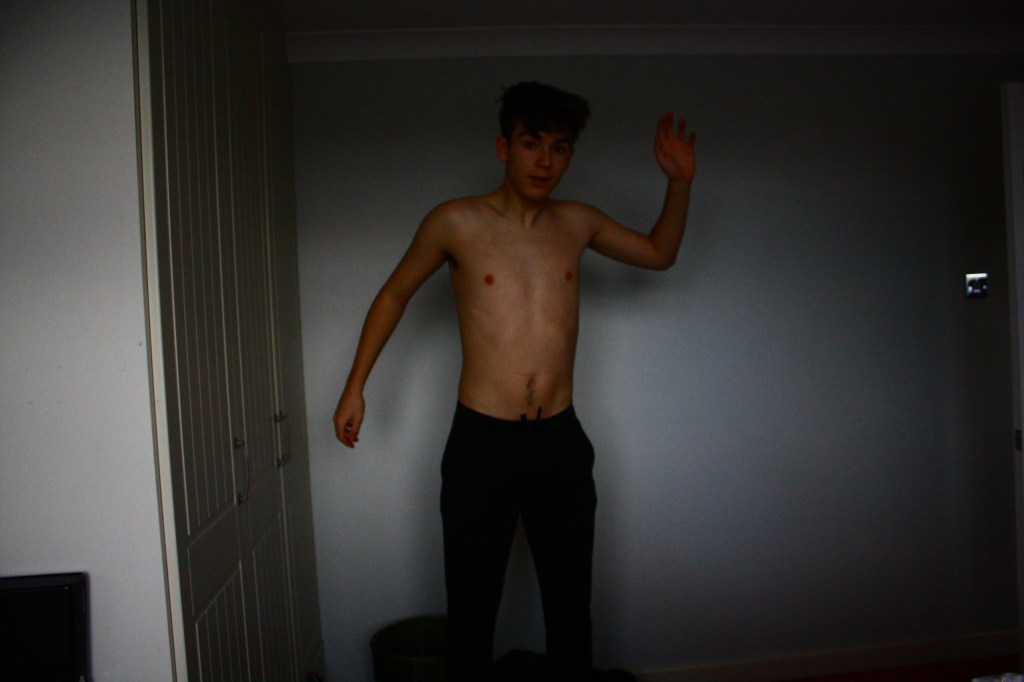
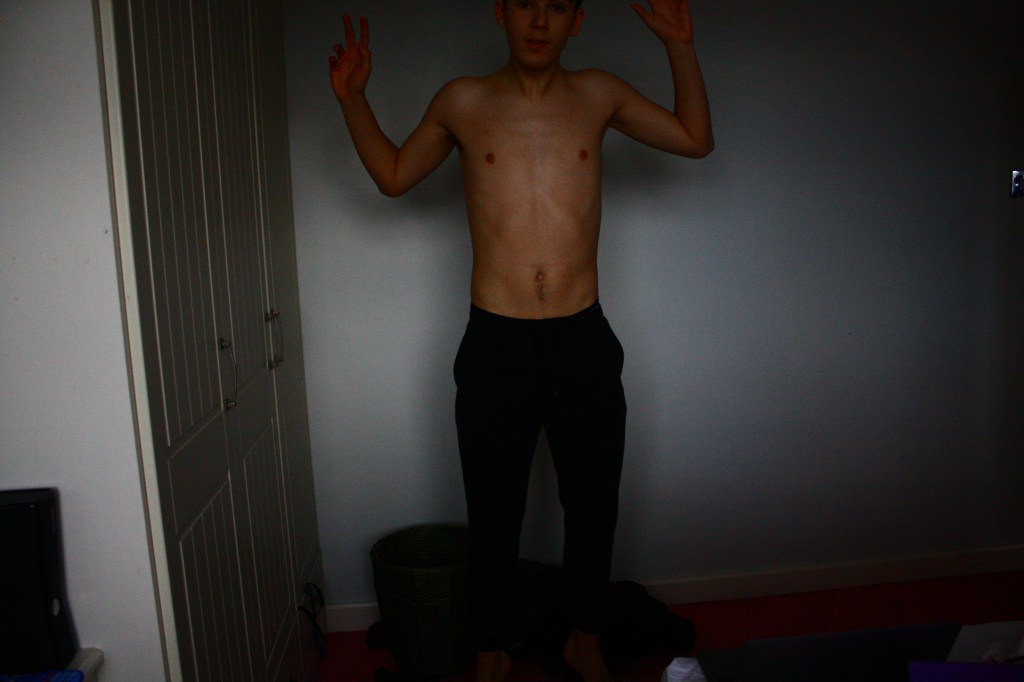
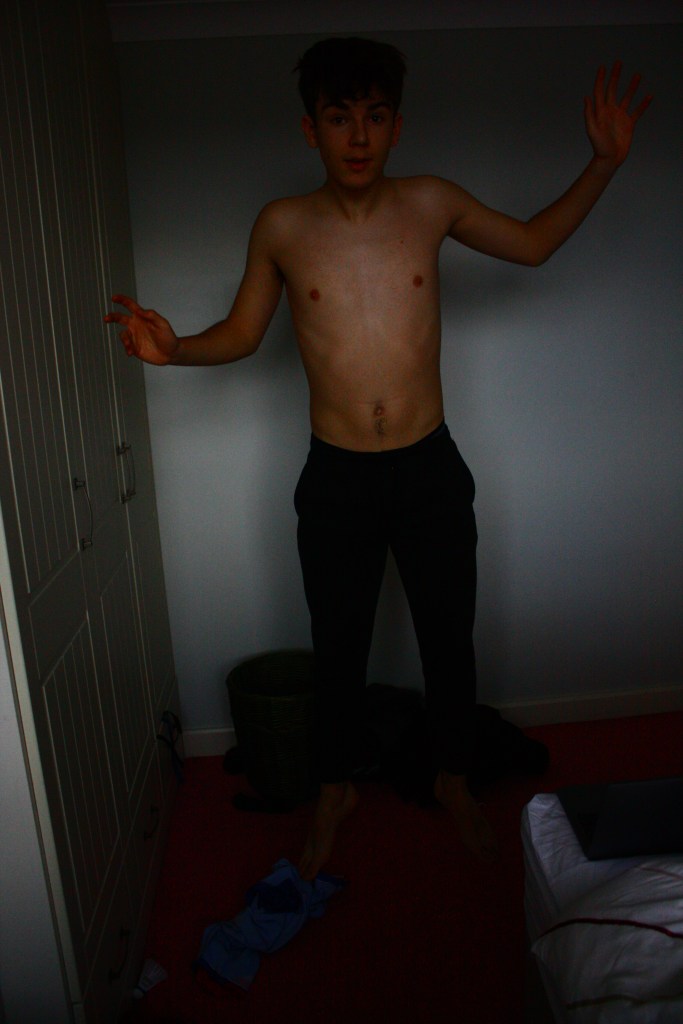
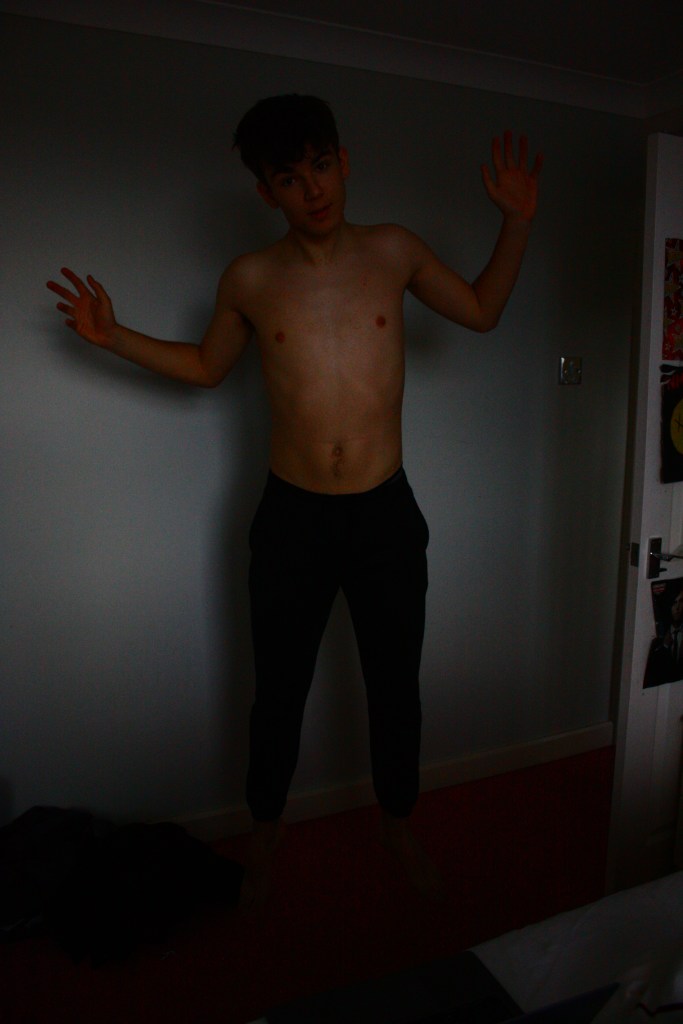
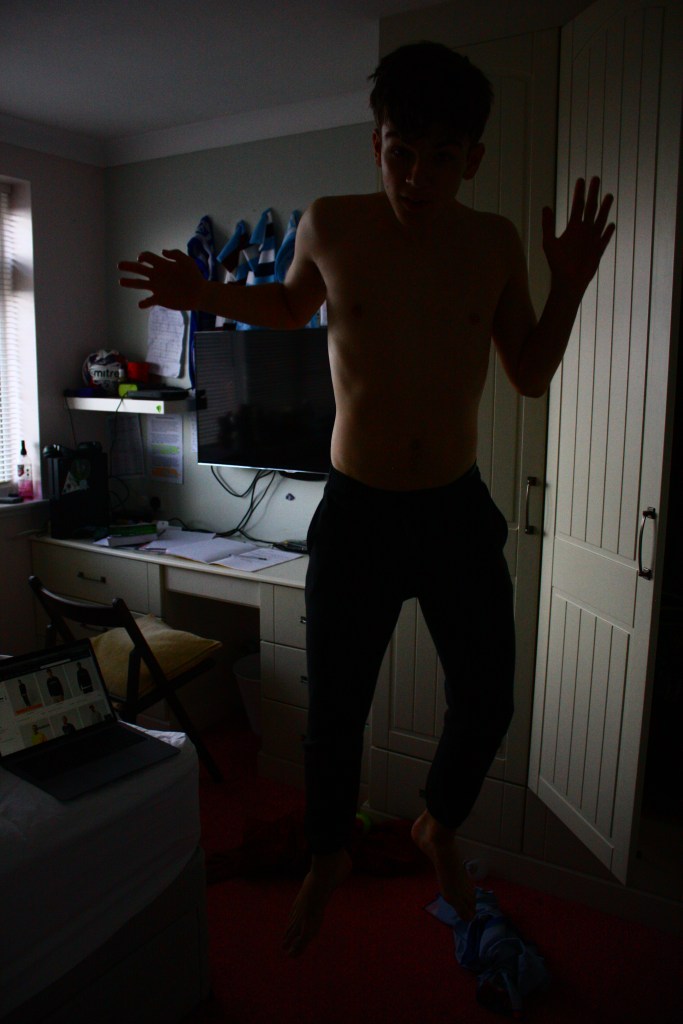
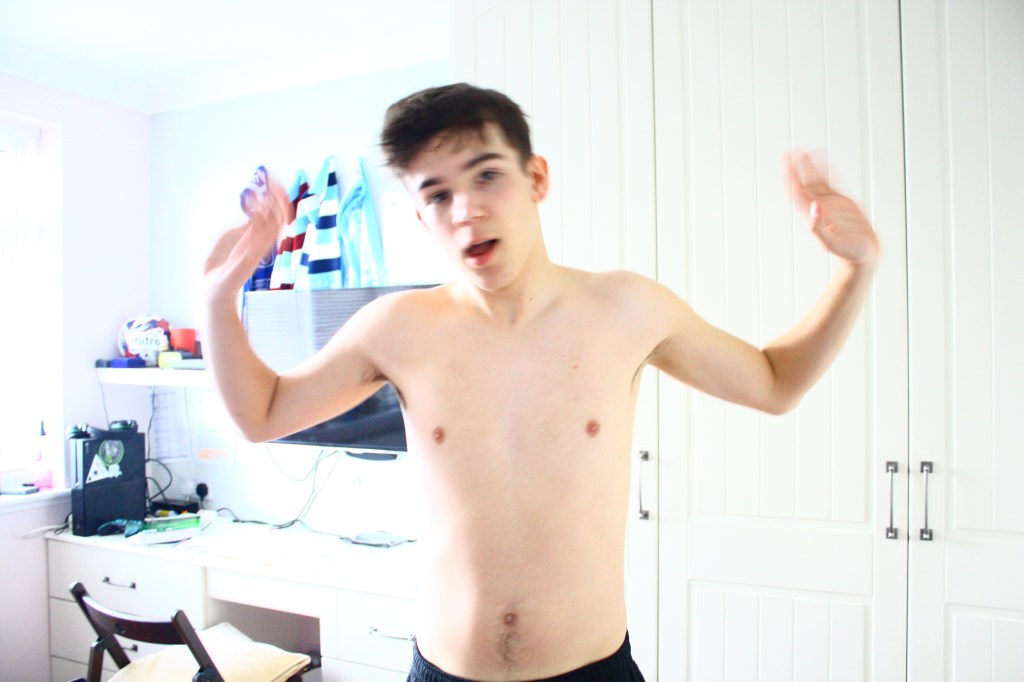
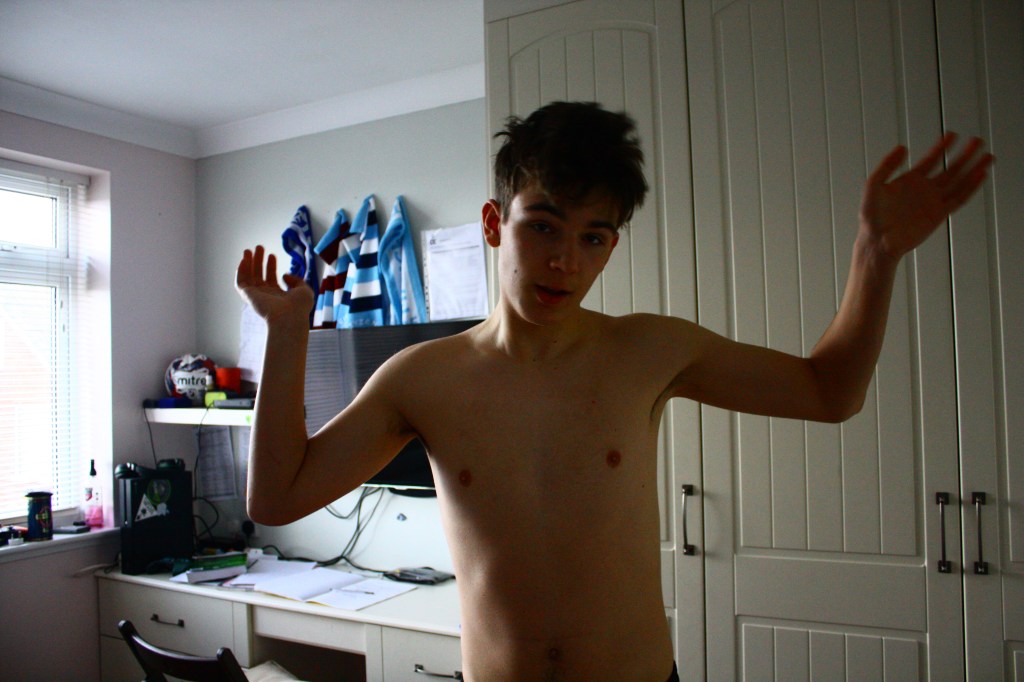
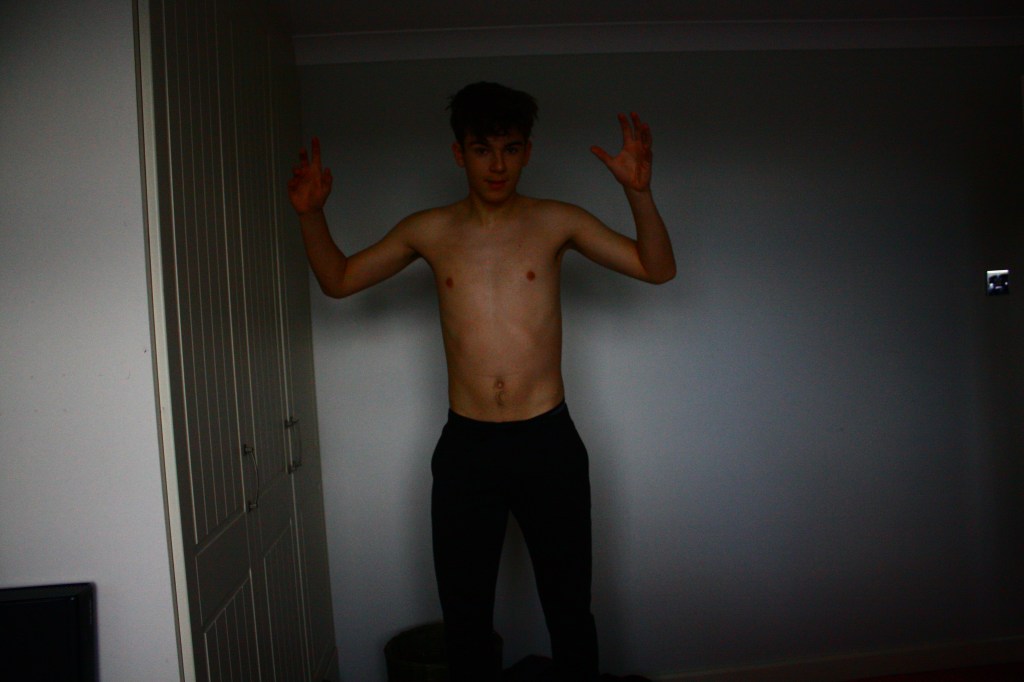
The first task was to play around with shutter speeds, taking images of a subject jumping in the air, trying to get a shot with no movement, using a high shutter speed. Even after adjusting the ISO (1600) and F stop (4,5), the lighting in the images was still very dark. I went for a lower setting on the shutter speed, taking it down from around 1/1000 to 1/500 and still managed to capture a few shots with little movement in them.

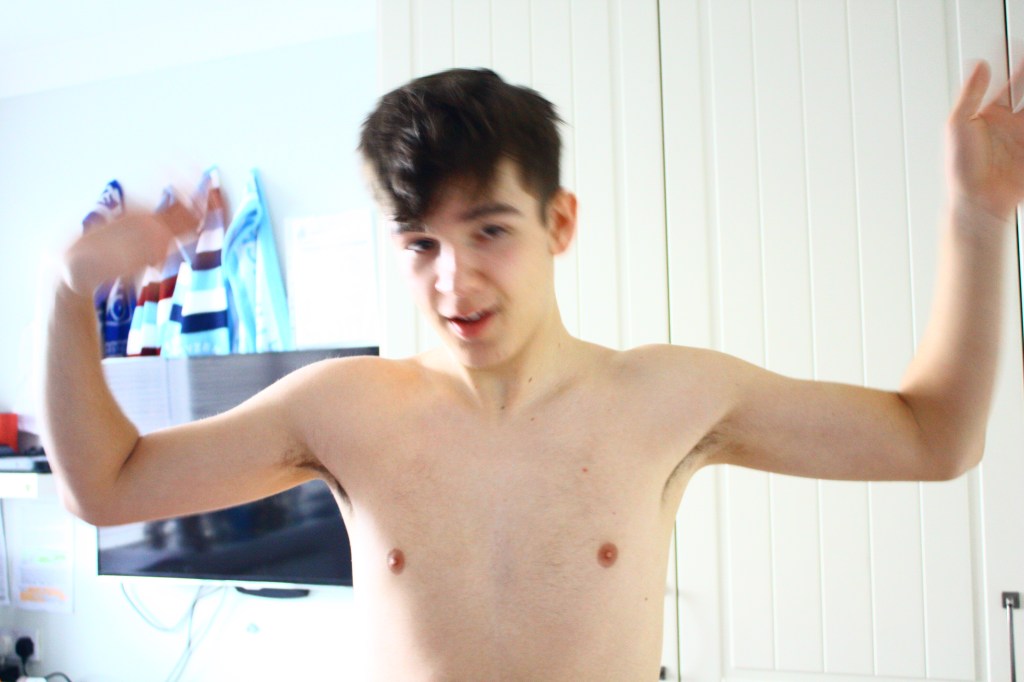
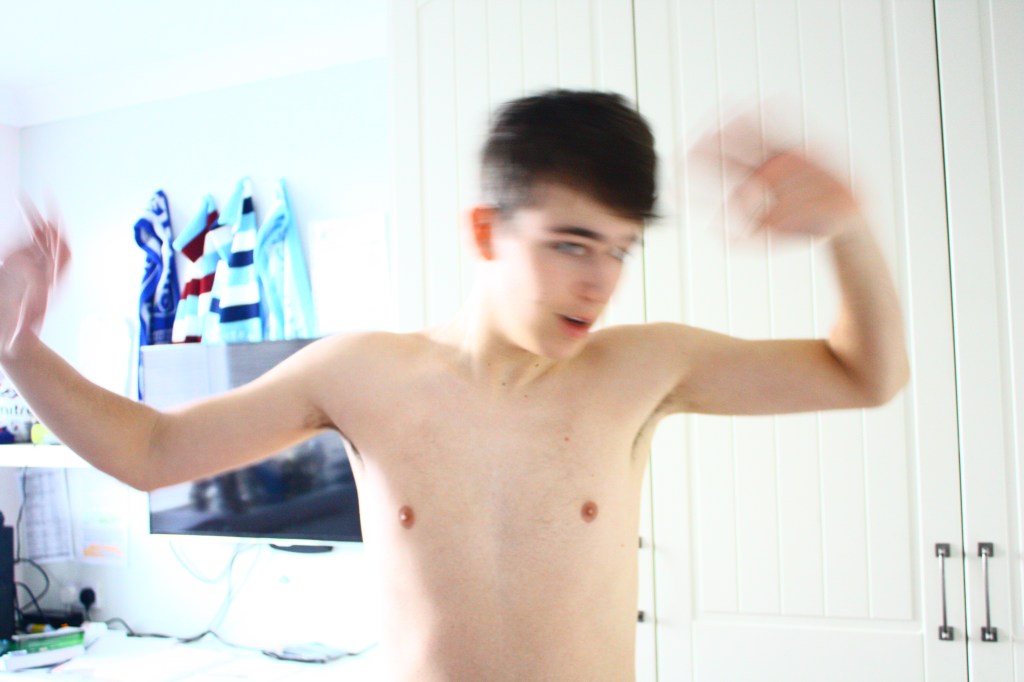
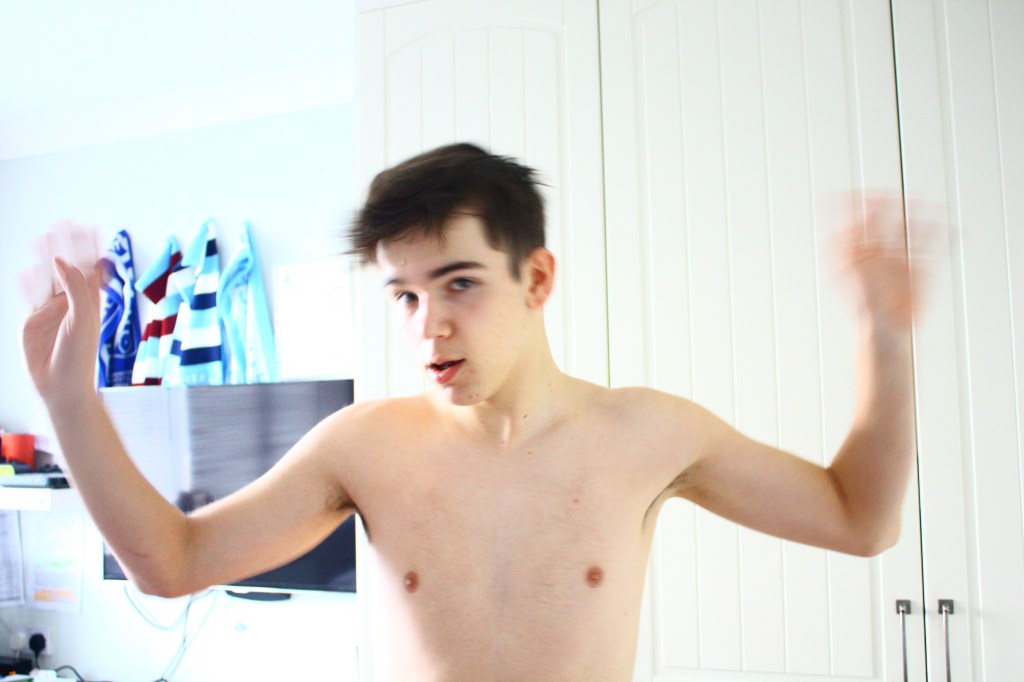
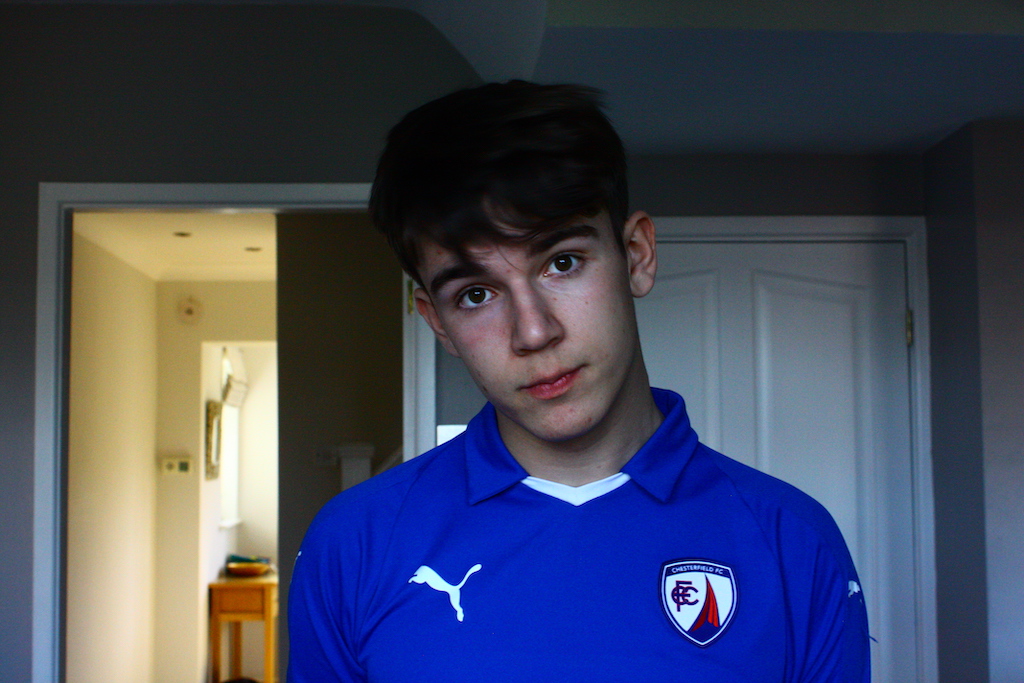
In this task, I took photos with a slow shutter speed to capture a more interesting effect. This was around 1/400, with a high ISO about 1000 and an f stop of 4.5. This lets a lot of light into the images and created a blurry effect around the hand and head which were the parts of the body being moved around.

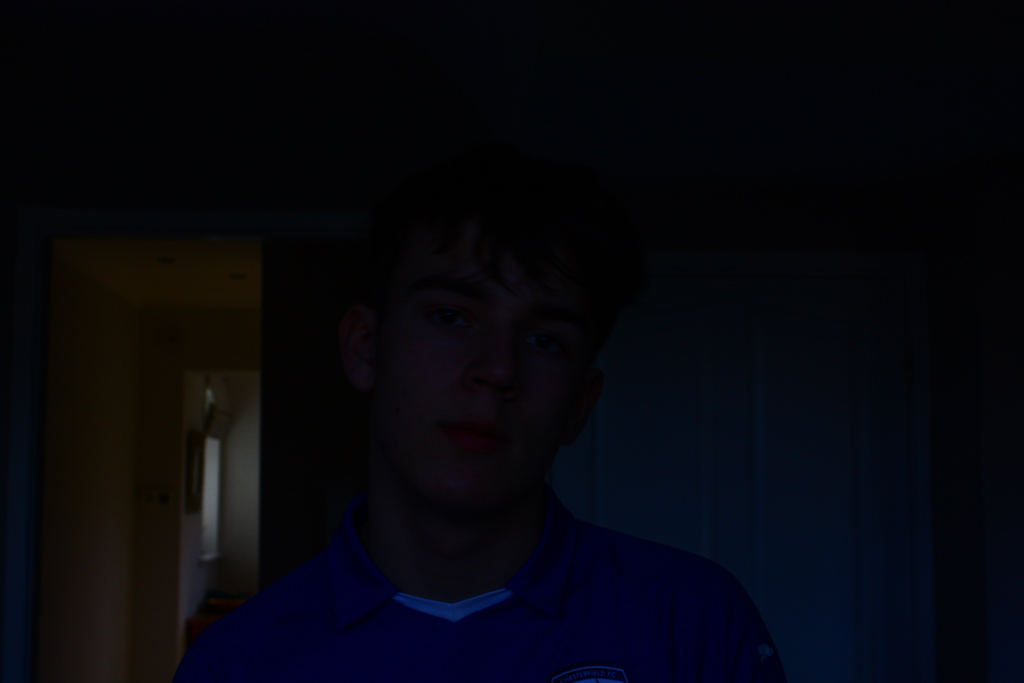
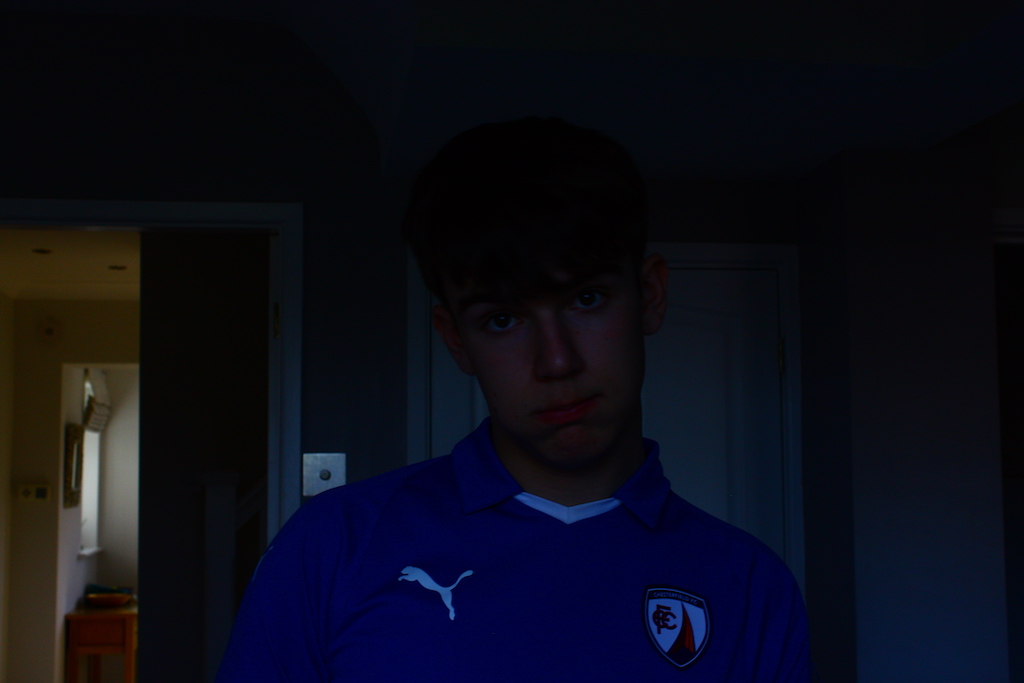
The above images were taken inside at a medium f-stop (about 7/8) and with the shutter speed at 1/125. The ISO was then set to 200,400,800 and 1600 for four different images. As you can see in the images, as the ISO increases, the images get brighter. In the first few images, where the ISO is 200/400, you can barely see the subject and it’s not until ISO 1600 that the subject of the images is really clear.

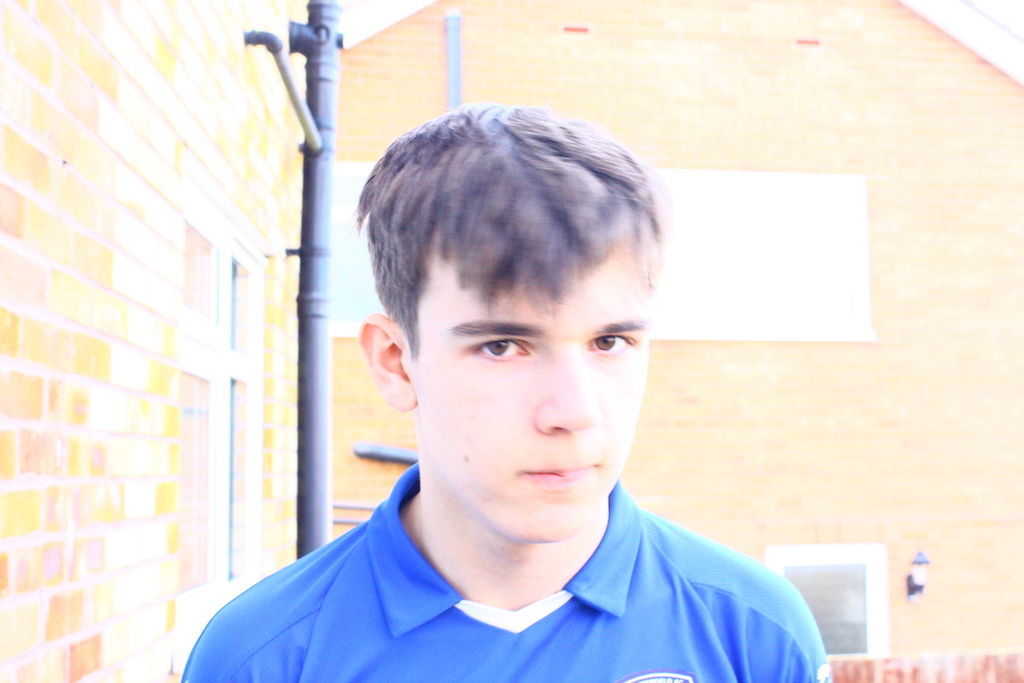
In the outside images, the shutter speed was set to 1/160 and you can see the subject clearly in all photos. However, as the ISO increases, the subject actually because too bright and get’s whitewashed. The second image, where the ISO is 400, is the best in terms of lighting and being able to see the subject of the image clearly, without any of it being cast into darkness or way too bright.

Project Pitch

BLOOD, SWEAT AND CHEERS

For my final photojournalism project, I am interested in discussing how cheerleading is misrepresented as a sport. For years there have been stereotypes against cheerleaders, in the way they are portrayed in movies and other types of media. However, people are becoming more aware of the reality of cheerleading, which is now one of the most dangerous sports that women participate in. Millions of people across the world put themselves through the blood, sweat and tears that is being a cheerleader.

The images will tell a story of the journey from gruelling training sessions, open gyms, full outs, on the mat at competitions and through to the awards ceremony. They will depict the various emotions at each stage of the journey, including injury and or/ mistakes made in practice, as well as the euphoric feeling your team name being crowned champions.

I will interview cheerleaders from a level 6 team, Aviators Aces, that are heading to the ICU World Championship where around 300 teams compete in 21 different divisions. I will interview their coaches, talking about the hard work that goes into perfecting the routine to earn a bid to Worlds. I also plan to speak with someone from a cheerleading association about how the sport, especially in Britain is increasing in popularity and becoming more appreciated, as well as what the associations are doing to support the sport.

In terms of structure, I will be creating my piece on InDesign across a four-page magazine spread. It will follow the journey of the team, almost like a timeline, beginning with their training sessions, their final competition in preparation for Worlds, and finishing with their Worlds placing. The piece will be between 2000-2500 words and feature 8-12 images to help document the story.

Project Ideas

CHEERLEADING

For this idea, I am interested in looking a the misconceptions of what cheerleading is and how it is no longer just sideline but a disciplined and competitive sport. I would be interested in following a team on their journey to a competition in order to document the hard work that goes into it. I would interview members of the team about their cheerleading journey, any challenges that they have faced and why they participate in the sport. I would also interview coaches about the time and energy that goes into the sport and all the behind the scenes action that you don’t see in competitions. It would also be a bonus to speak to a cheerleading association about the competitions they hold, why they are so important to promote cheerleading as a sport. In terms of photography, I would create almost a timeline of the journey that they go through. It would start at training sessions to document everything that goes into perfecting the routine, and finishing at competition with all the glitz and glamour, and the awards ceremony.

LONELINESS IN OLD PEOPLE

For this project idea, I would document the lives of elderly people who are living alone or in care homes, speaking to them about their experiences. I would speak to people who maybe don’t have any family left about how they feel in their old age and the things that could be done to improve their lives. I would interview people who work in the care homes/with the elderly about what it is like to see people living like this and how they try to help them. The photography would depict the loneliness they feel, possibly using black and white photographs to add more emotion to the images.

STUDENT FOOD BANKS

It has become a huge problem in Leeds that a lot of students are now relying on food banks. The universities have set up food banks so that struggling students have access to free food so that they can survive while at uni. I would be interested in interviewing the people who have set up the food banks to find out why they did it and how they came to realise that there is an issue with students being able to afford to eat. I would also interview students who are now relying on the food banks about why they are struggling so much and what can be done to help them get back on track. Photography would include images of the food banks and people using them to show just the types of necessities that students are now needing to access for free.

Reflection: 2/02/20

During this weeks workshop we began to photo shop the images from the week before, ready to put them on the blog with an accompanying story. We were shown how to crop images using the rule of thirds grid, as well as colour correct the images using tools such as saturation and brightness.

With my two best images, I cropped them so that they had different compositions, in order to create variety, and increased the brightness in one of the images as it was quite dark in comparison to the other. After this I exported them both so they were both JPEG images, making sure they were 1024 pixels, ready to go on word press.

Following this I started writing up the article to accompany it, stories in the city. I transcribed quotes from the interview that I did and created a small profile about why my interviewee loves Leeds. I inserted the two photoshoped images as well.

After this session I feel confident in using photo shop for my final project.

Stories from the City

Diversity and culture in Leeds are why this resident loves his city

by Eliza Laben

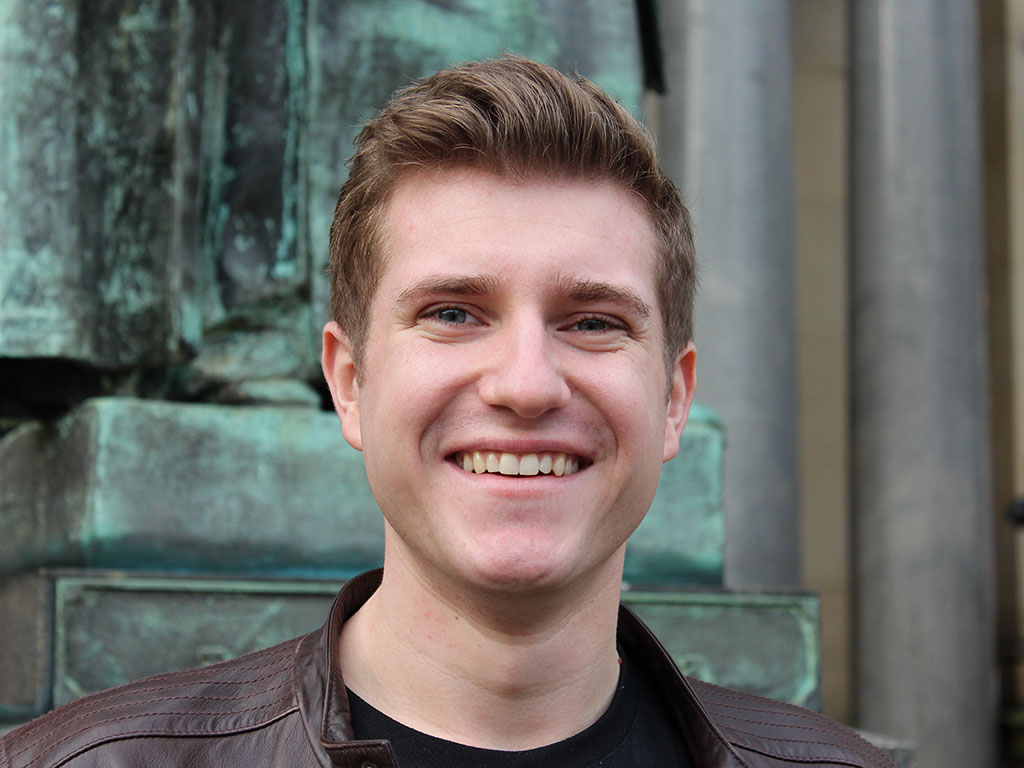
Born in Otley, Joe Butler-Trewin has lived in Leeds since birth. Now aged 24 he has moved to Burley to a attend university. After spending the last few years working on campaigns for the Labour party he has spent a lot of time in the city, attending different events and tells me why he loves it so much.

“I love Leeds because it’s full of diverse culture, really interesting venues, museums, bars, restaurants. Outside of London, I think it’s the best city in the country, there’s so much to do here and not enough people visit.”

Joe Butler-Trewin was born and raised in Otley, Leeds.

Butler-Trewin now studies Public Relations at university in Leeds, taking his experience from the Labour party and applying it to a new challenge. His second passion, he tells me, is music. “My favourite thing in Leeds would have to be the Belgrave music hall, the gigs are amazing, the food is amazing and it’s just really vibrant.”

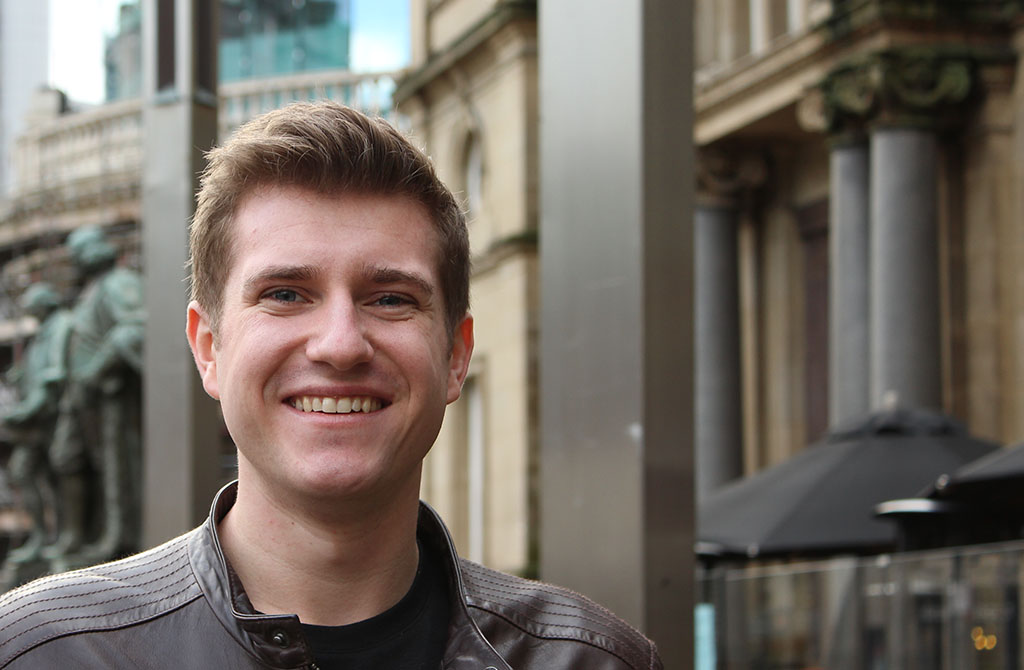
He is passionate about the music and events that take place in Leeds.

“If I could change one thing about Leeds, I would want a bigger events space, something like the Manchester arena. We have the O2 and first direct but nothing big enough to draw the really big bands in, so you have to go to Manchester or Birmingham to see them.”

Between Otley and the city centre, Butler-Trewin has fallen in love with the city of Leeds and the people that reside here, and couldn’t imagine living anywhere else.

Reflection: 24/02/20

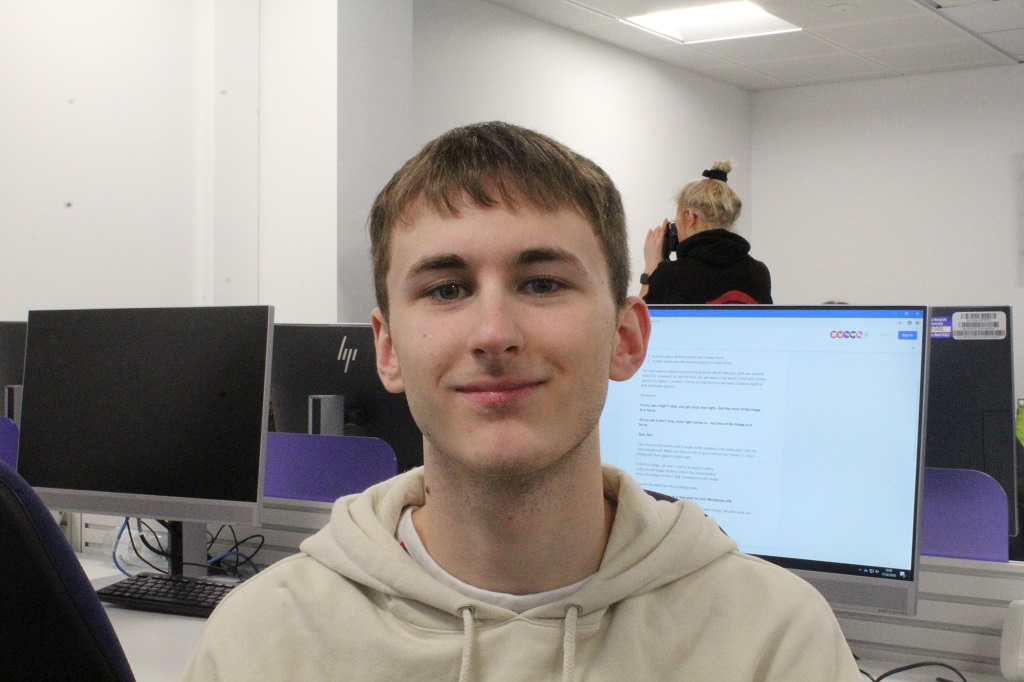
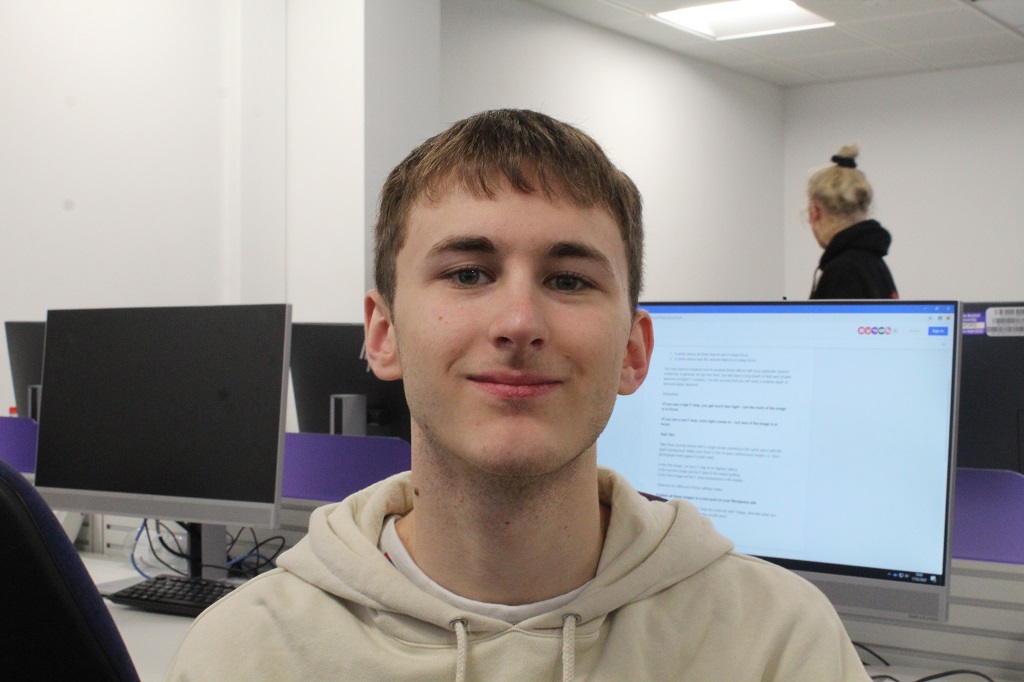
This week our workshop task was to go out into Leeds city centre and ask people why they love Leeds, and to photograph them in sharp focus.

I found a young man from Otley, aged 24, who now lives in Burley as a student. He previously worked for the Labour party, helping Alex Sobel (The Leeds North West MP) run his campaigns. He is passionate about music and spoke a lot about how he views the variety of event and music spaces in Leeds.

I then took photos of him in the city centre, close up and in sharp focus by using a low f-stop. I had a few issues when photographing as the main subject kept loosing focus and focusing on the background, but I quickly figured this out and got some good shots that I can use.

Reflection : 17/02/20

This week during the photo journalism workshop we did our first technical task. We went in to detail about how to use aperture to your advantage while photographing. We discussed how a lower f-stop on the camera means less light is being allowed in, which as a result will cause the background objects of the photo to loose focus. If the f-stop on the camera is higher, more light will be allowed in and all the objects in the photograph will remain in sharp focus.

Following this, we put what we had learnt into practice using DSLR cameras, and objects that we had brought in to the workshop. Personally, I was very interested in photography when I was younger so was familiar with some of the information we had been given, but I still found this workshop really beneficial in refreshing my memory, and getting used to a different camera than the one I had previously used.

After playing around with the camera and f-stop, I became comfortable with understanding which f-stops to use in which light and to achieve the desired affect. However, I also learnt the different angles that can affect the outcome of the photo. The task in general was very useful in numerous ways and I feel confident in using the aperture to my advantage when photographing.

Technical: Depth of Field

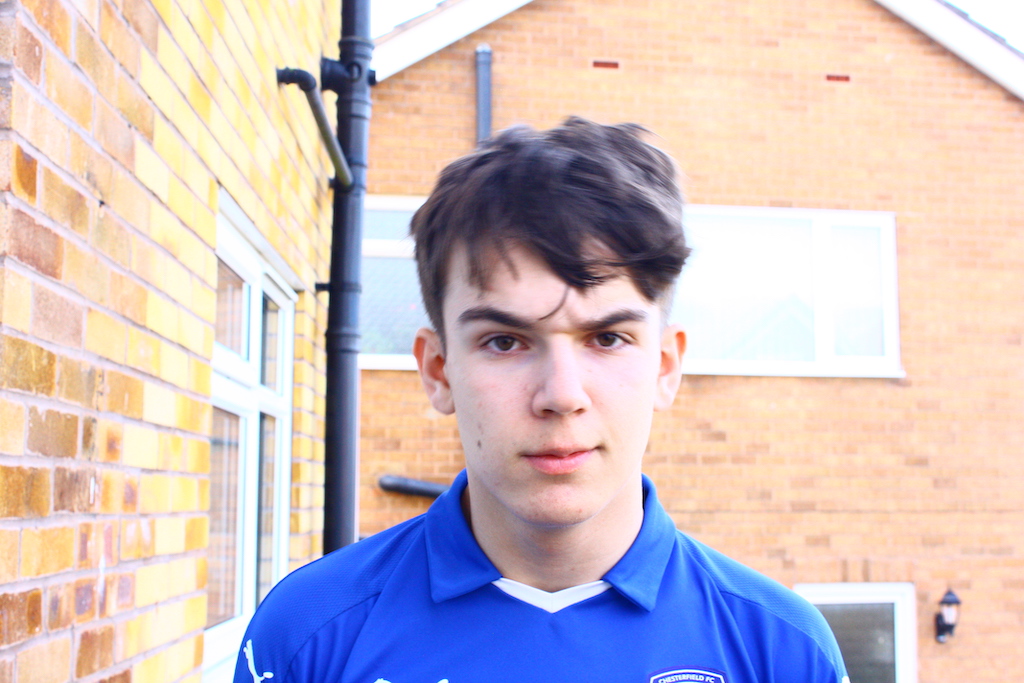
In this first image, I had the f-stop at 3.5 in order to achieve a sharp focus on just the foreground object. The rest of the image has gone out of focus so that all the attention is on the object that is in sharp focus, to make it the centre focus of the image.

In this image, the f-stop was at 11 to keep all three objects in focus. The third and furthest away object, the camera bag, has lost a little bit of focus which means the f-stop possibly needs to be a bit higher. The other two objects have stayed in sharp focus.

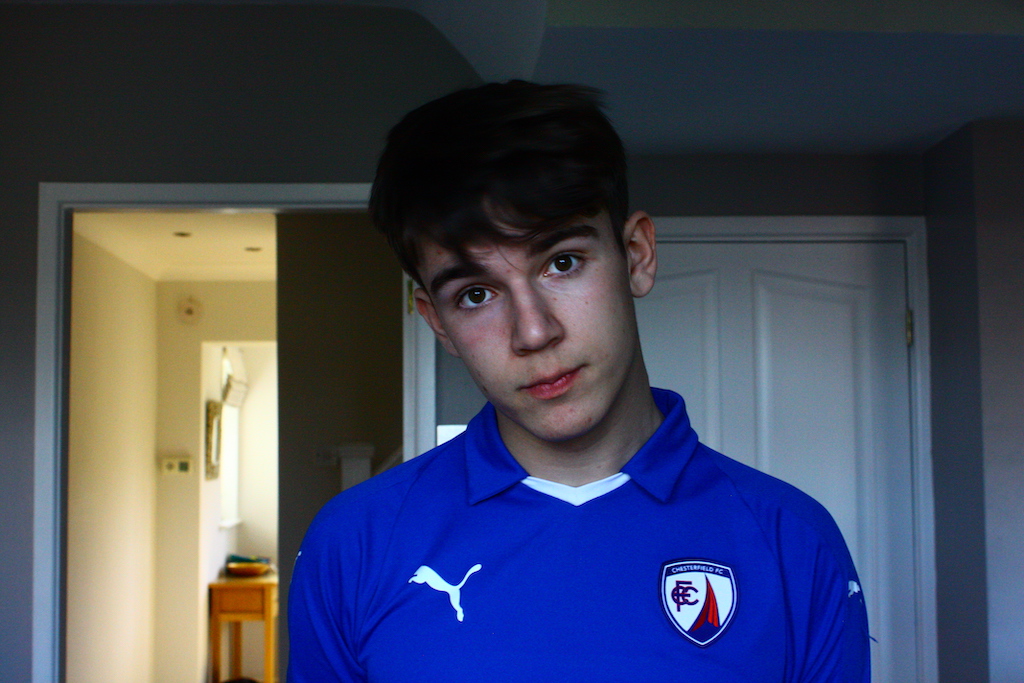
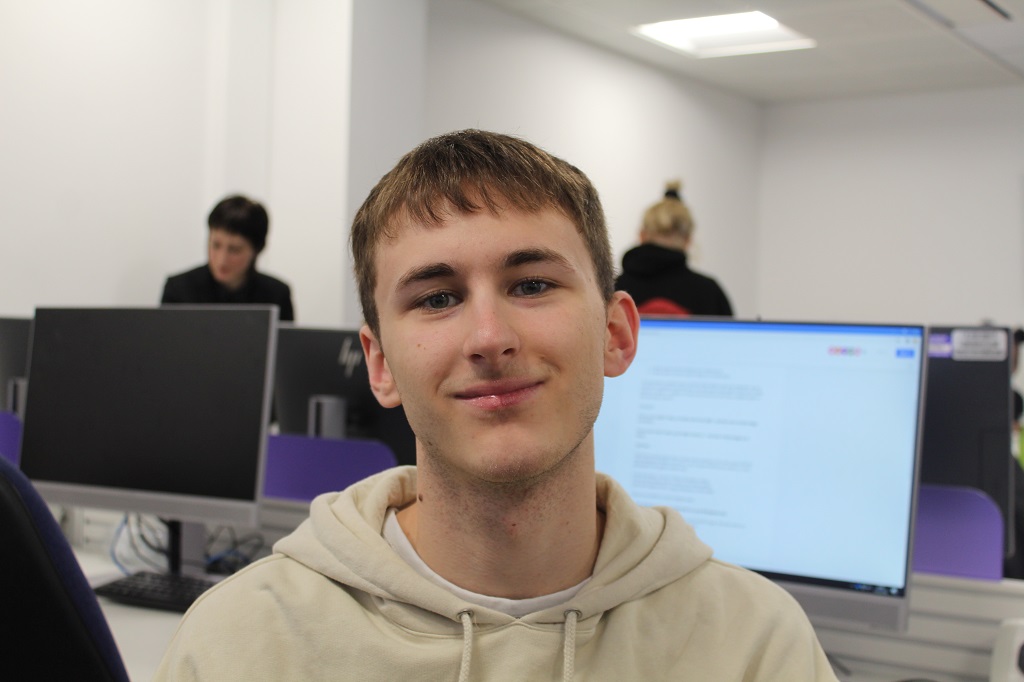
In this portrait image, the f-stop was at the lowest setting which was 3.5. This kept the subject in sharp focus and everything in the background out of focus. It also kept the colours in the image warm because it lets in less light, which was important in such a bright room.

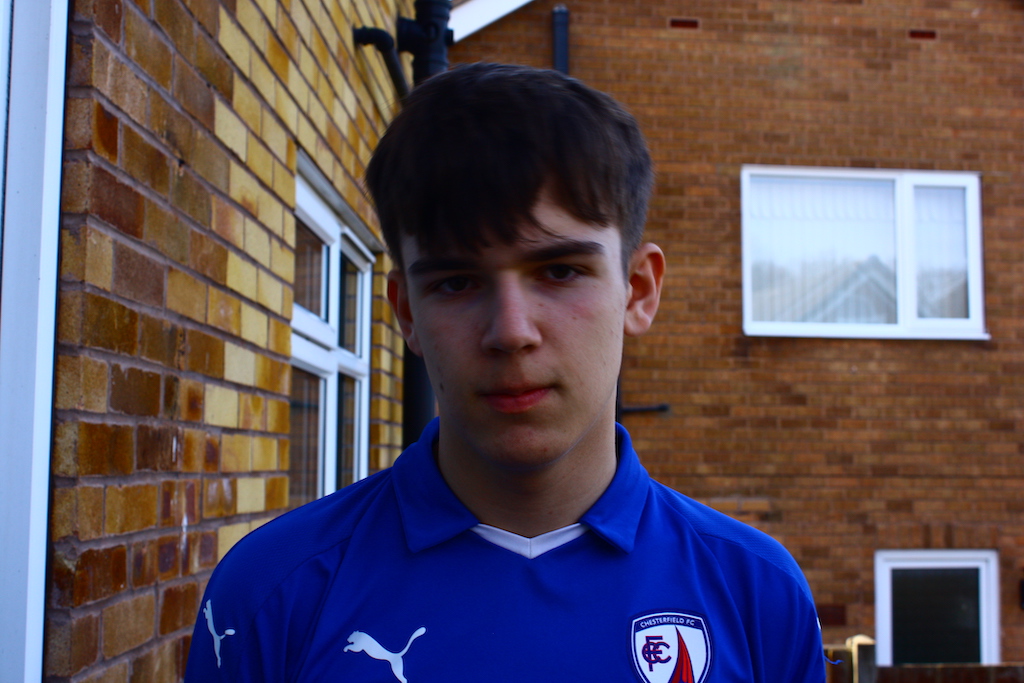
This image was taken using the highest f-stop setting which was 29. The outcome of the image was poor quality and the subject appears quite white-washed. Everything in the image remained in focus, however, appears quite pix-elated.

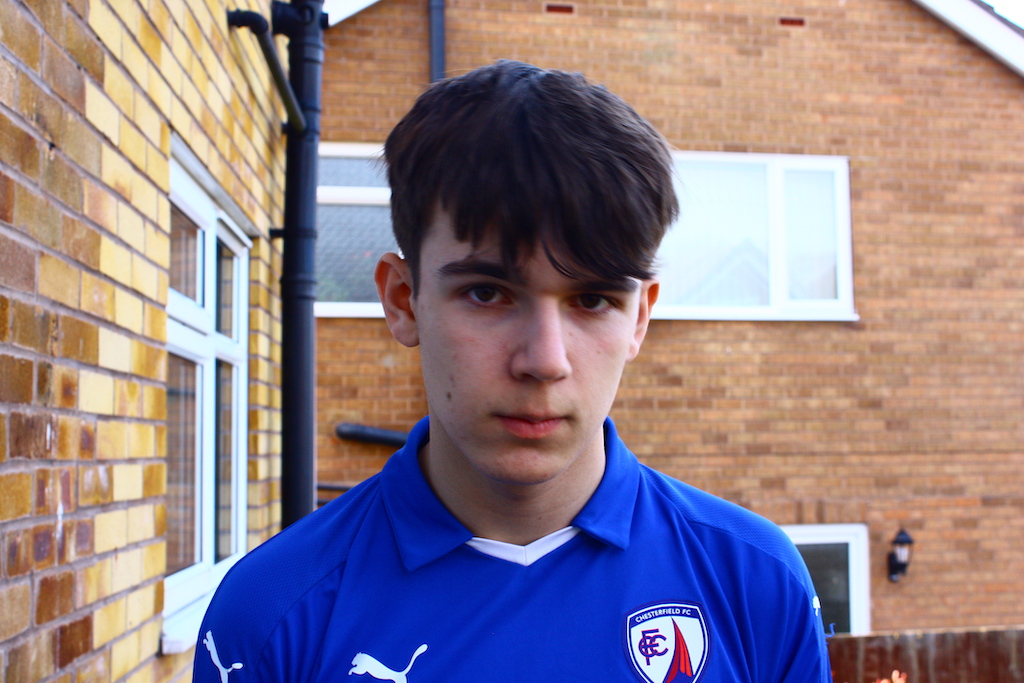
The final image was taken on a medium f-stop setting of 13. The image has lost a bit of colour but less than the image before. It is also slightly blurred in the background but remains mostly in focus.

Social Documentary

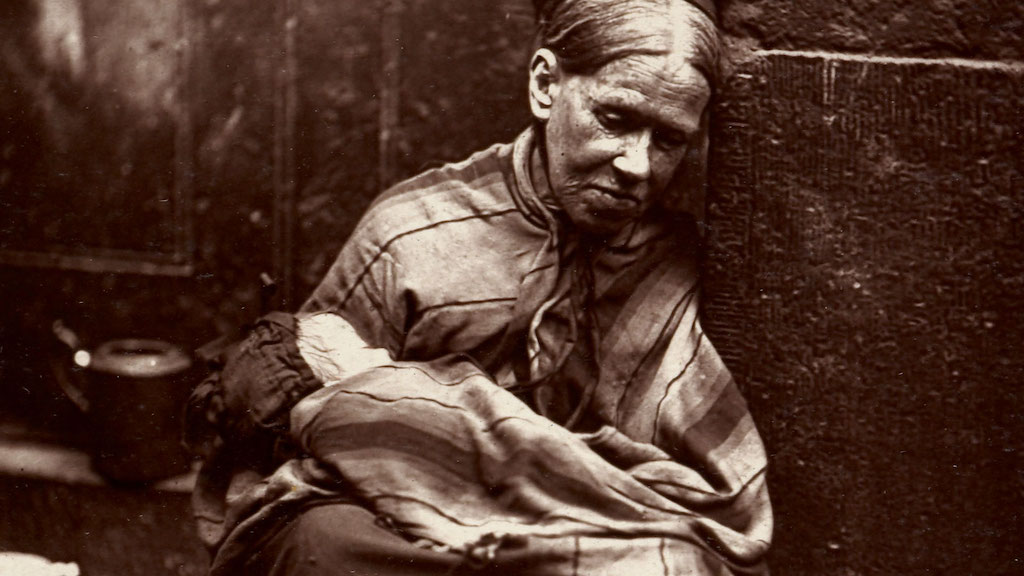
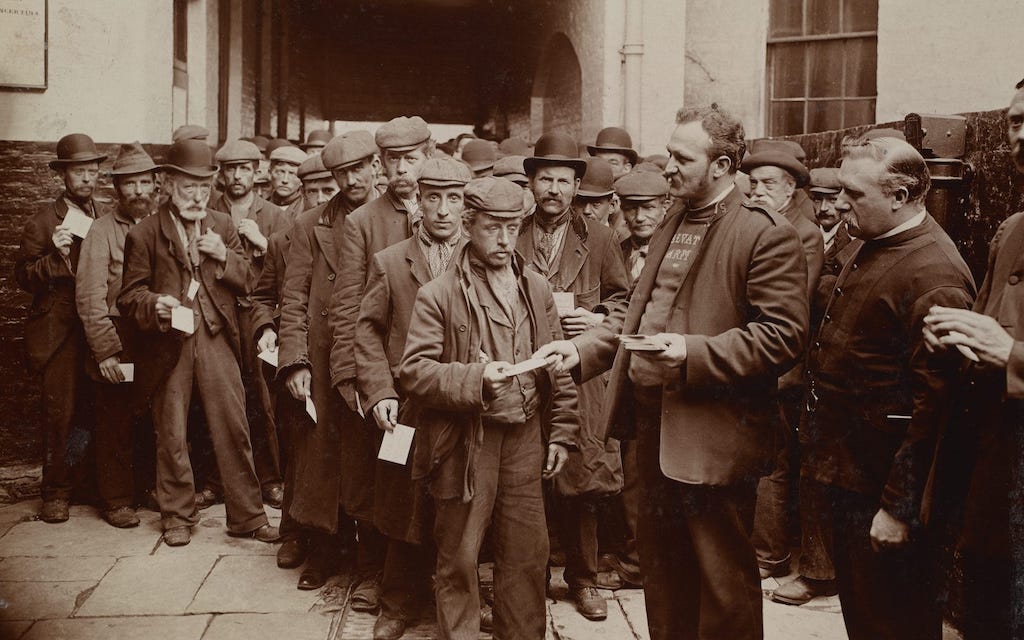
Social documentary is a form of documentary photography in which you record social issues and situations. In the 19th Century, social classes were the subject of photography, and due to the social impact that industrialisation had, England was the birthplace for social documentary.

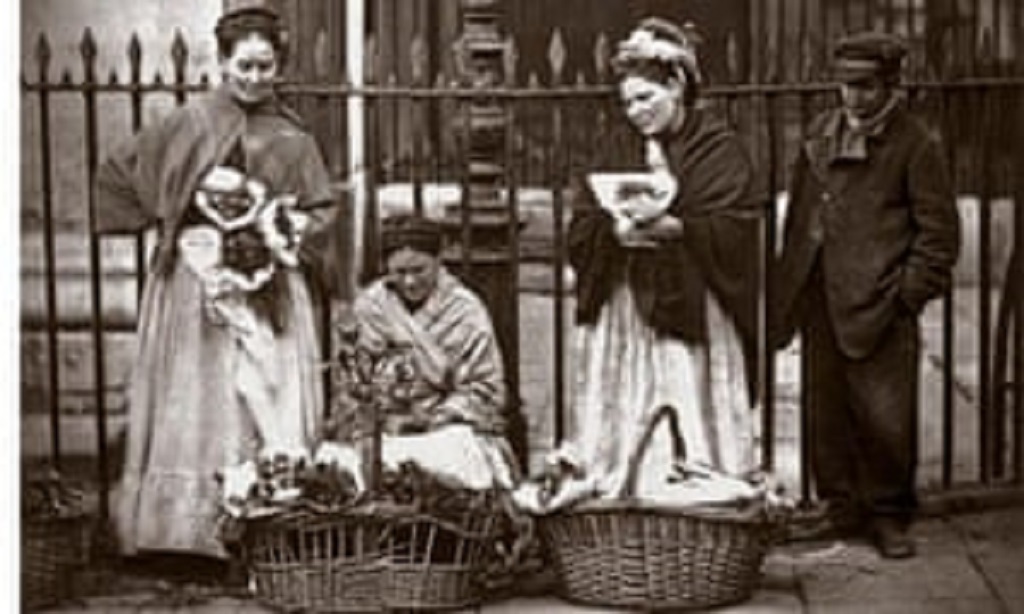
HENRY MAYHEW

Mayhew was a journalist and playwright as well as a co-founder of the satirical magazine Punch. He was one of the first photographers of the genre, producing London Labour and the London Poor, a depiction of London’s working class.

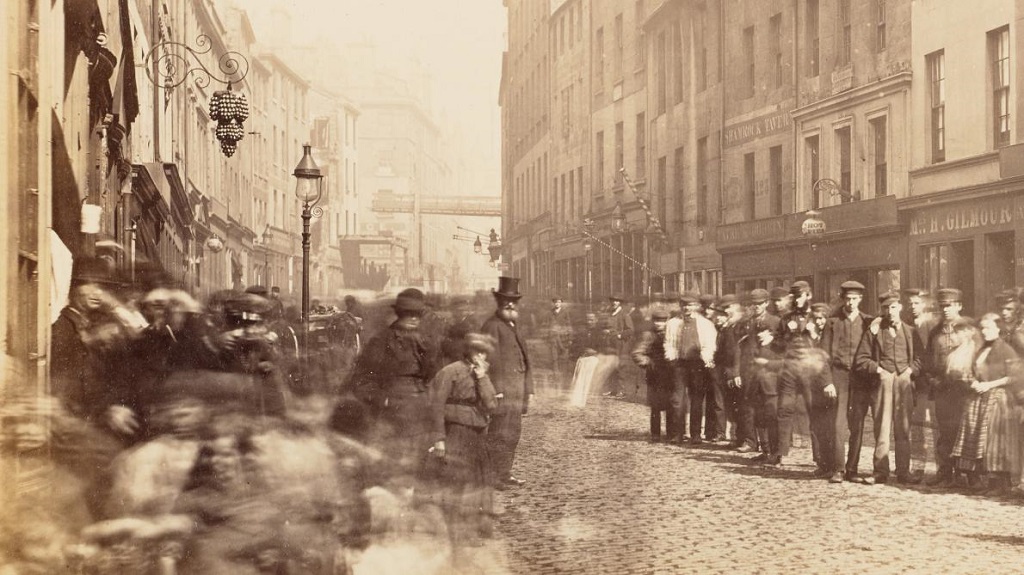
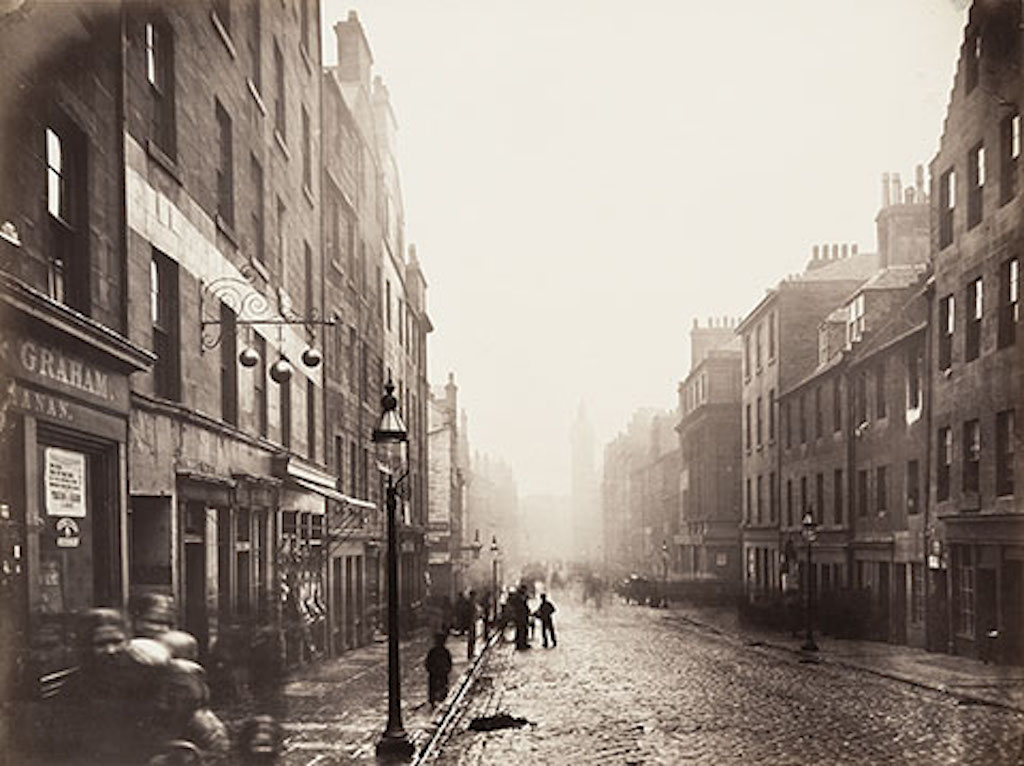
THOMAS ANNAN

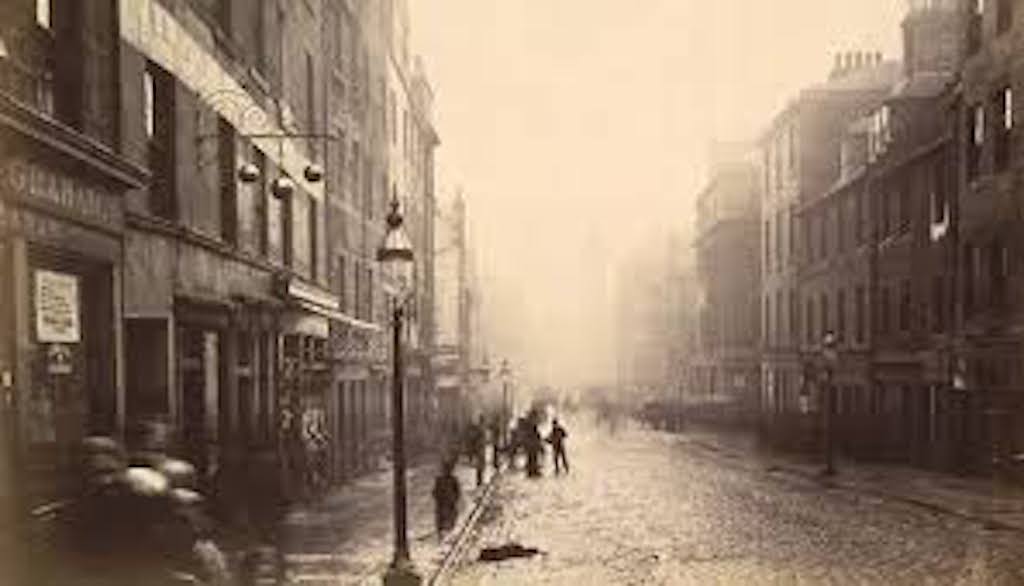
Also in early stages of the genre, Scottish photographer Thomas Annan photographed the slums of Glasgow. He was known for being the first photographer to record the bad living conditions of the poor.

BILL BRANDT

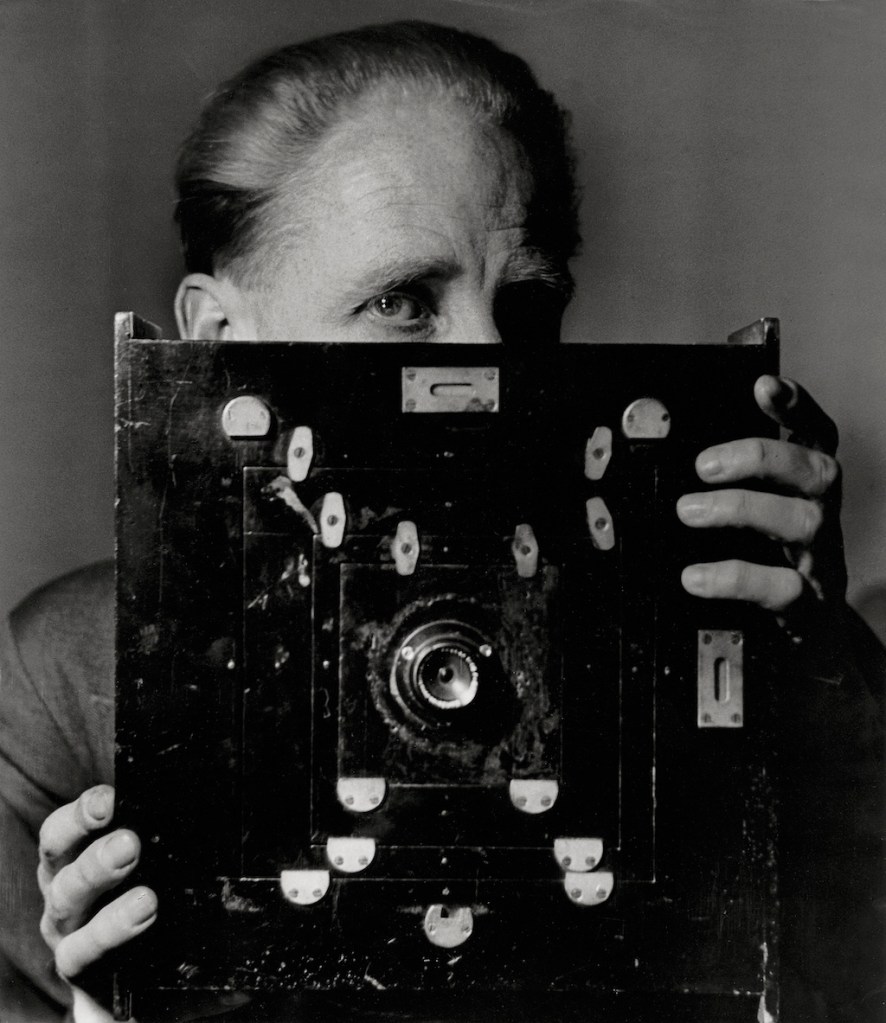
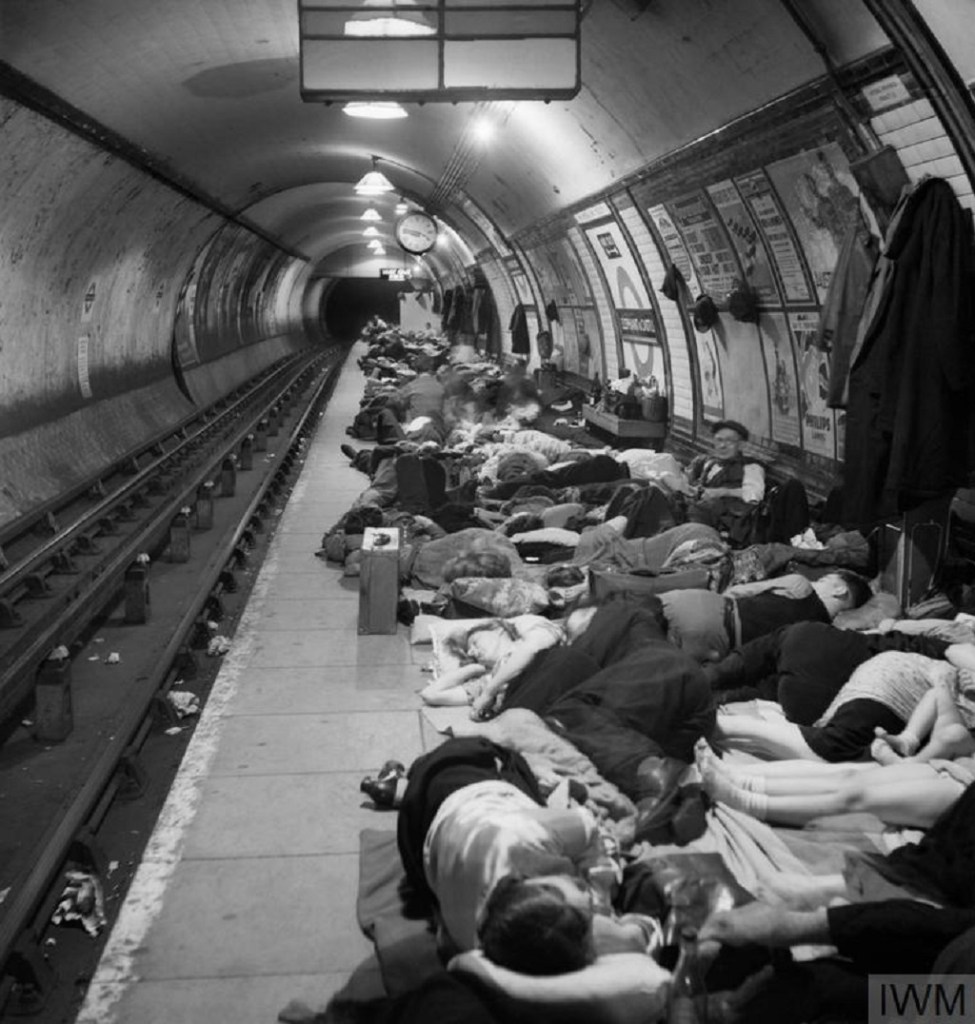
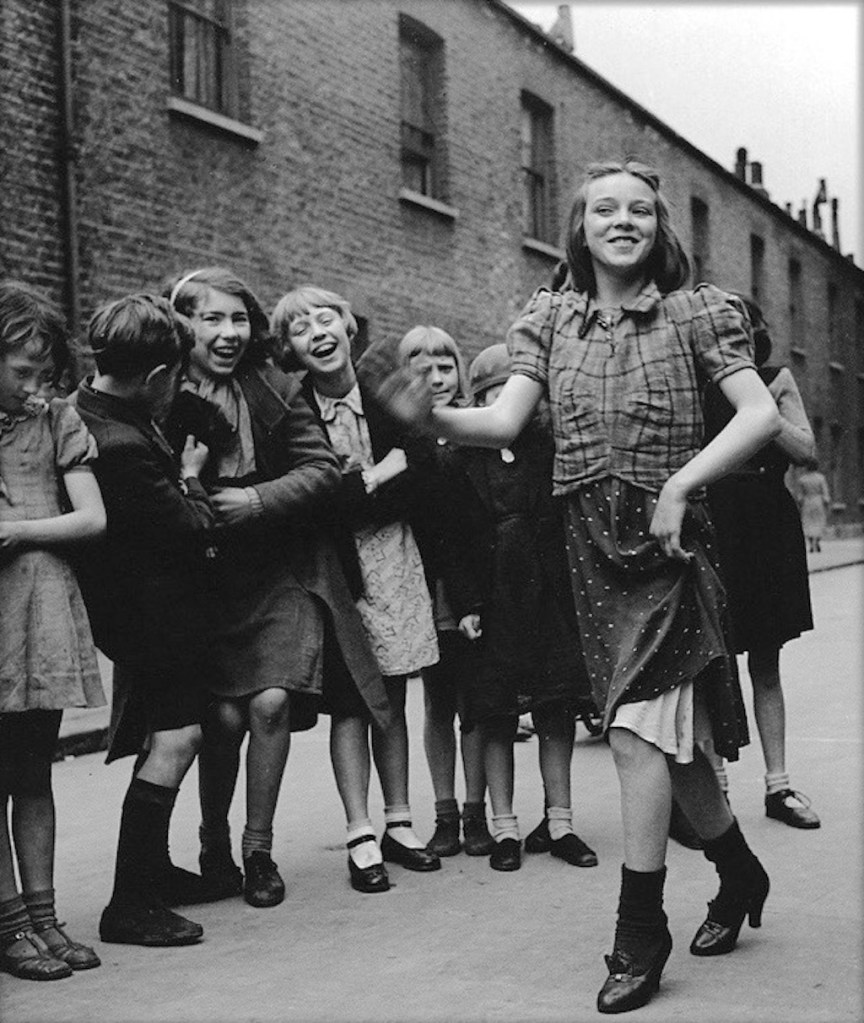
Brandt was considered a pioneer for this genre, renowned for his documentation of the Great Depression and experimental photography of the nude. His images of British society could be seen in Lilliput and Picture Post magazines.

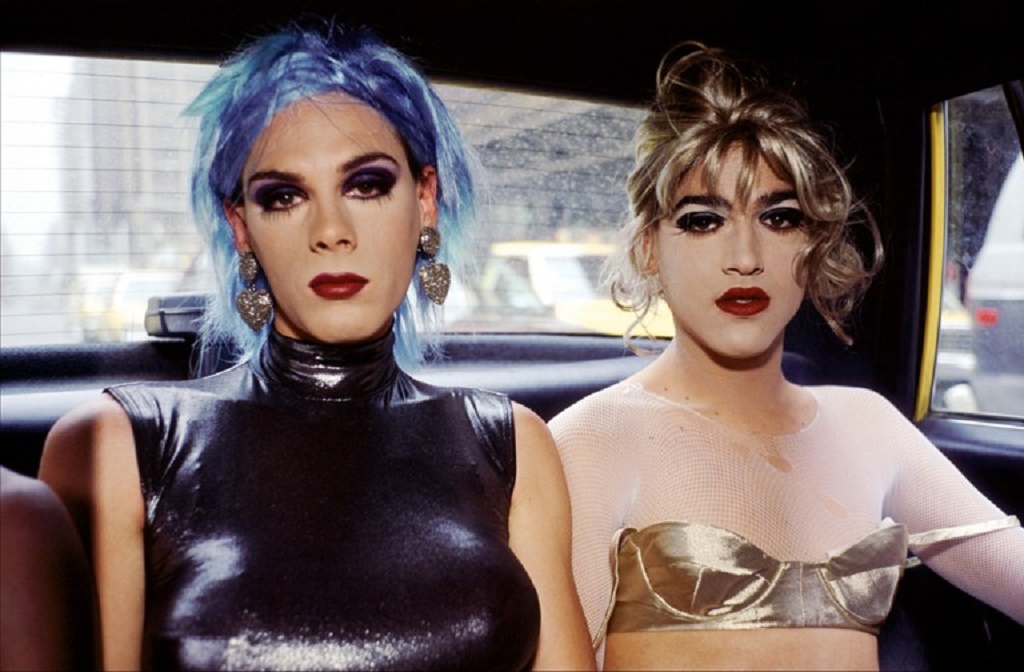
NAN GOLDIN

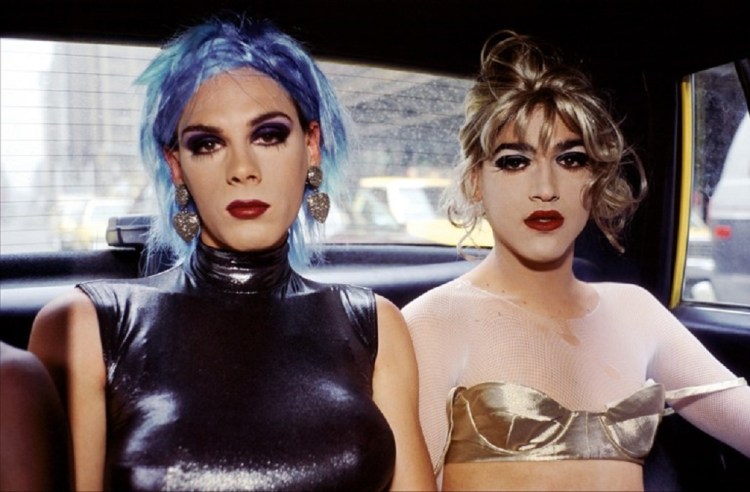
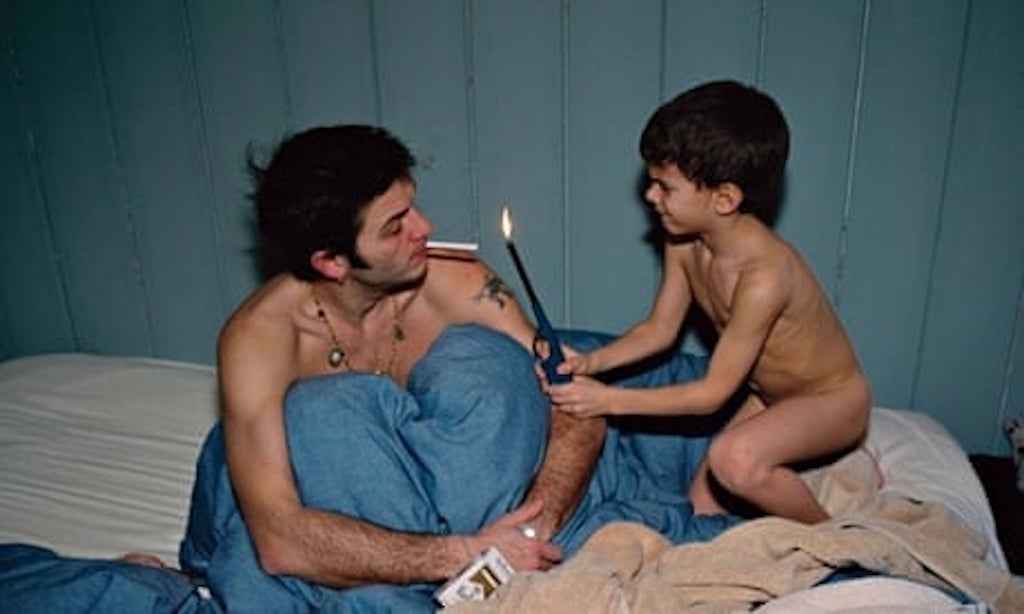
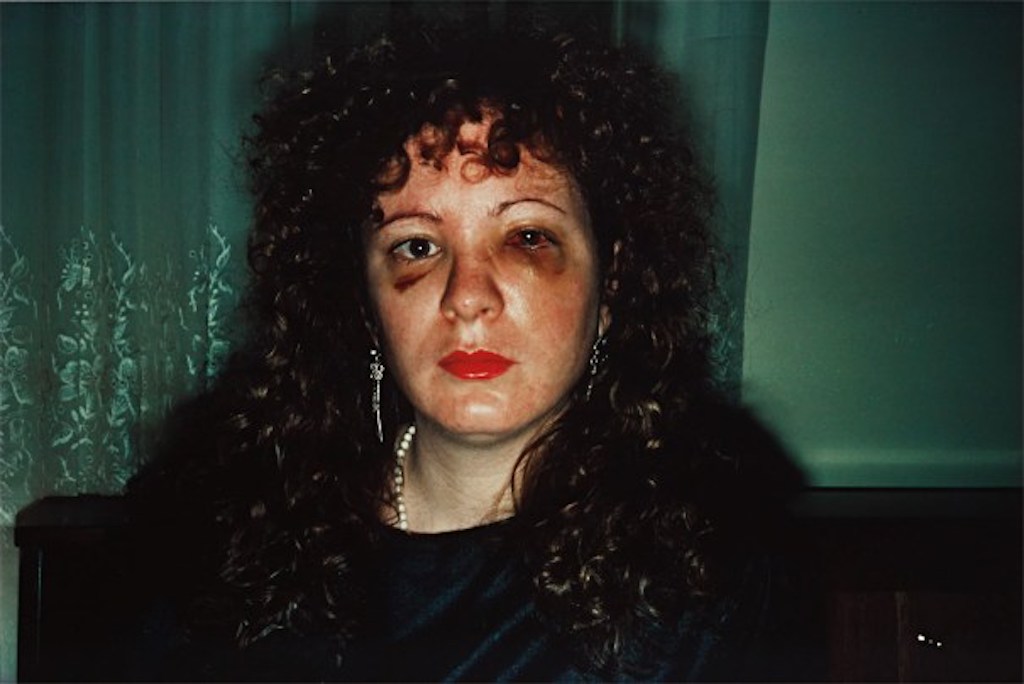
Nan Goldin is an American photographer focusing on topics such as LGBT bodies and the opioid epidemic. Her work can be found in San Francisco museum of modern art and Elgiz Museum. At 18, Goldin fell in love with drag queens and they became the muse of most of her work until she moved onto photograph the post-punk music scene. Typically, her work was presented in slide shows with musical scores alongside and portrayed different aspects of her life including addiction and abuse.

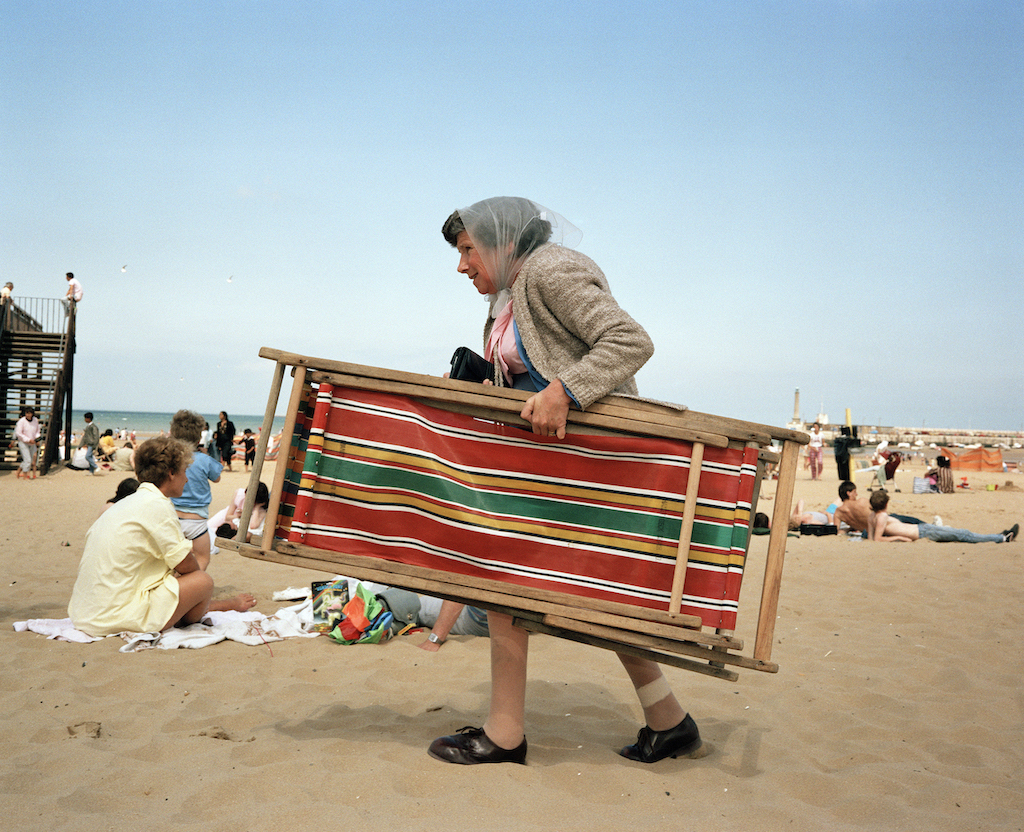
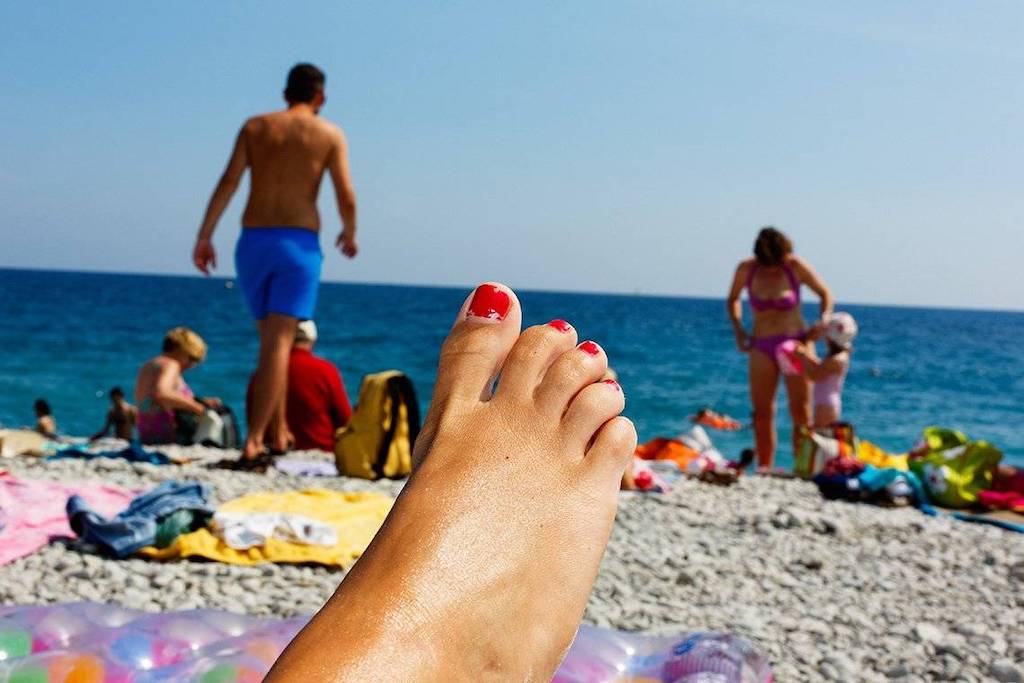
MARTIN PARR

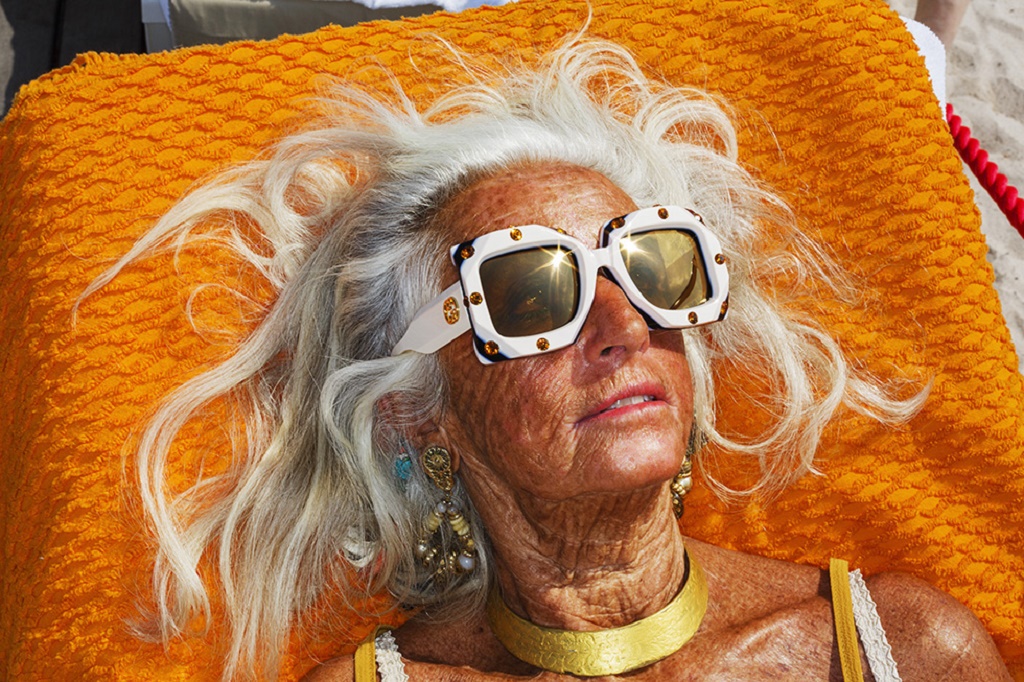
Martin Parr takes a satirical and anthropological take on social documentary, focusing on the wealth of the western world. His mantra is “I take serious photos disguised as entertainment”. Unlike the other two photographers I have looked at, his work is very colourful and playful in order to grab peoples attention. All his work has a deeper meaning, it’s hidden behind a mask and you have to (if you want to) analyse it for that meaning. His known aesthetic is close up, saturated images in order to ‘expose’ them or put them under a microscope.

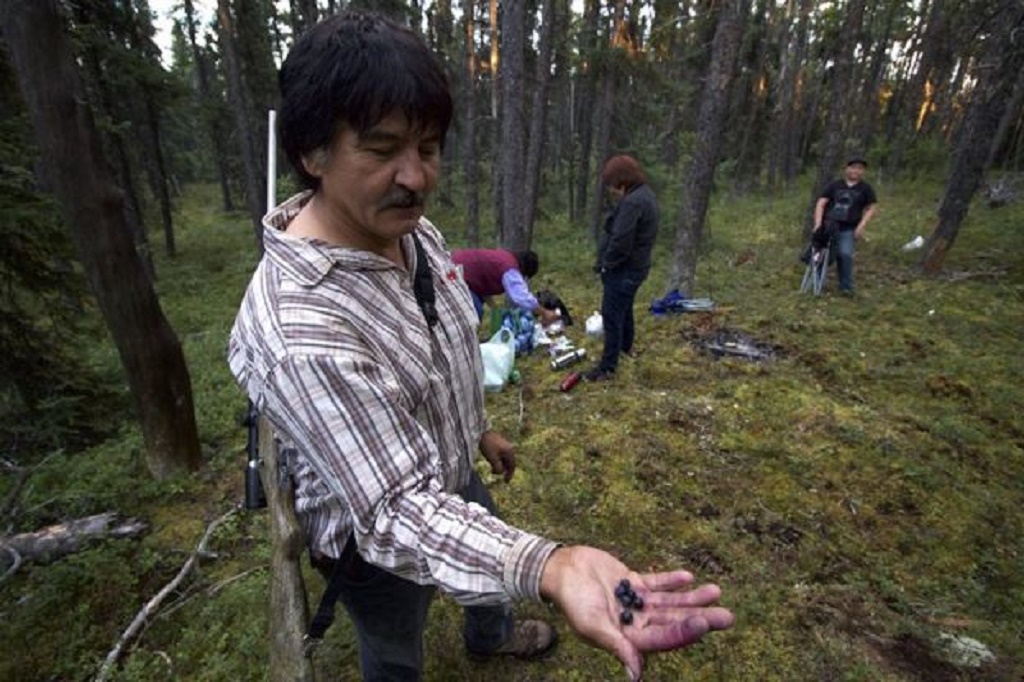
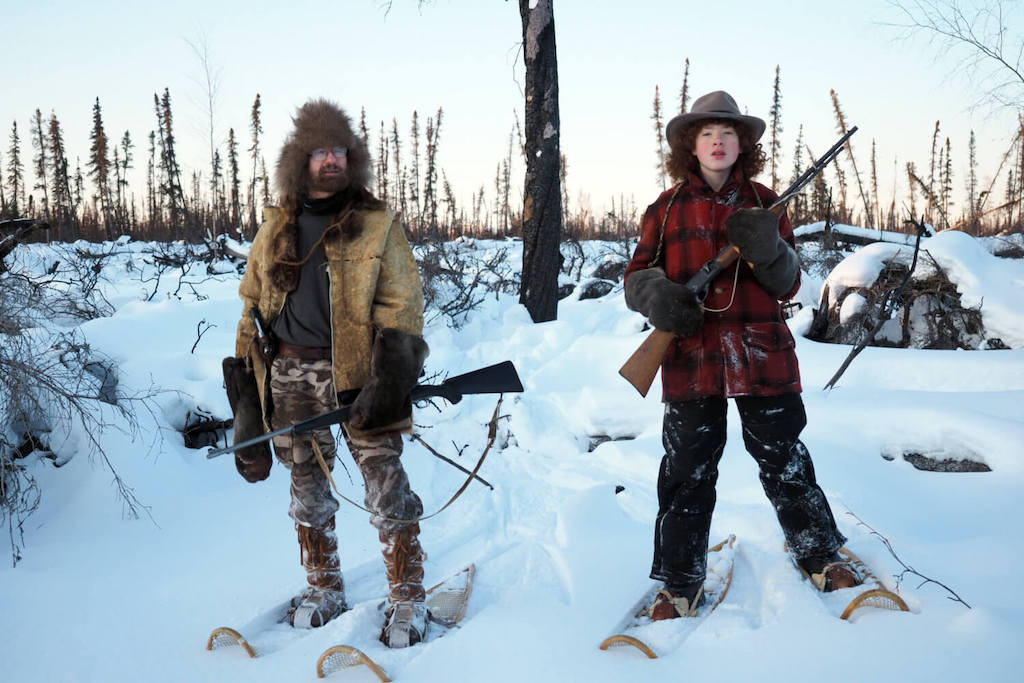
ED GOLD

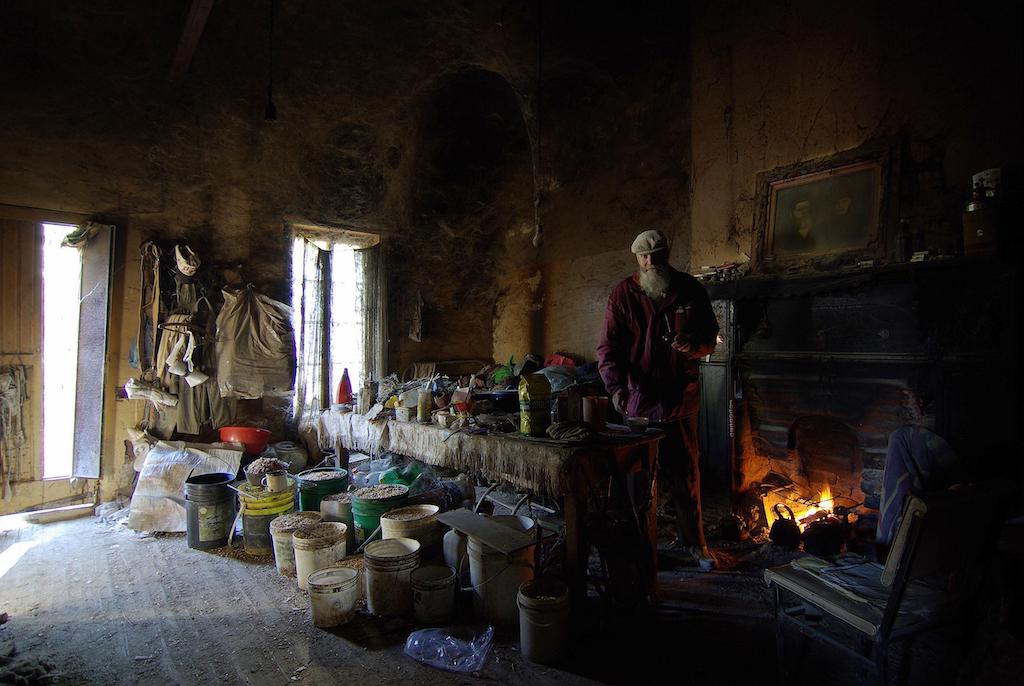
Ed Gold travels to unique and unusual places in order to document the lives of people living off the grid. His work can be found on the BBC with articles to compliment his research and photography. In this picture, Ed Gold visited Prophet River where he has been documenting the First Nation Community of the “Beaver People”. The community is British Columbia in Canada, around 50 miles south of Fort Nelson.
Design a site like this with WordPress.com
Get started