Final Reflection

Despite the unprecedented circumstances, my photojournalism project has been submitted. It has been an eye-opening and challenging experience, with a lot of unexpected obstacles along the way.

Although I am disappointed that I was unable to complete my original pitch idea, the photo essay that I have produced is something which is an important topic at this time in our lives. Although a serious matter, it spreads positivity when the current news is so heartbreaking.

Im over-joyed with the outcome of my photos, considering the lockdown circumstances. I have managed to portray a clear message through the images, which demonstrates true emotions of those on the covid-19 frontline. One thing I would change, was my ability to photo more real people. I would have loved to photograph a pregnant woman for the midwife segment, however lockdown circumstances made this not possible.

In regards to the article itself, after a lot of rewriting and restructuring, I finally created an article that I am immensely happy with. I never had a plan to put the article into three separate stories, but as I started writing it happened naturally and it made more sense to do it this way. It makes the article more interesting, and breaks it up for the readers, as 2000 words can be a lot in one chunk. Doing this further helped with the InDesign layout, as it was obvious to do a double spread for each story.

Gathering interviews was a lot harder due to the circumstance, and I had to use my initiative. A lot of the time it involved going to people that I already knew, that fit the roles I had in mind. I interviewed more than the three people, so had to narrow it down to the three which gave the best interviews and made the best stories.

Overall, I am confident with my final project and couldn’t be prouder of the work I produced, even though it wasn’t my original plan.
Final Magazine Design

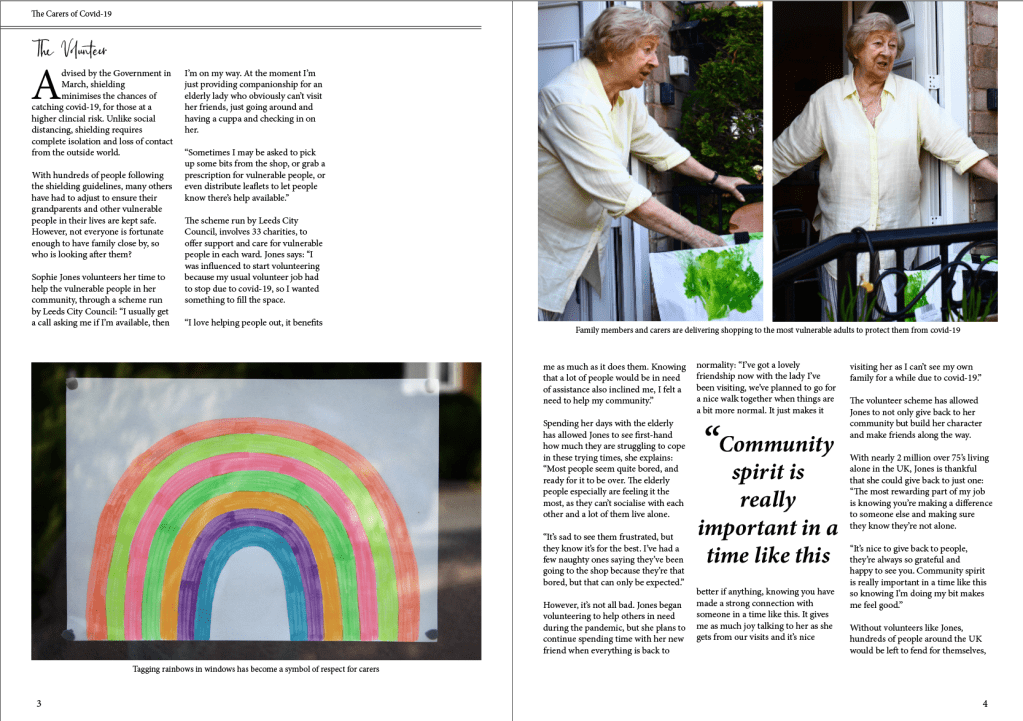
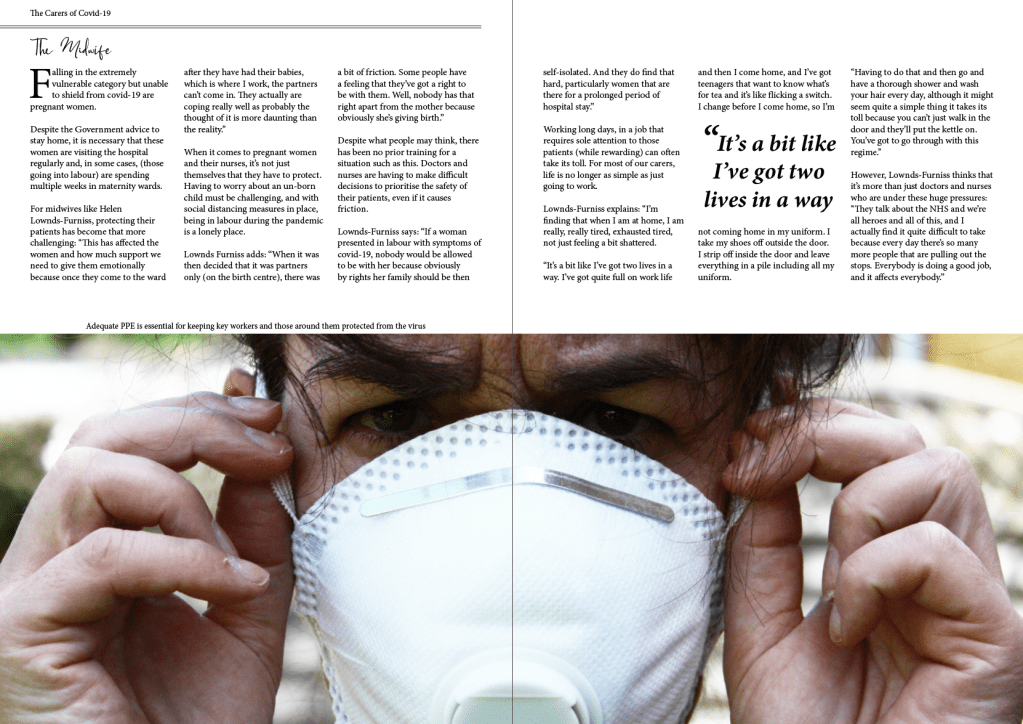
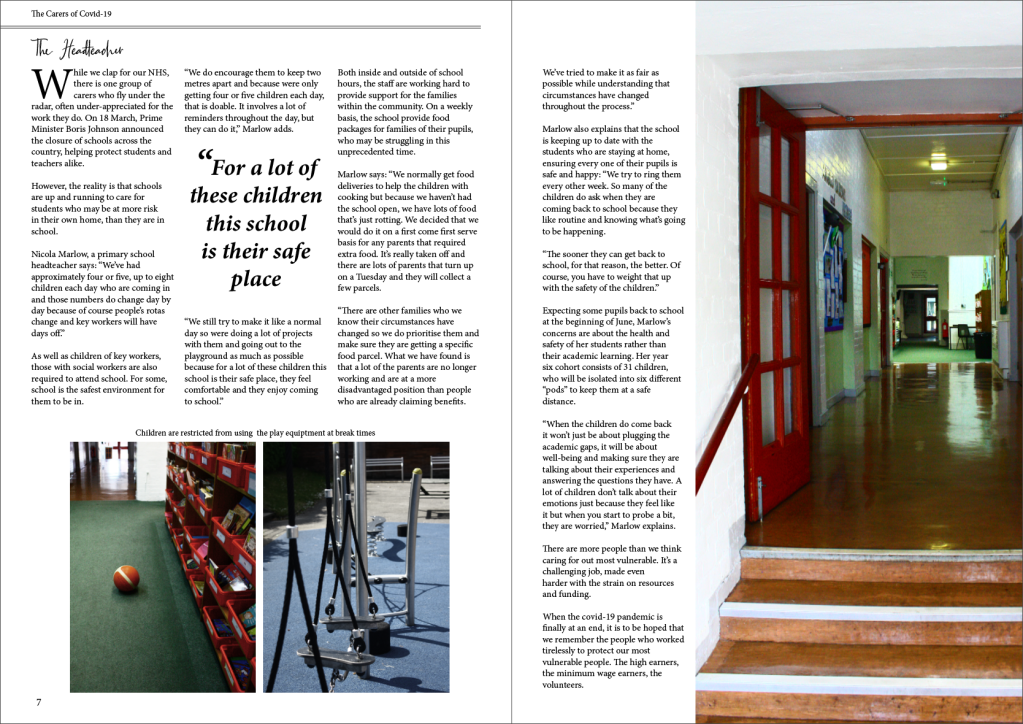
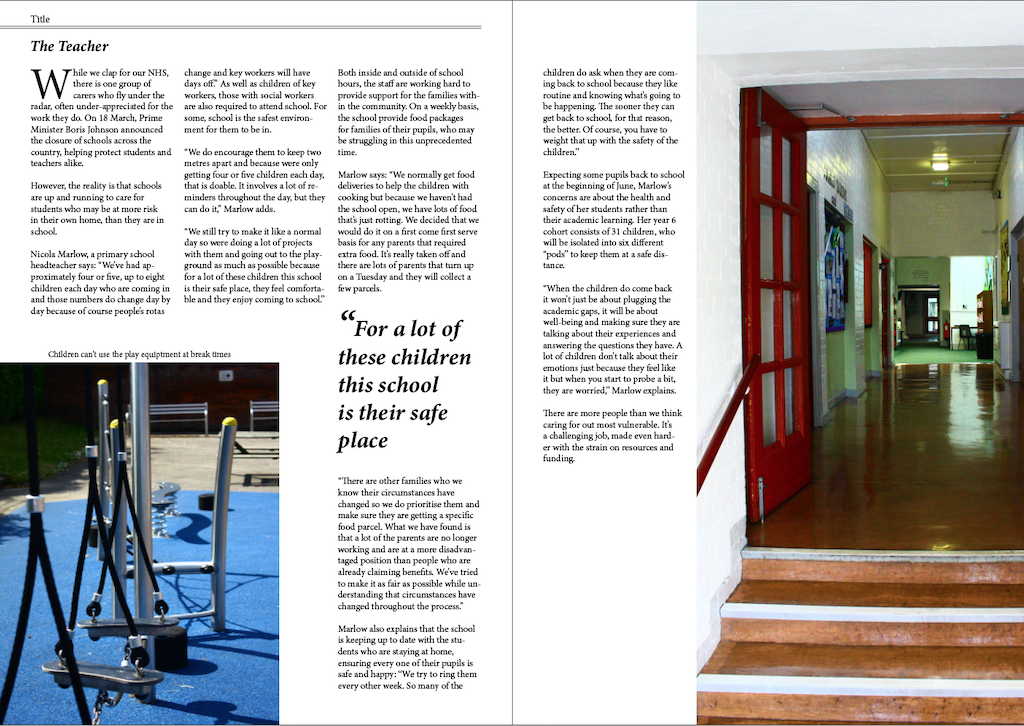
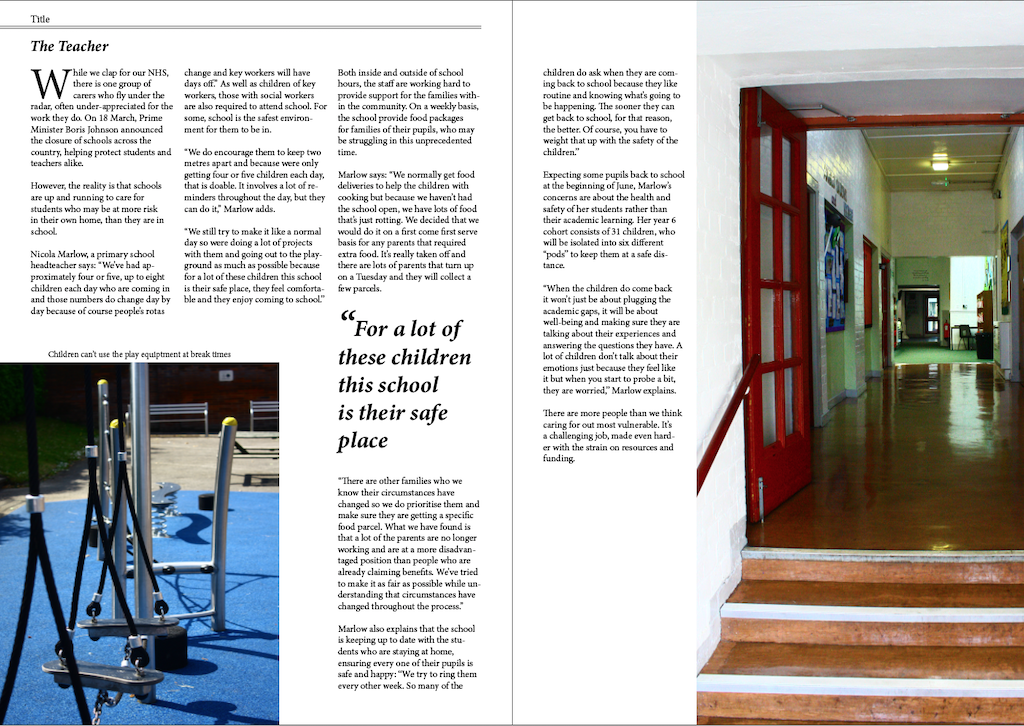
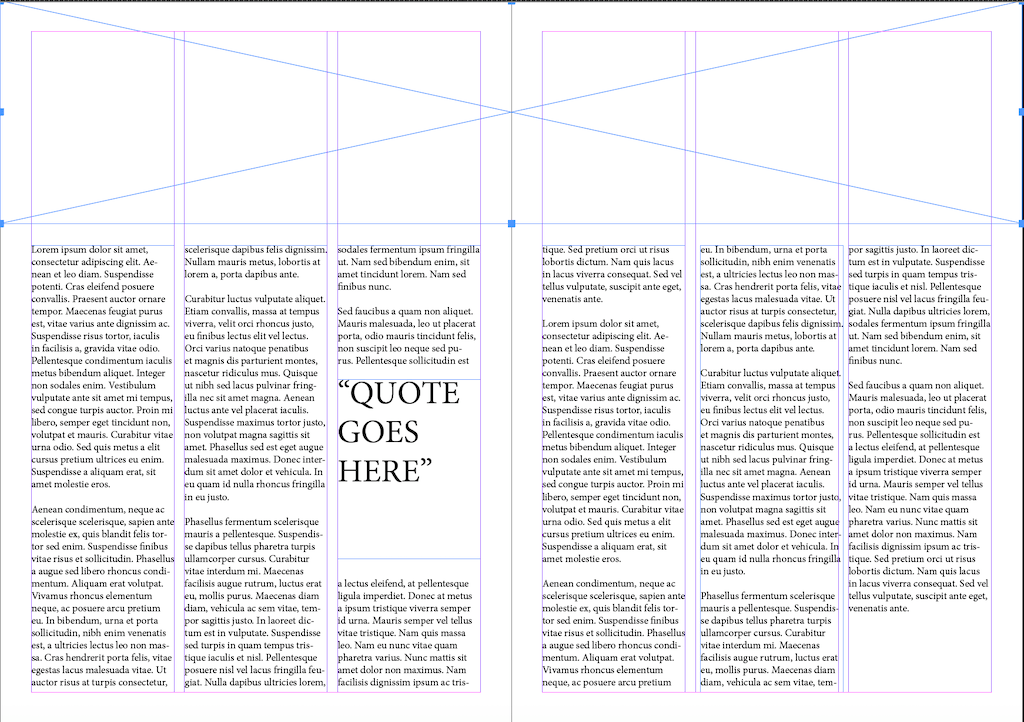
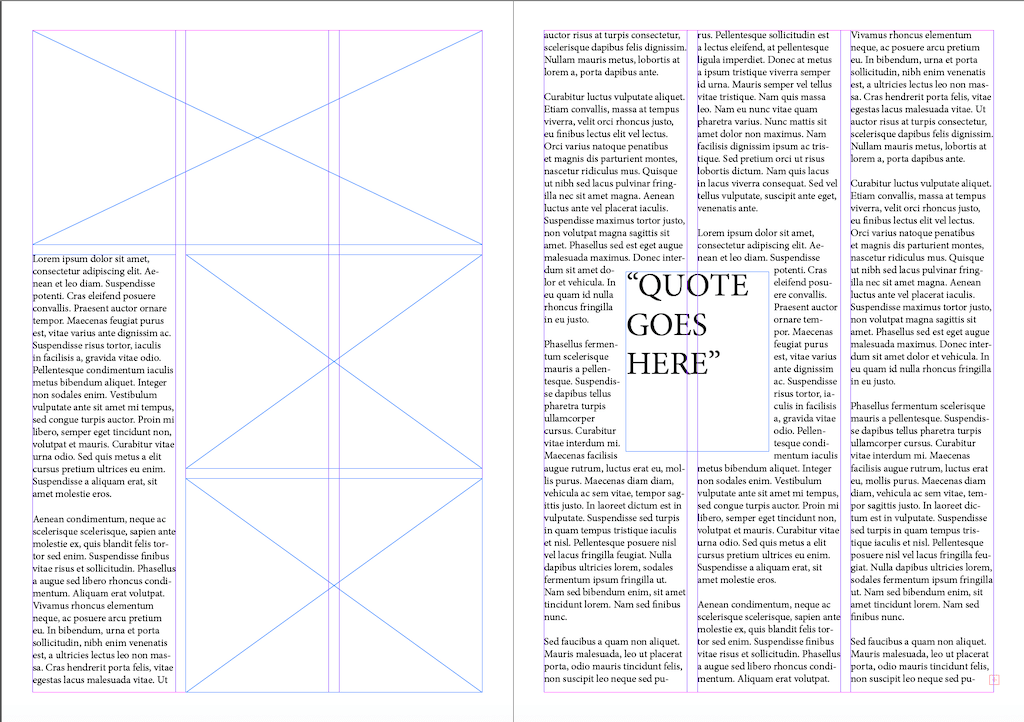
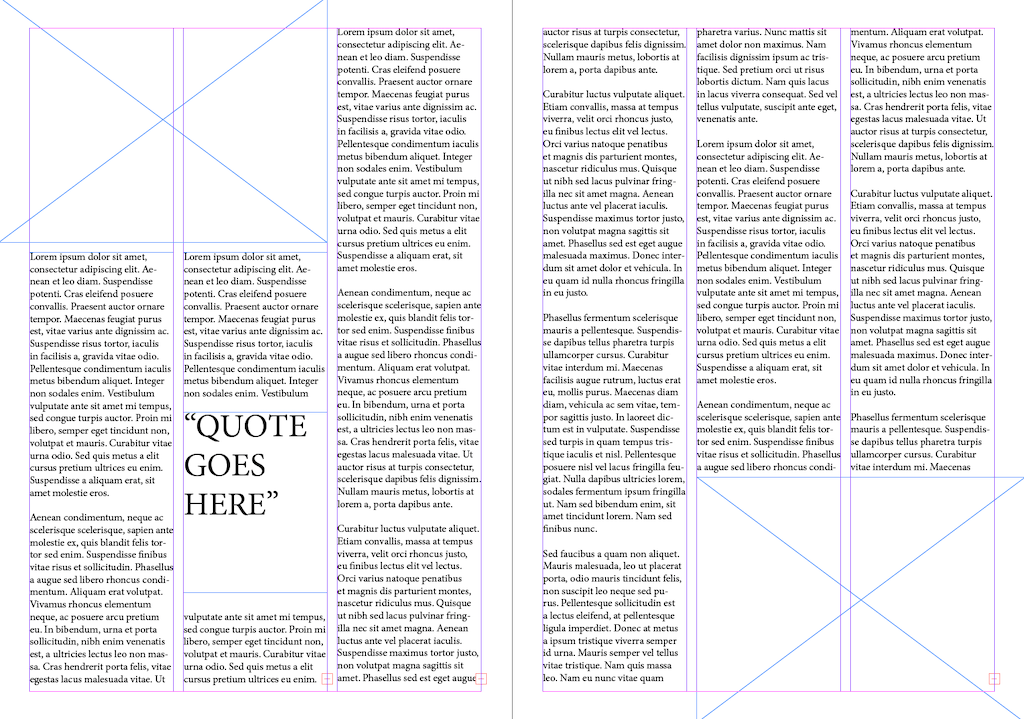
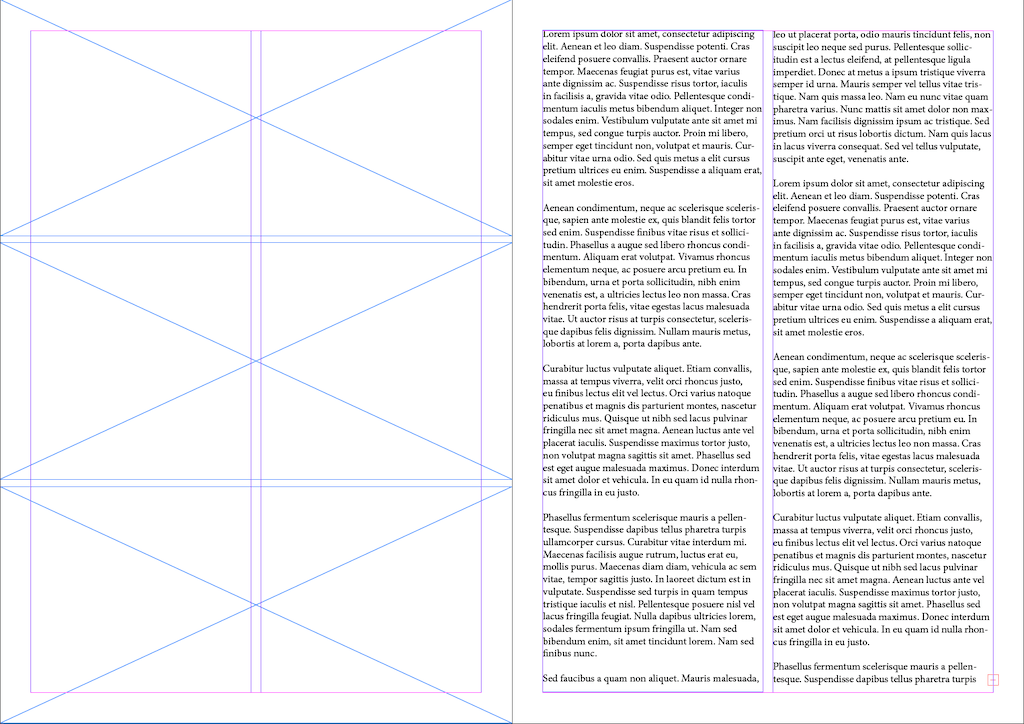
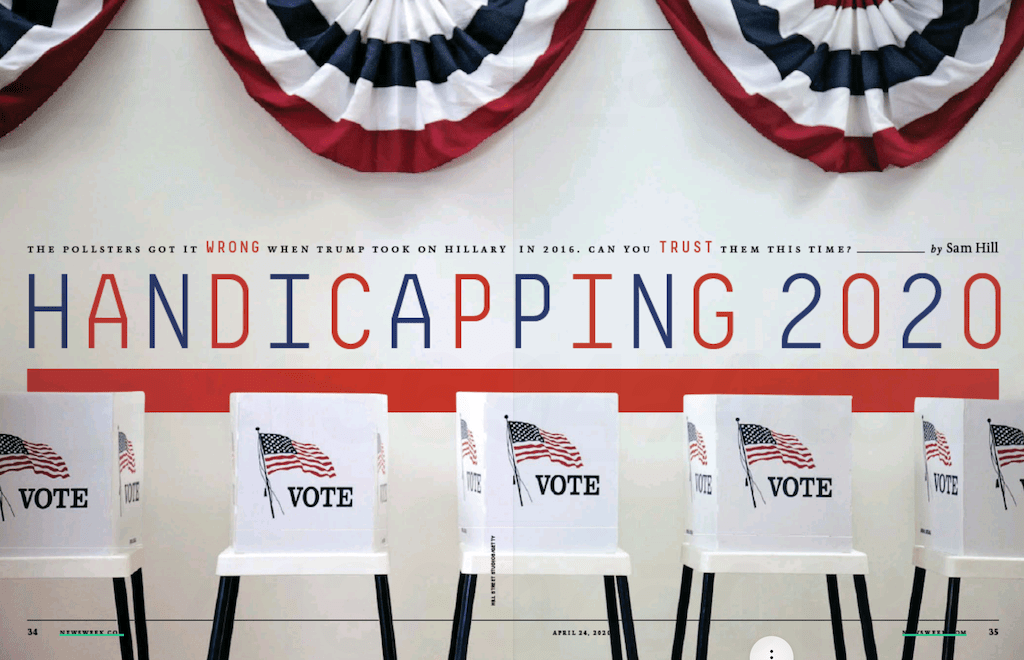
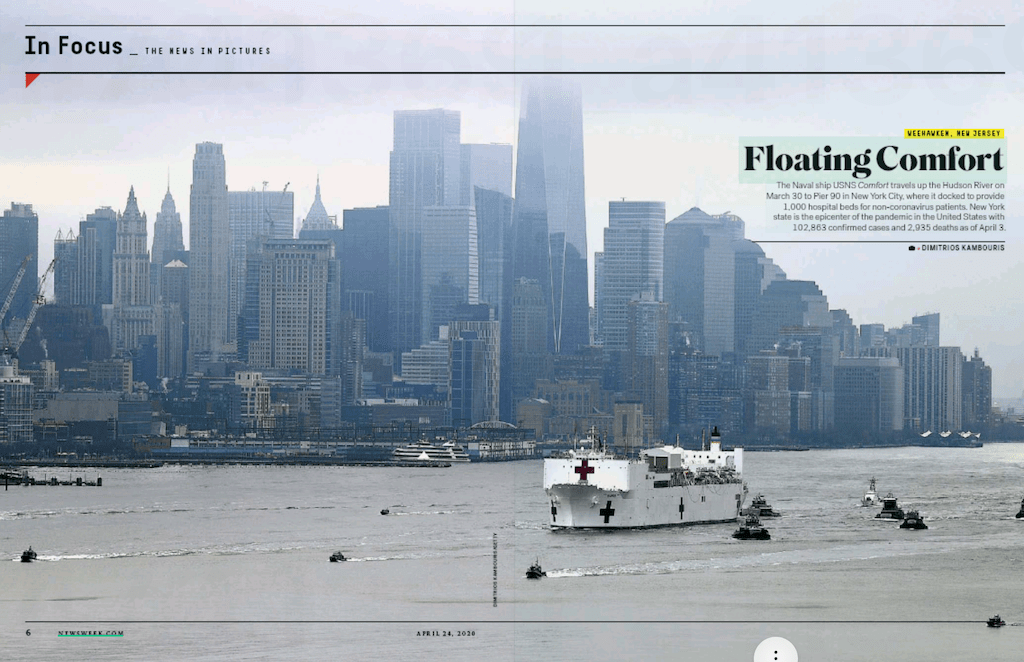
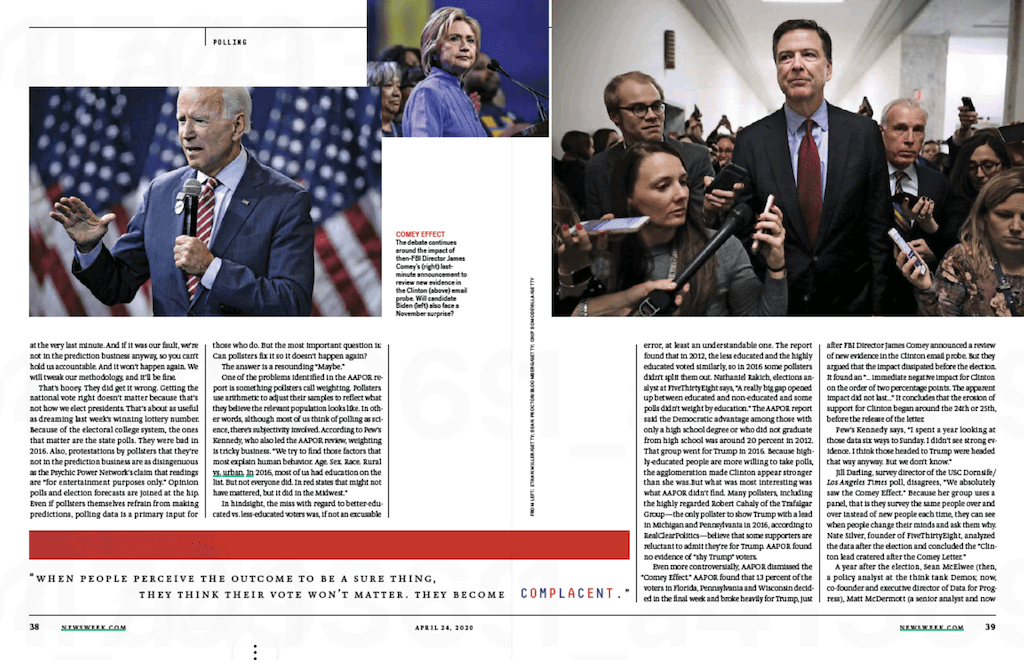
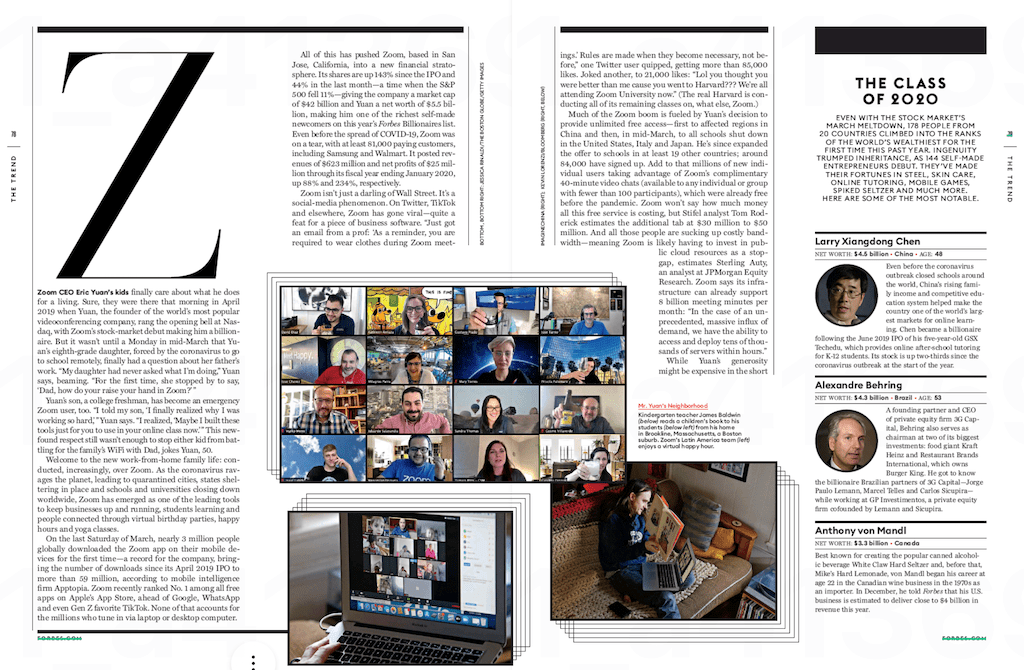
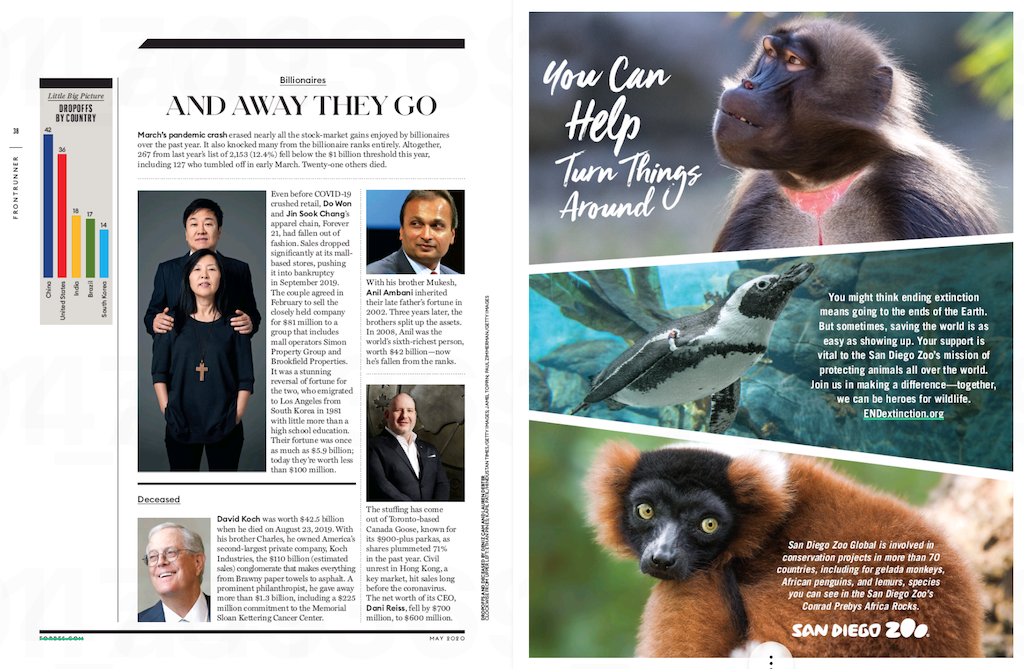
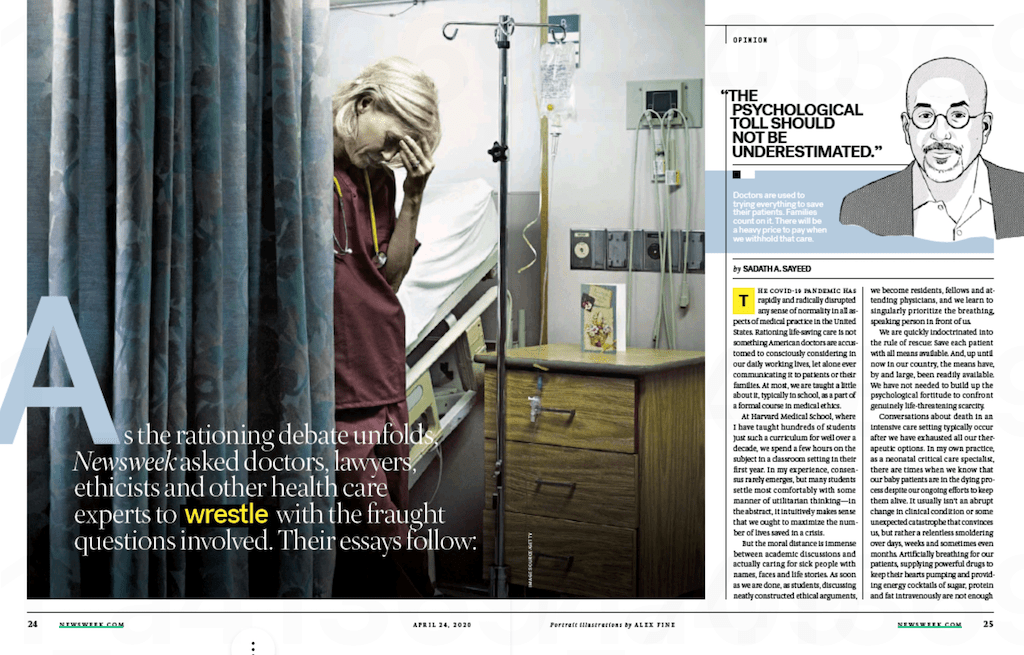
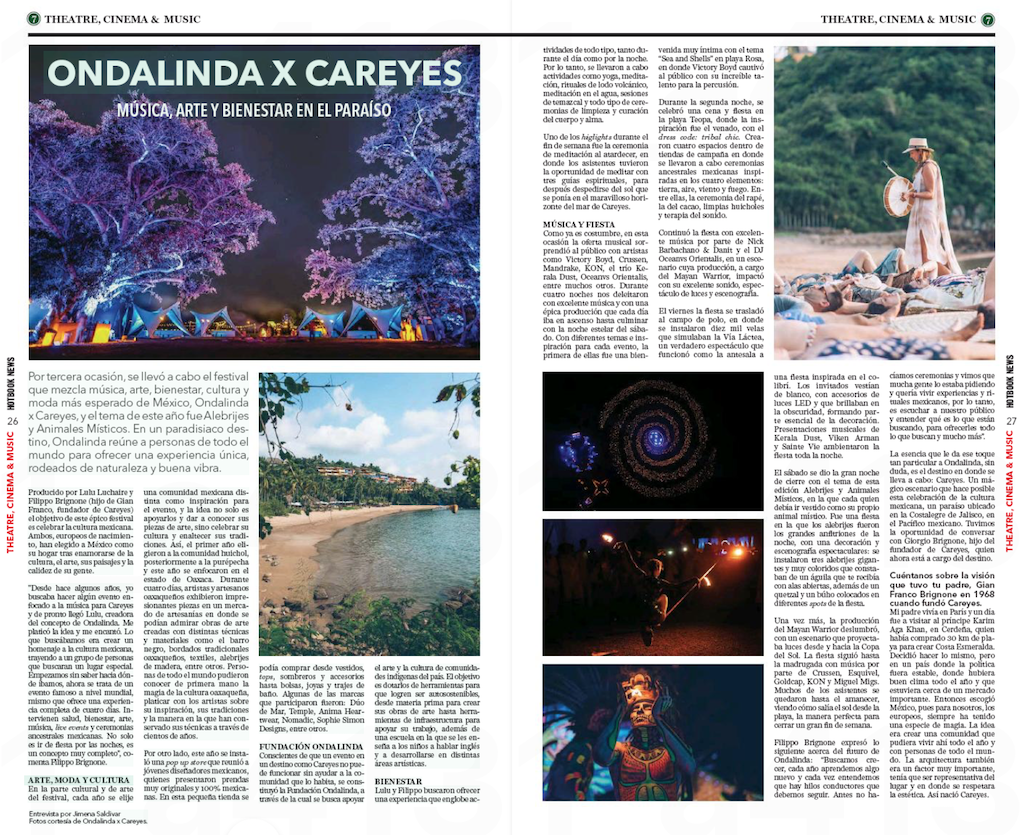
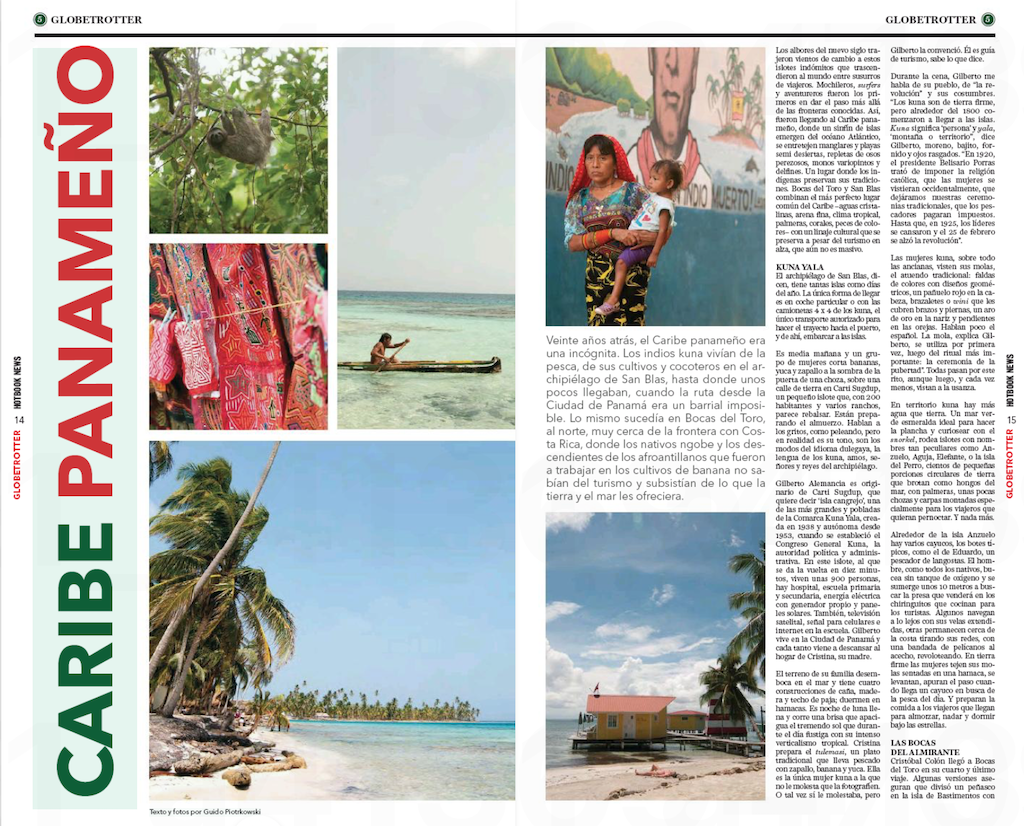
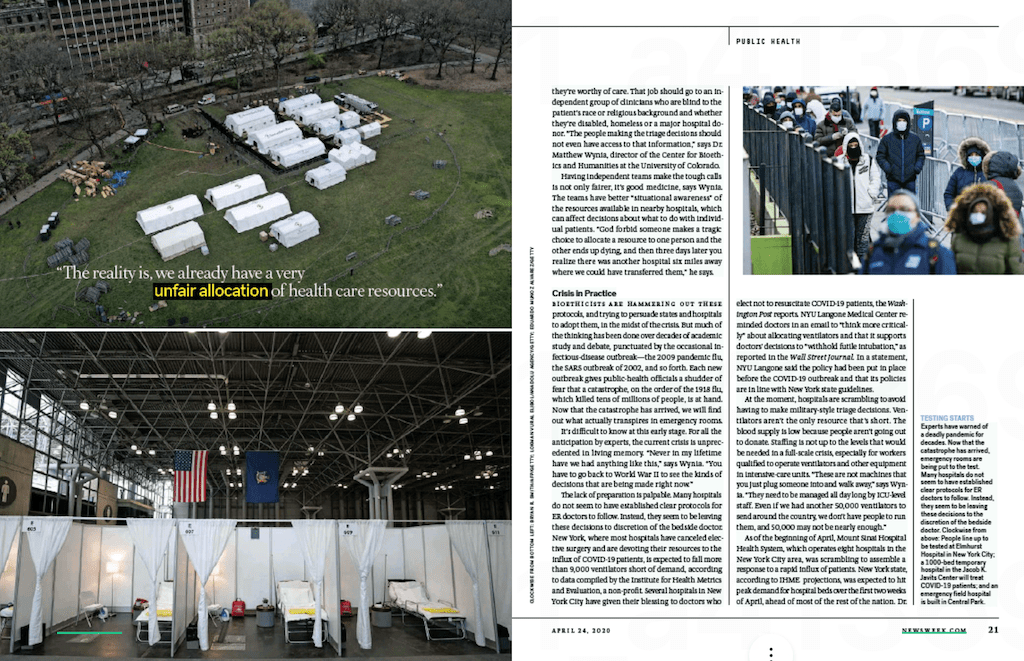
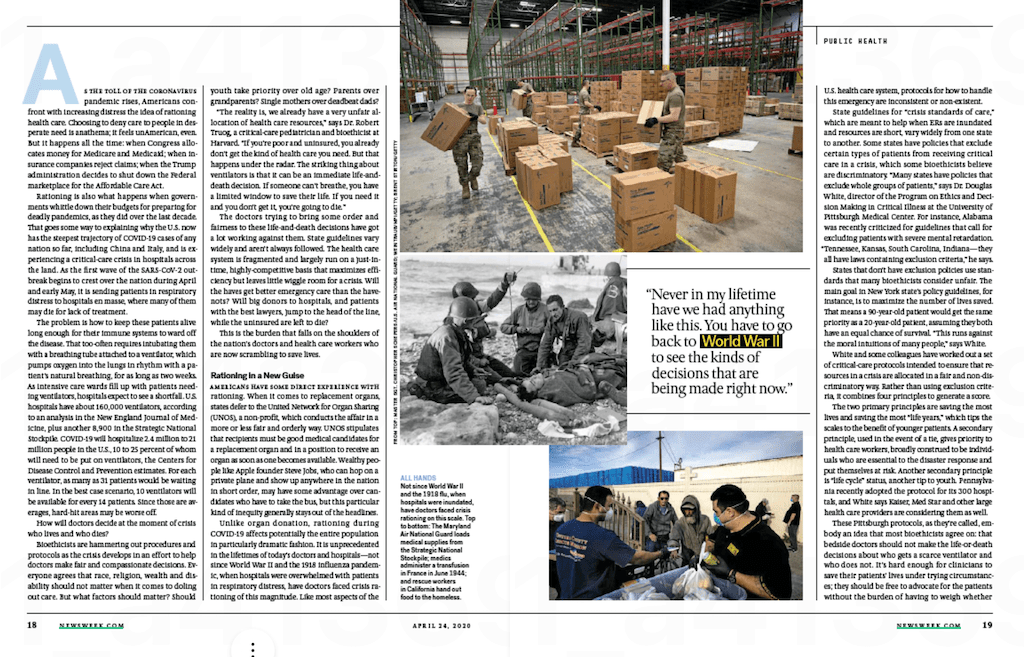
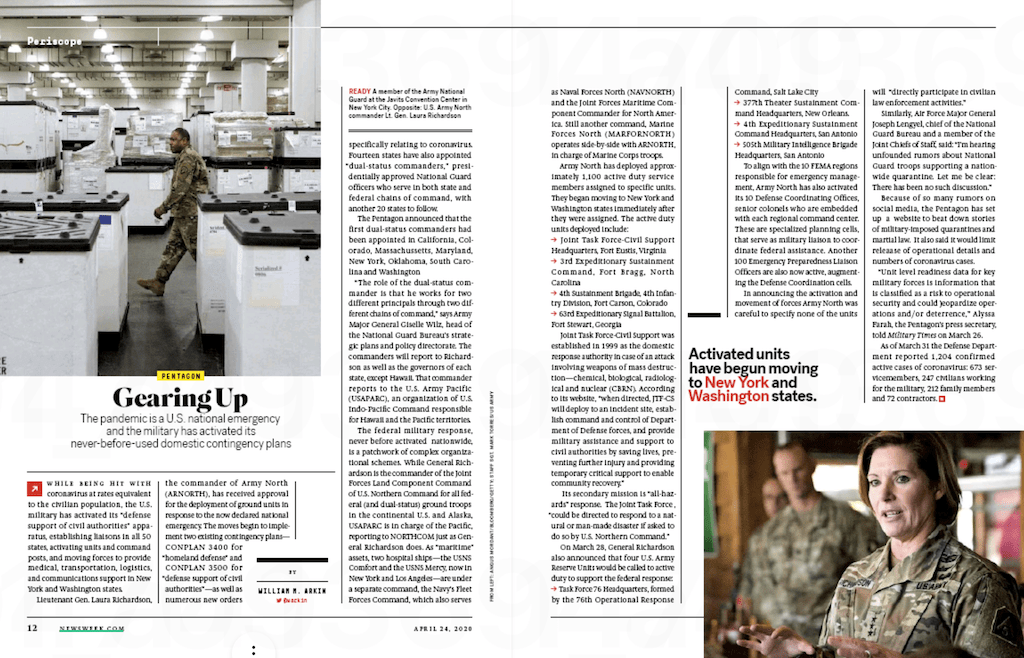
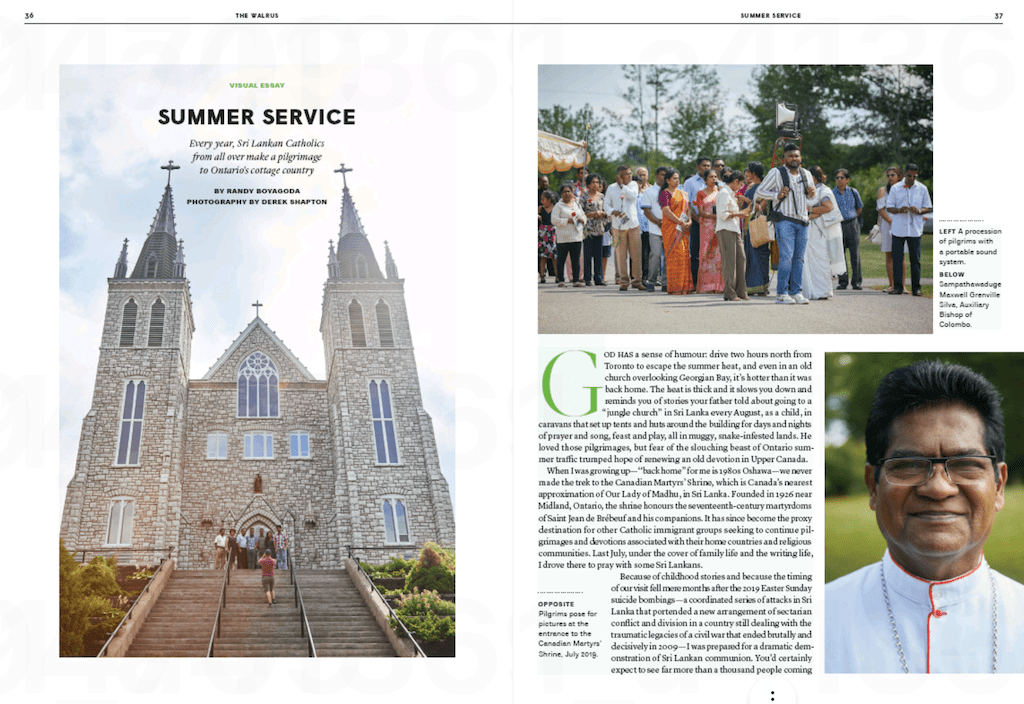
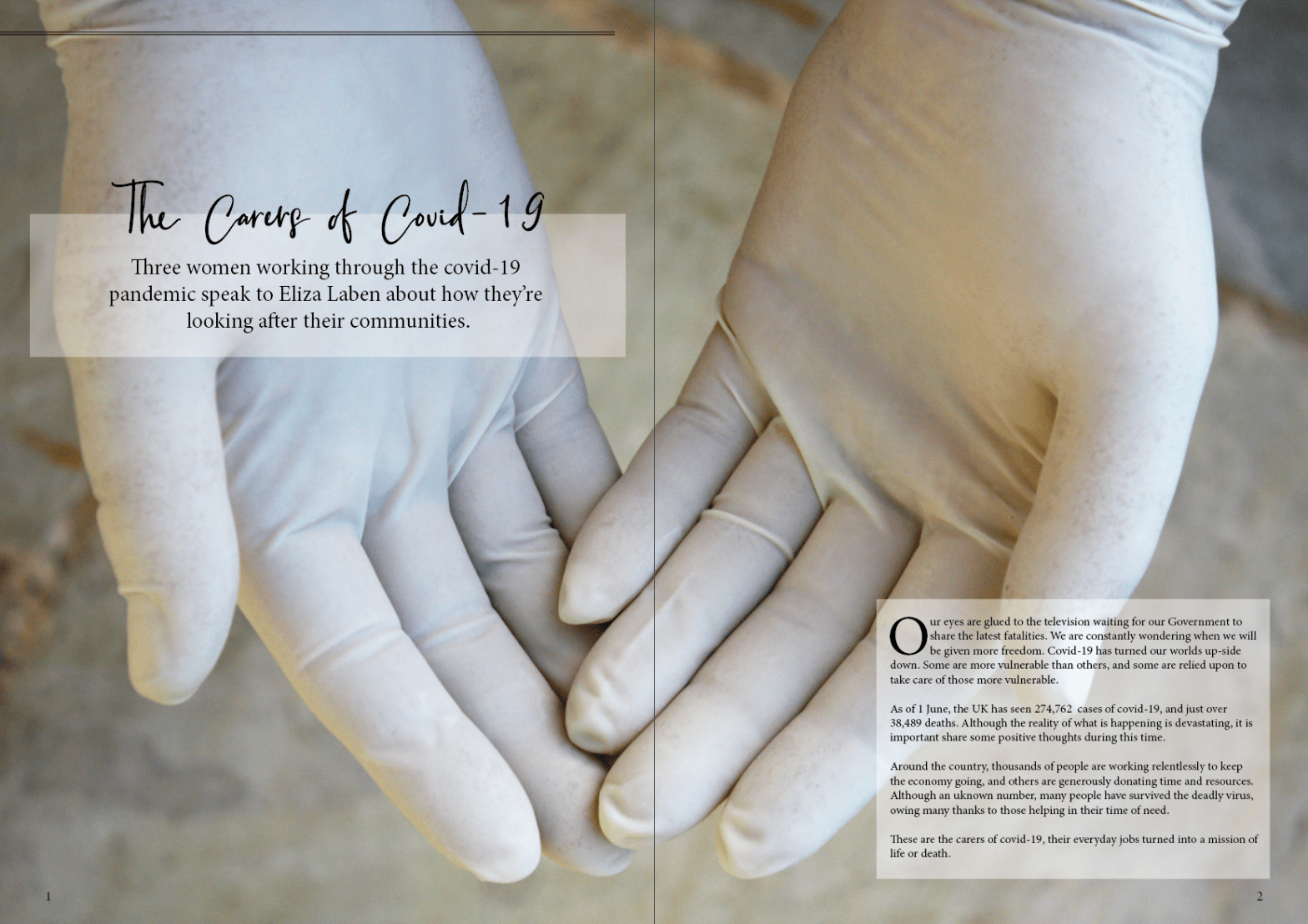
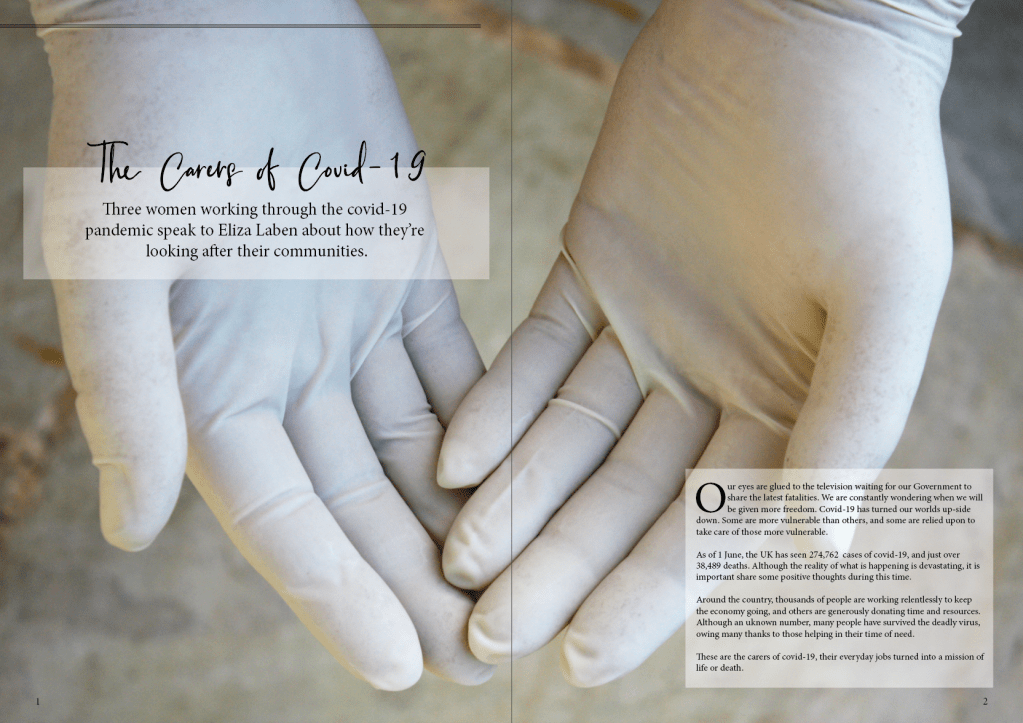
The images below are the final edits of my magazine layout.

I made changes to title fonts and altered some of the images, changing the positions and tones. I also added another image to the final page as it felt as though something was missing.

I wanted to keep the style of the whole piece very simple and minimalistic, focusing on the images and the importance of the article. This is especially noticeable in the cover page which was kept as one picture which flushes the whole spread.

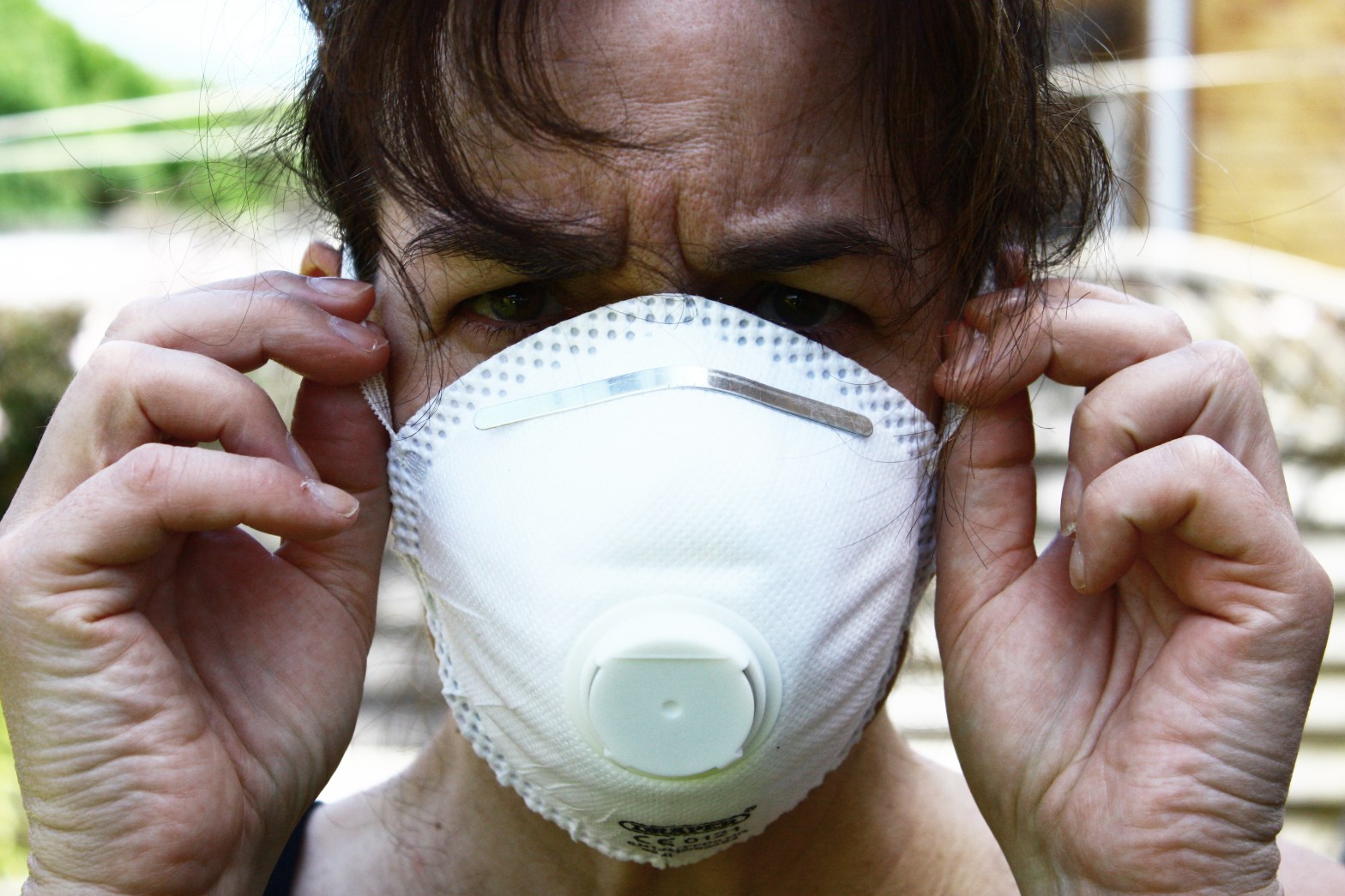
On the third spread I only used one picture because it is such an emotional picture and works perfectly in that layout. Adding anything else would have taken away from the effect.

Photo Editing

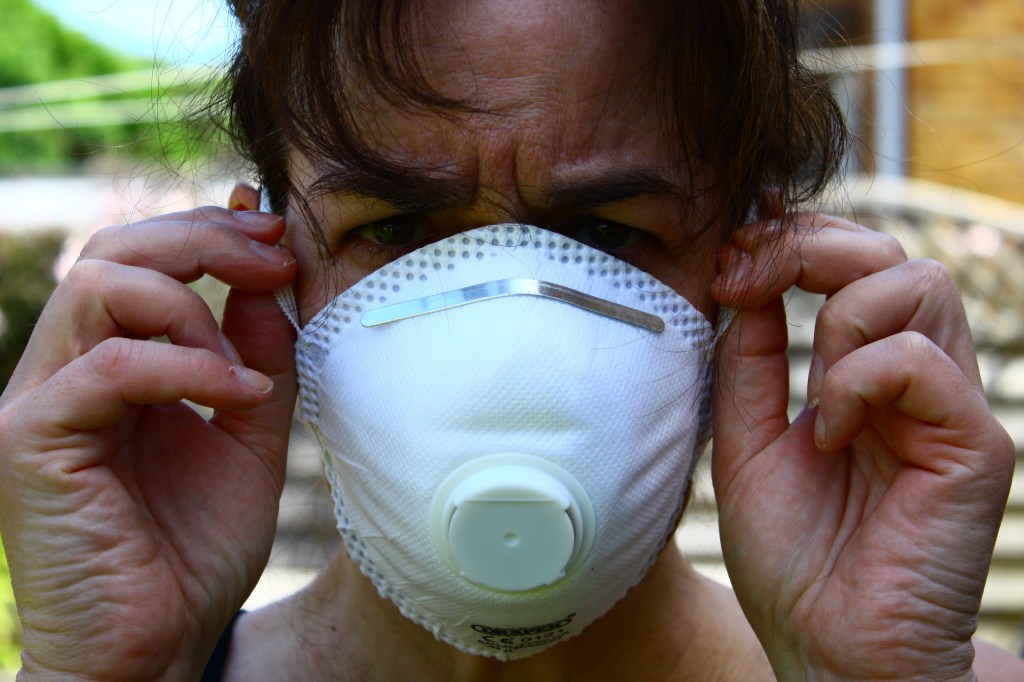
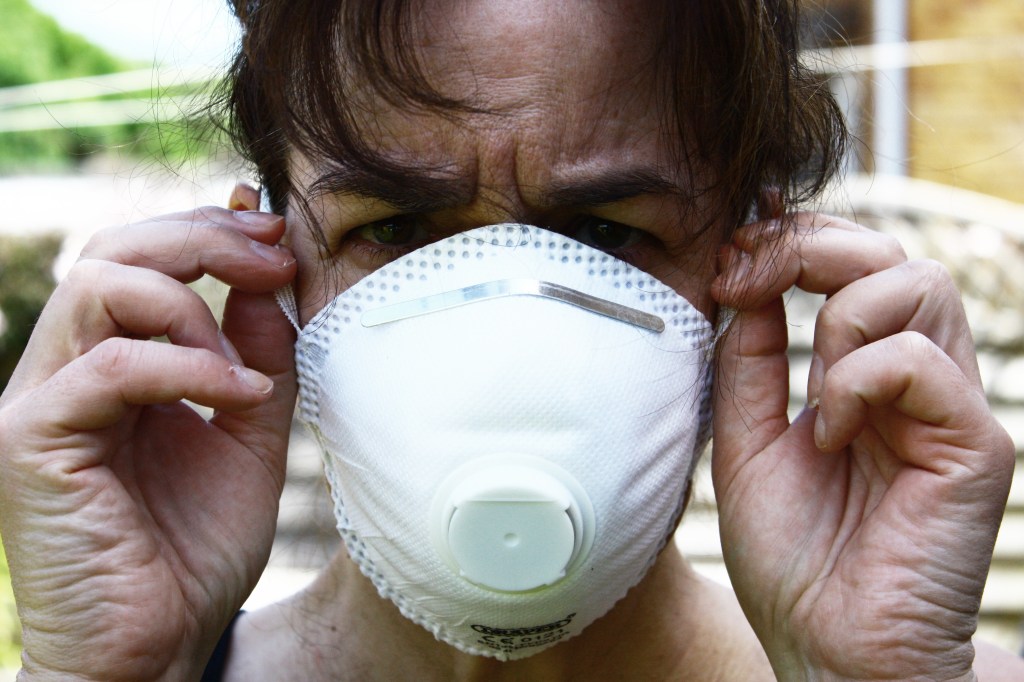
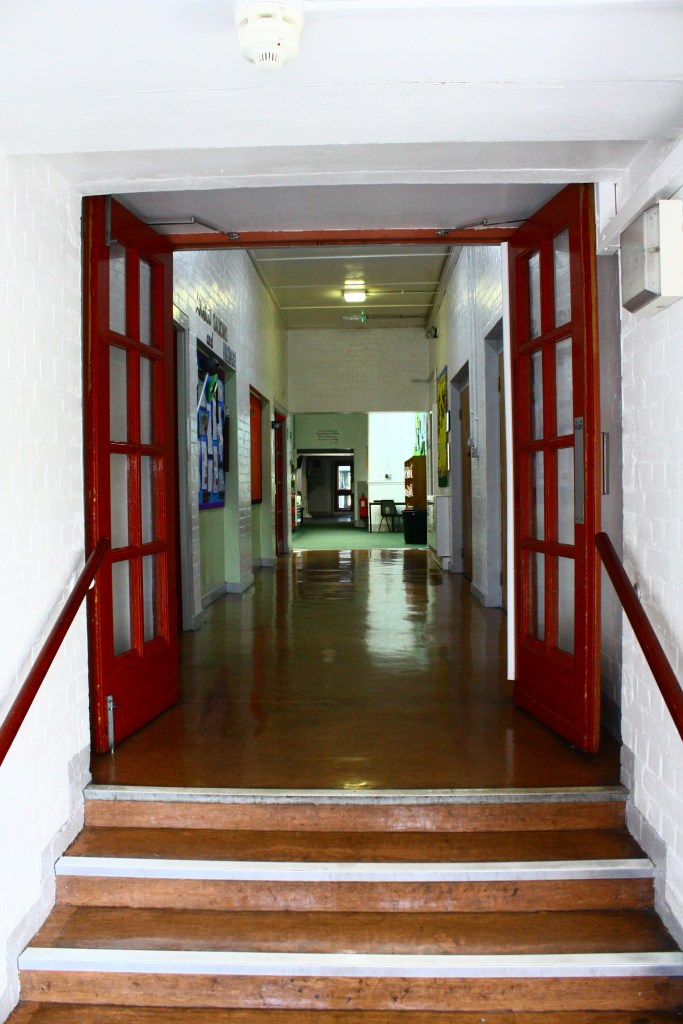
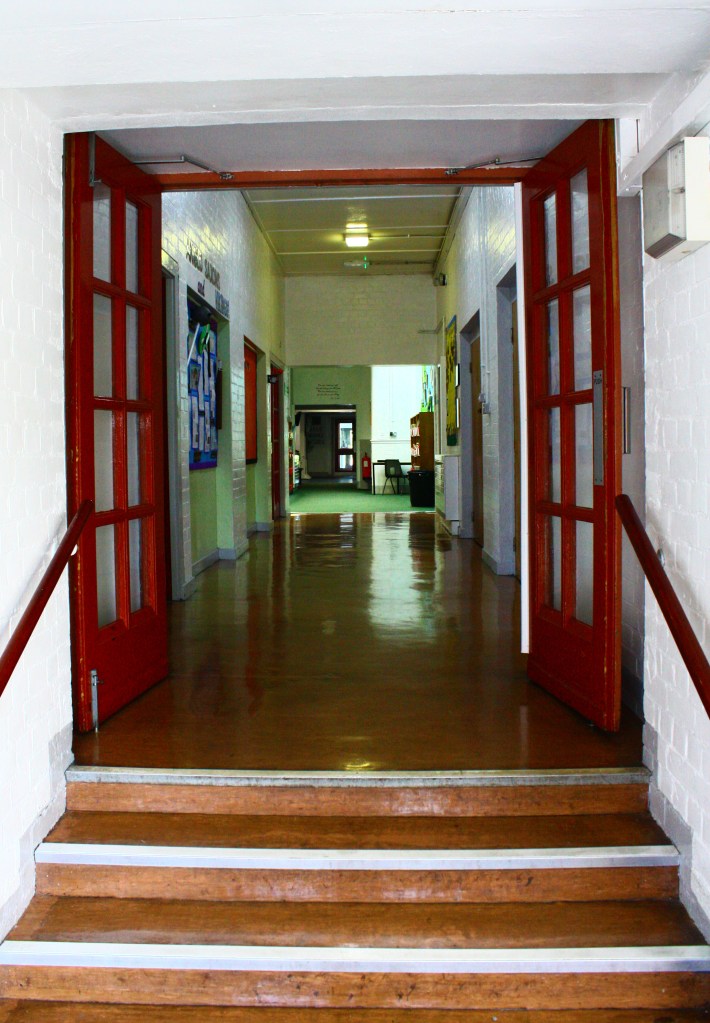
When selecting my photographs I uploaded them all into photoshop so that I could see them on a large scale. From there I could already narrow it down, as some were clearly not right for the finished piece.

I then started to play around with editing. Mostly I changed the brightness and hue of the images. I found that lowering the hue on the best images, gave them all a similar look which fit the theme of the piece. I tried to avoid bright colours, as the piece is quite serious and I wanted the images to resemble that.

The images below demonstrate before and after photoshop.

Magazine Design

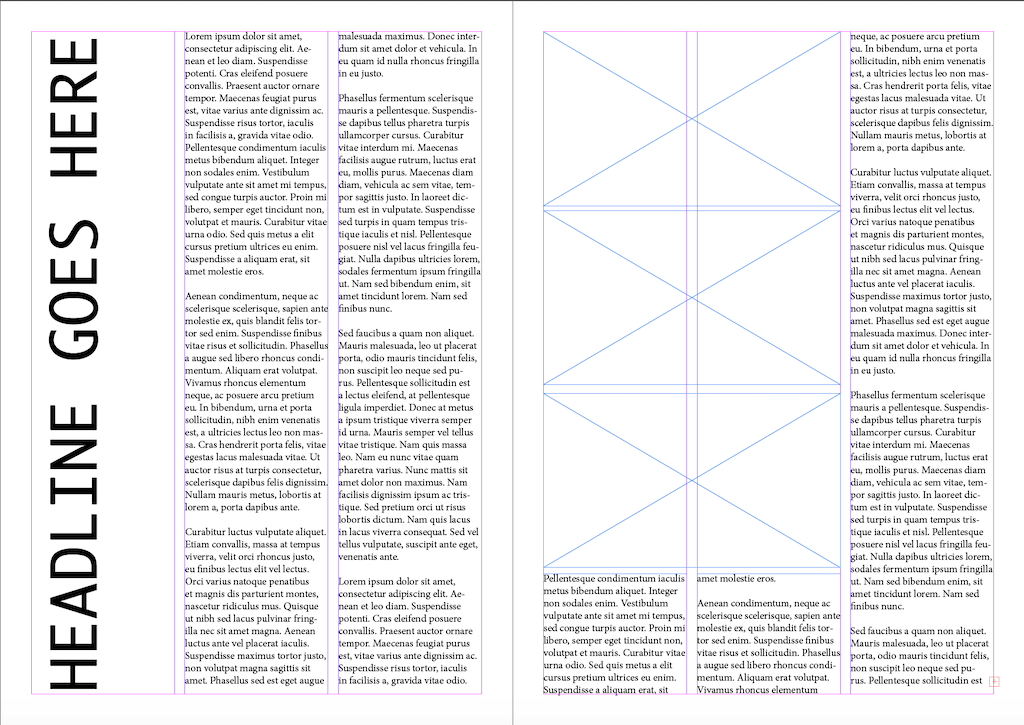
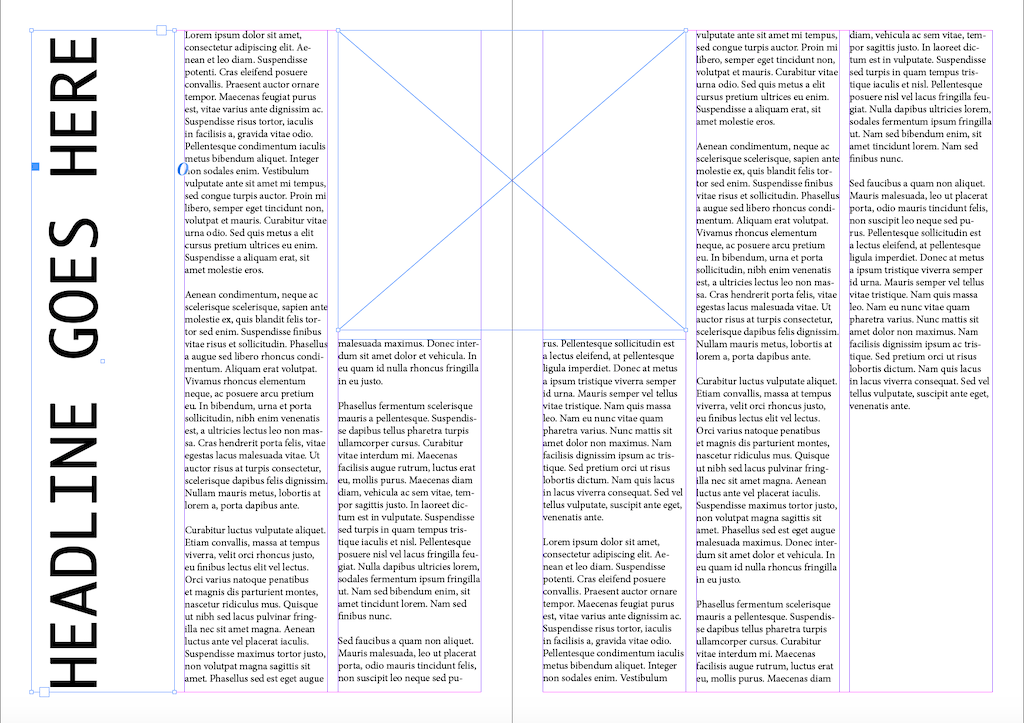
While gathering interviews and beginning to structure my project, I decided to turn the article into one that falls under three sub headings. It will look at the voices of three different people, from different industries that care for vulnerable people. One will be from a care home nurse or care volunteer, one is from a midwife and the other from a teacher. Each subheading will be a mini article about those people and their roles during the pandemic. Each subheading will cover a double spread with accompanying pictures.

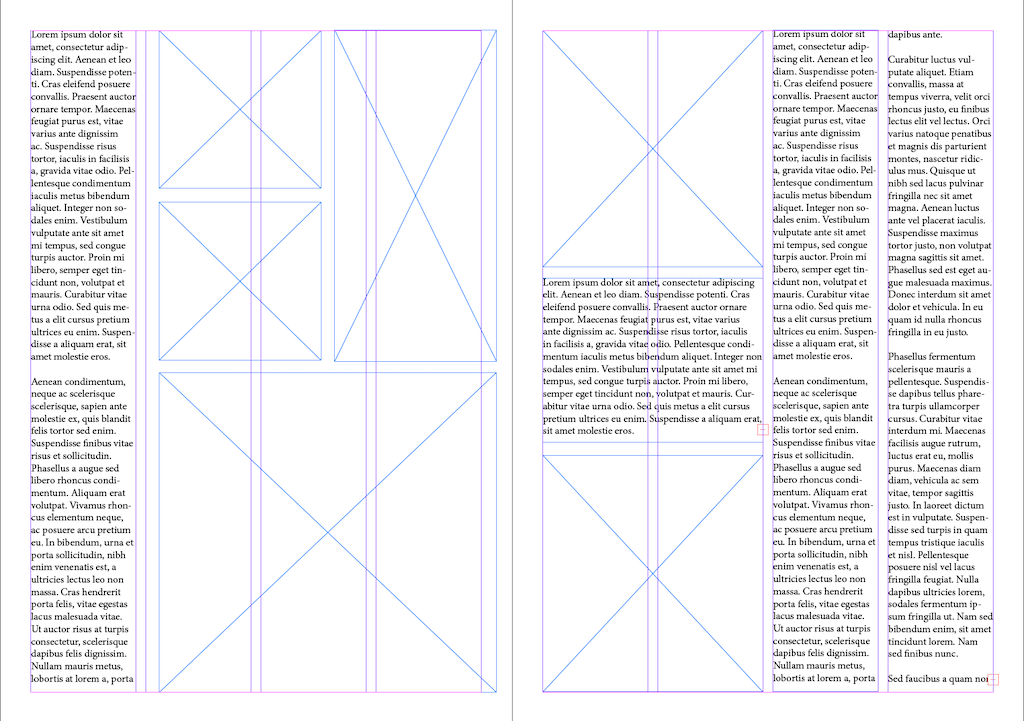
The screenshot below is from a page I have started designing for the teacher. With the article taking on quite a serious topic, I wanted to keep the design of the spread minimalistic and making the images the main feature of the page.

For the first double spread, there will be a large title page and the introductory paragraphs. I aim to gather images of a variety of rainbows that can be seen around the streets where I live, and make a collage of these photographs for the title page.

Project Research: Photography

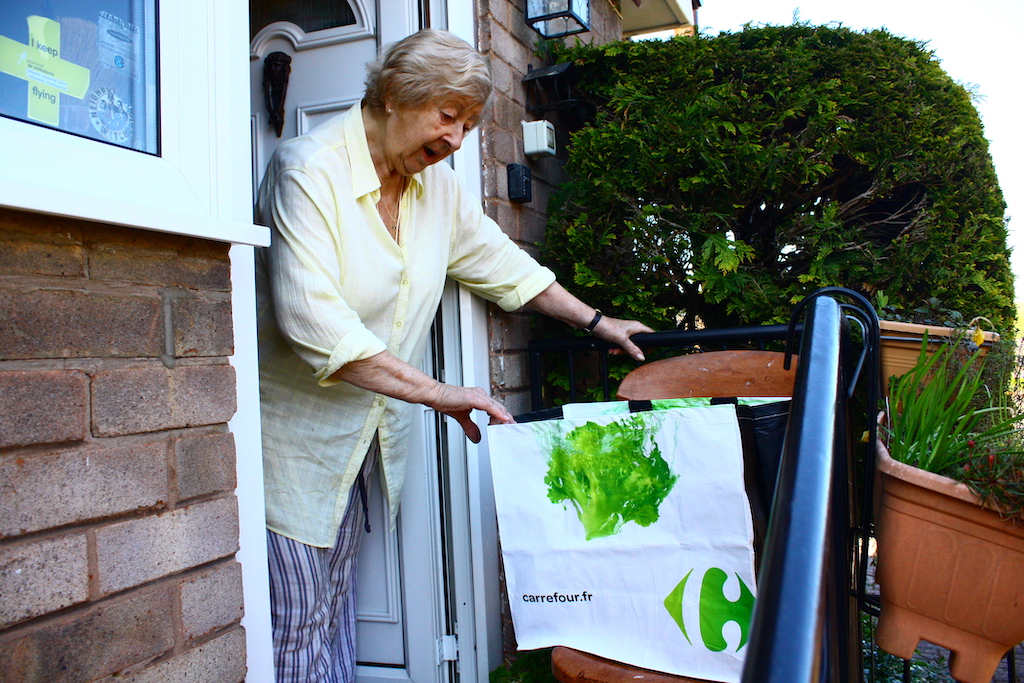
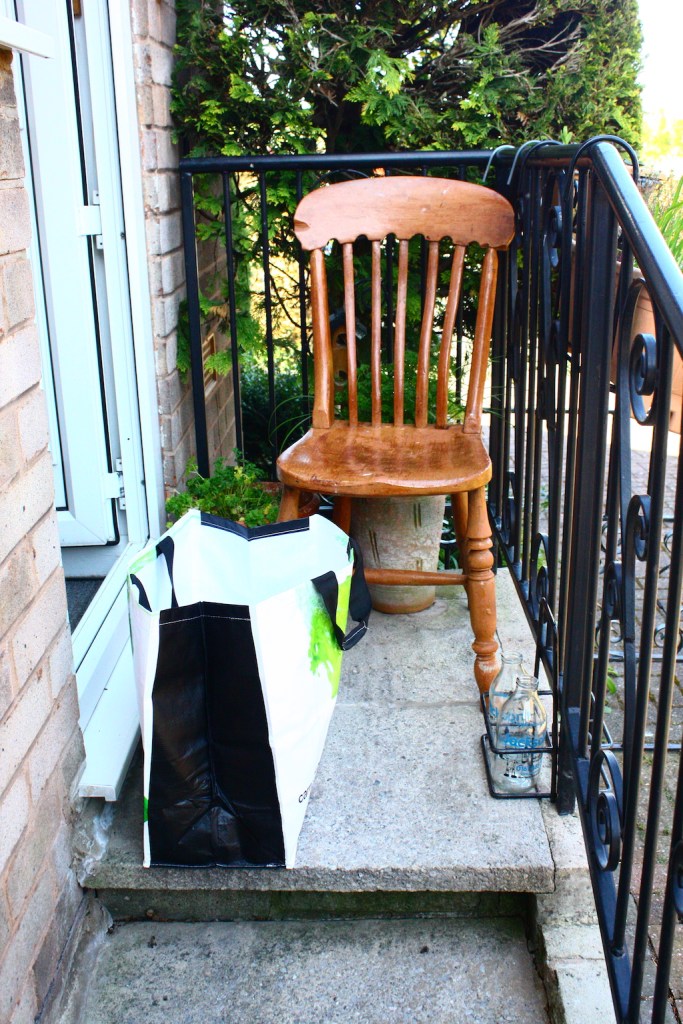
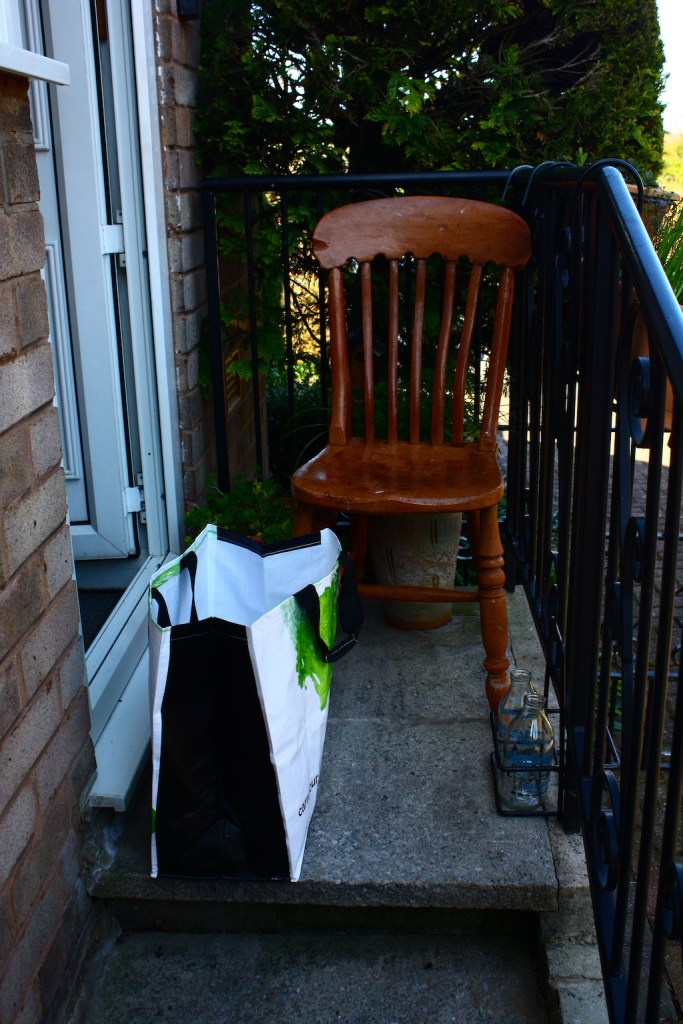
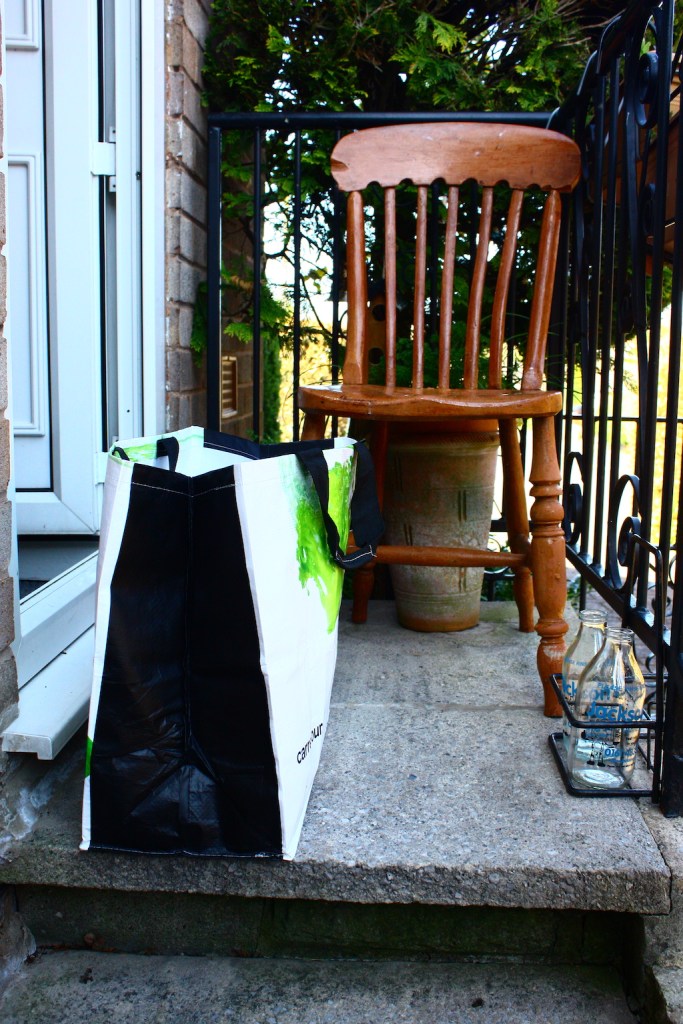
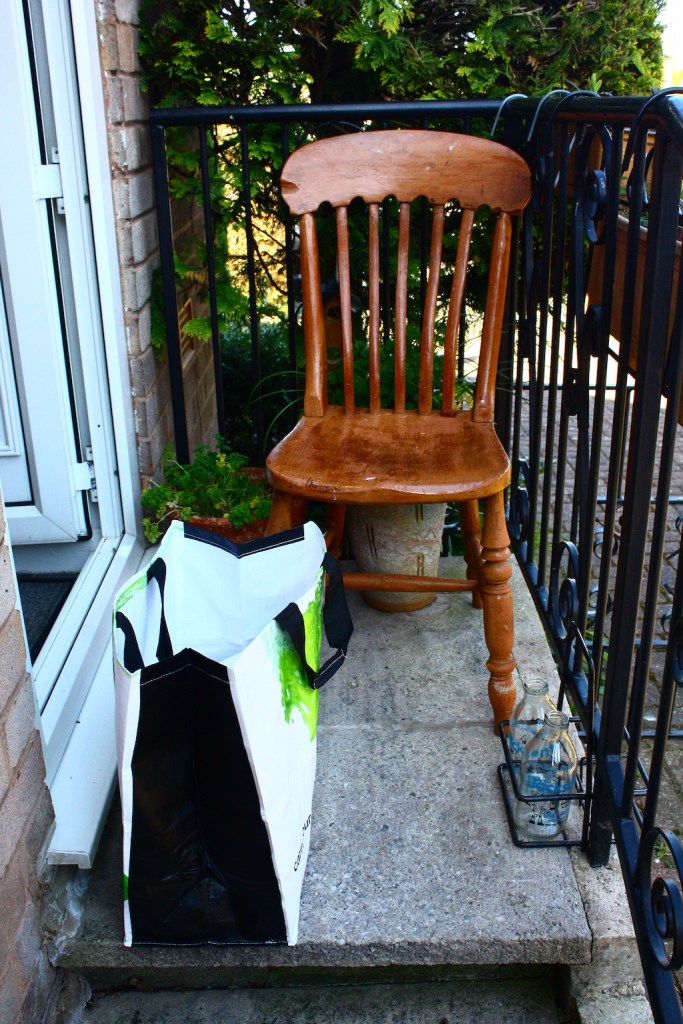
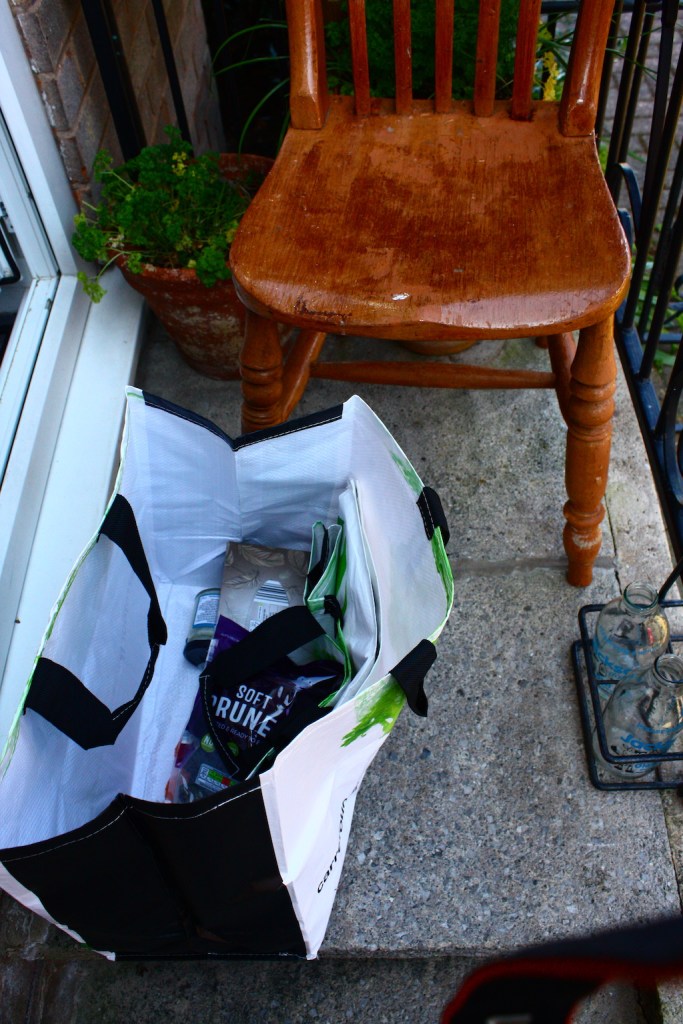
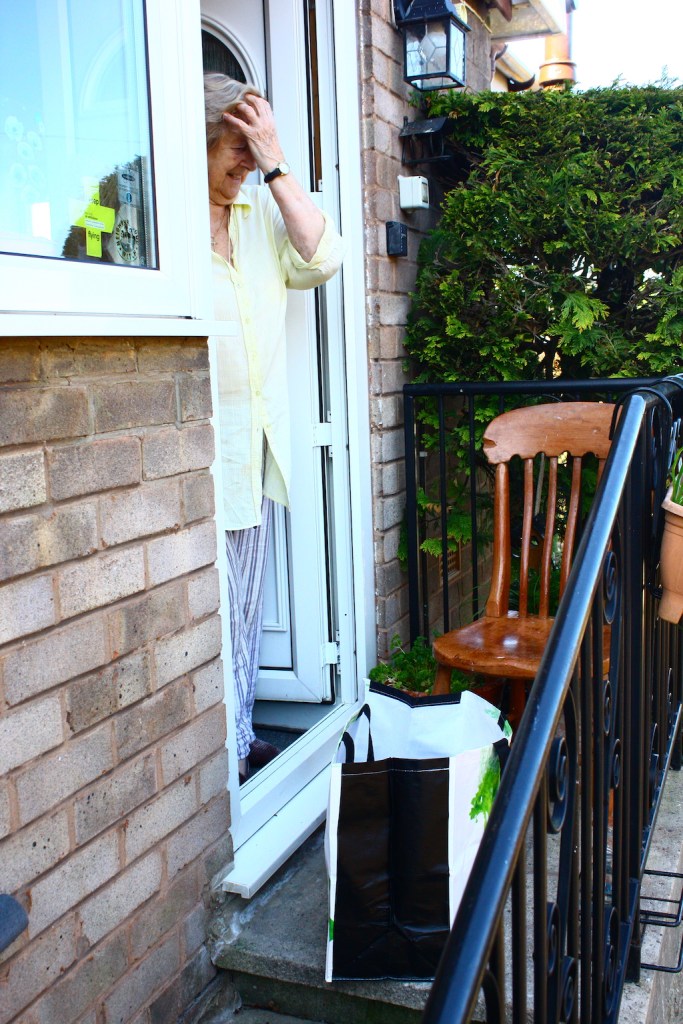
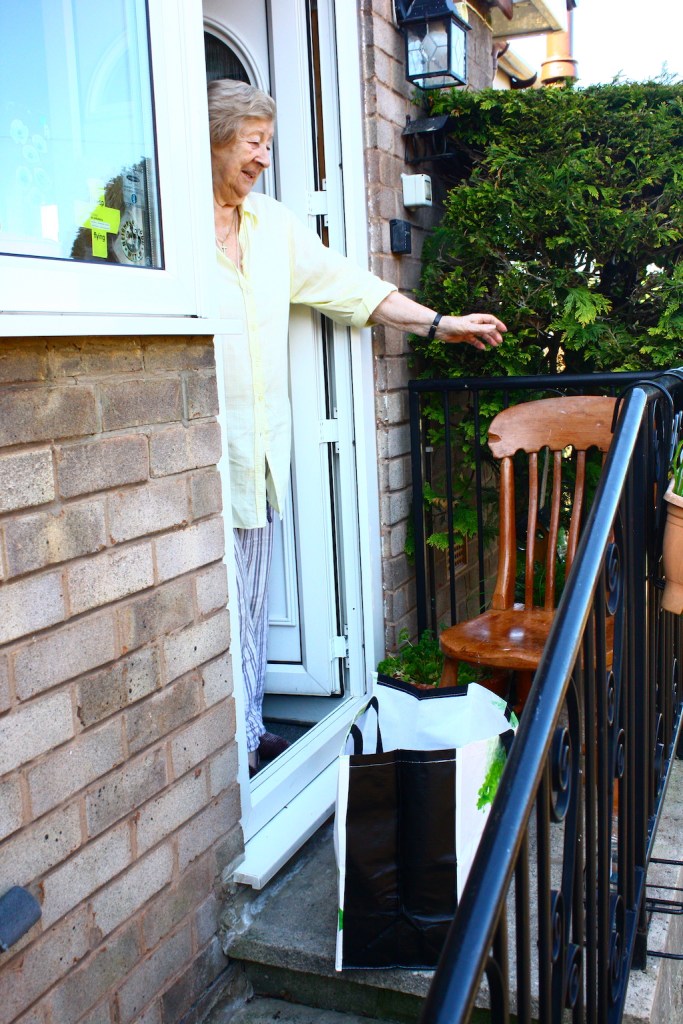
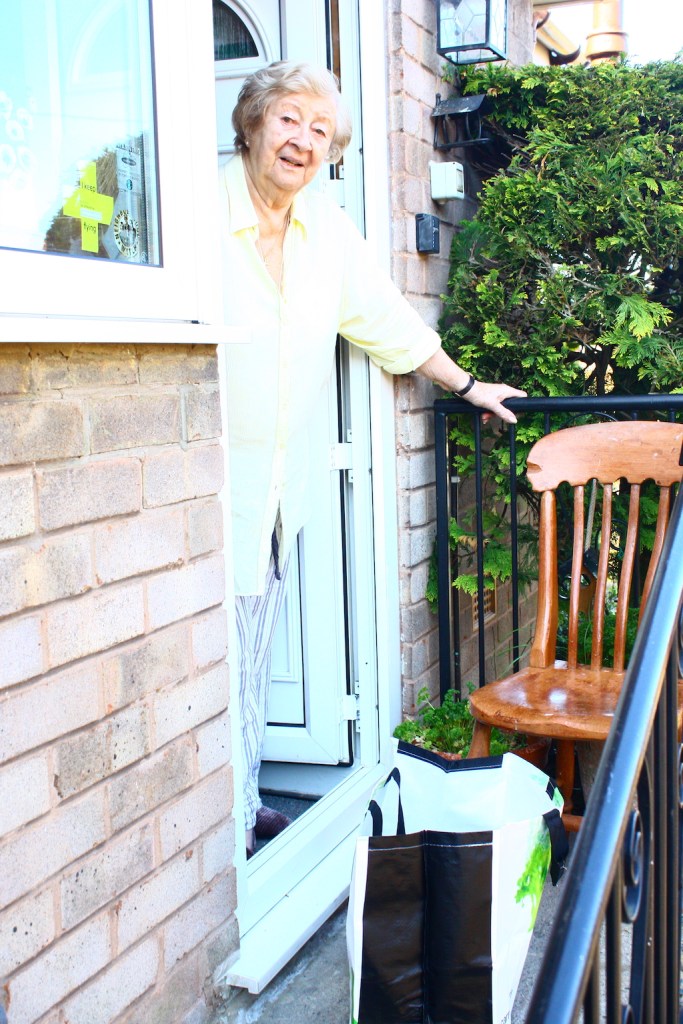
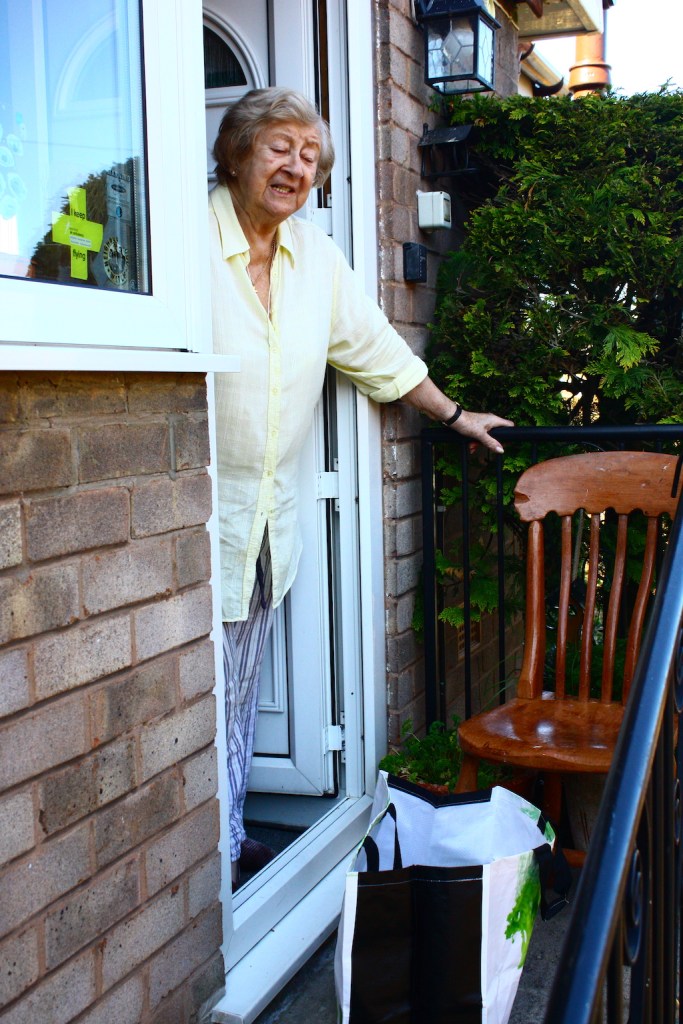
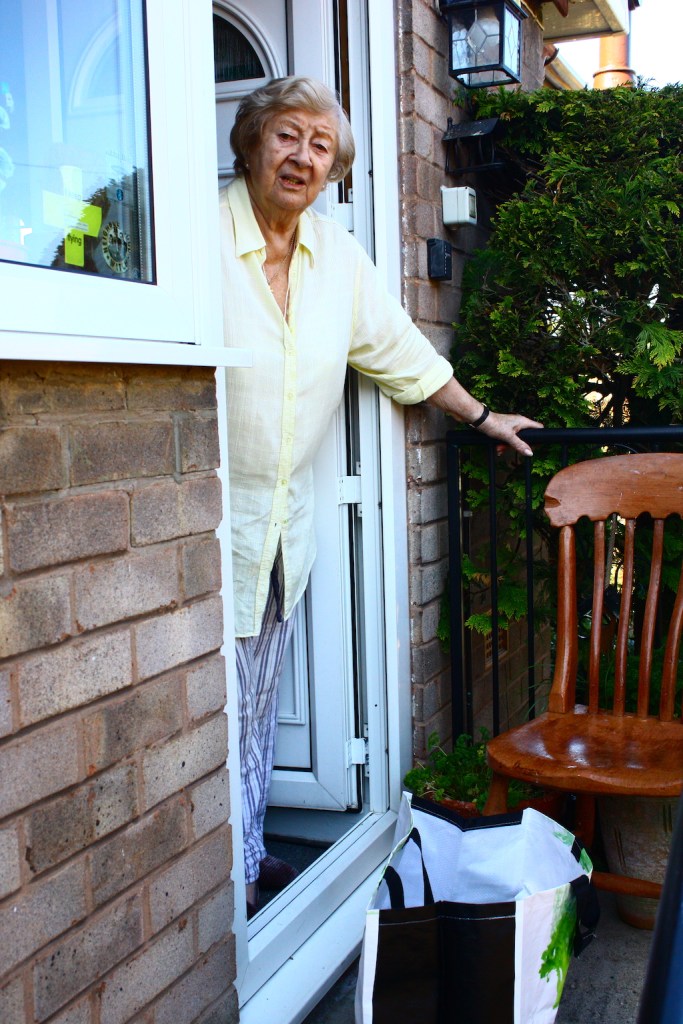
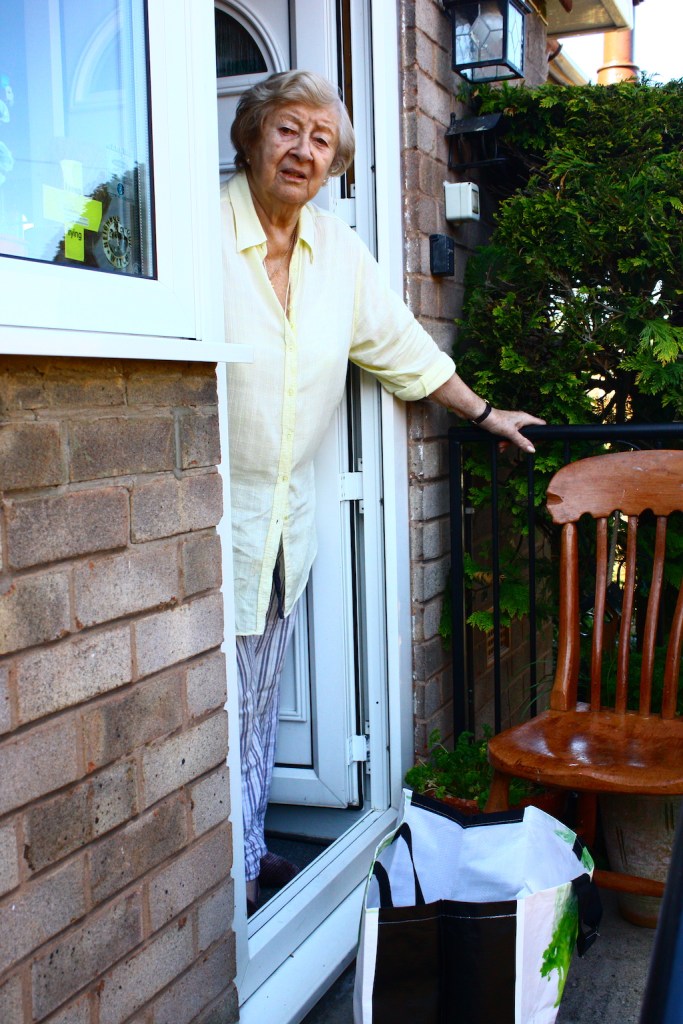
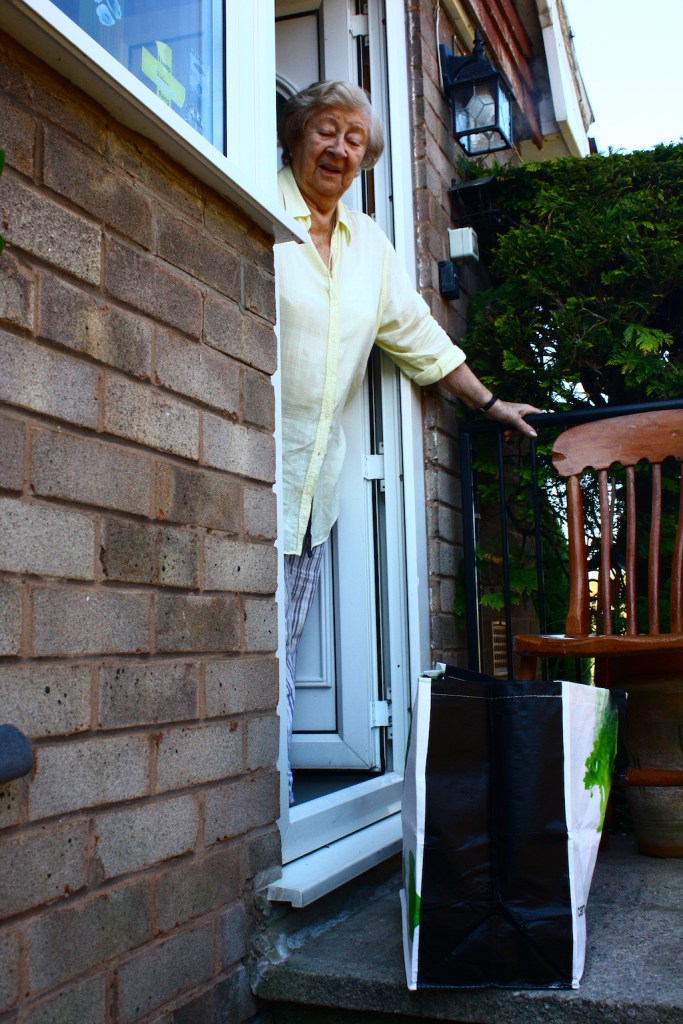
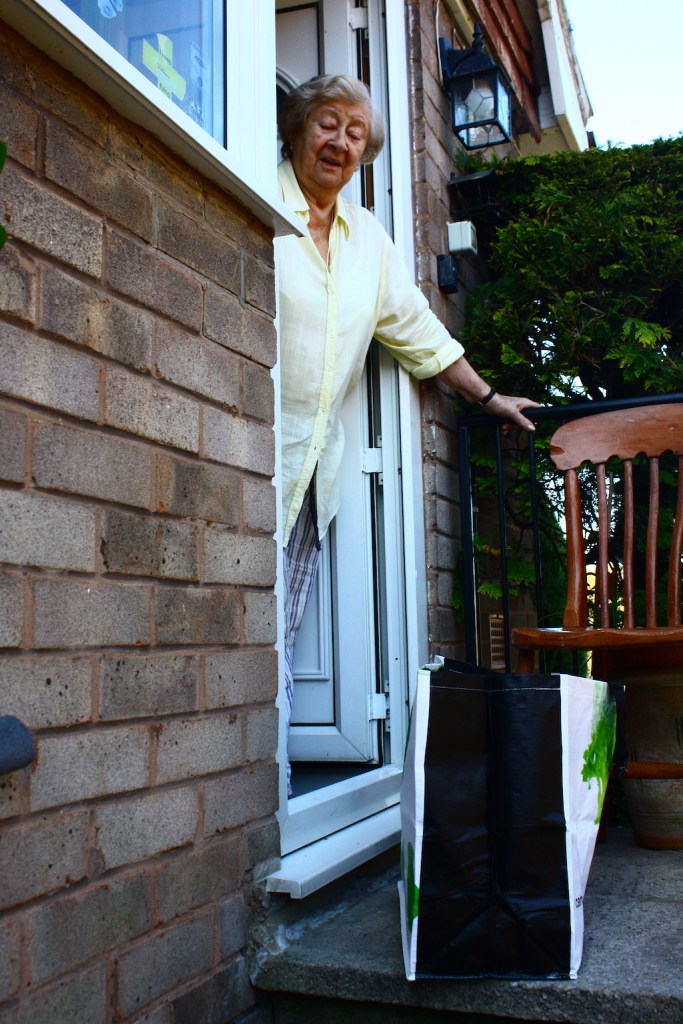
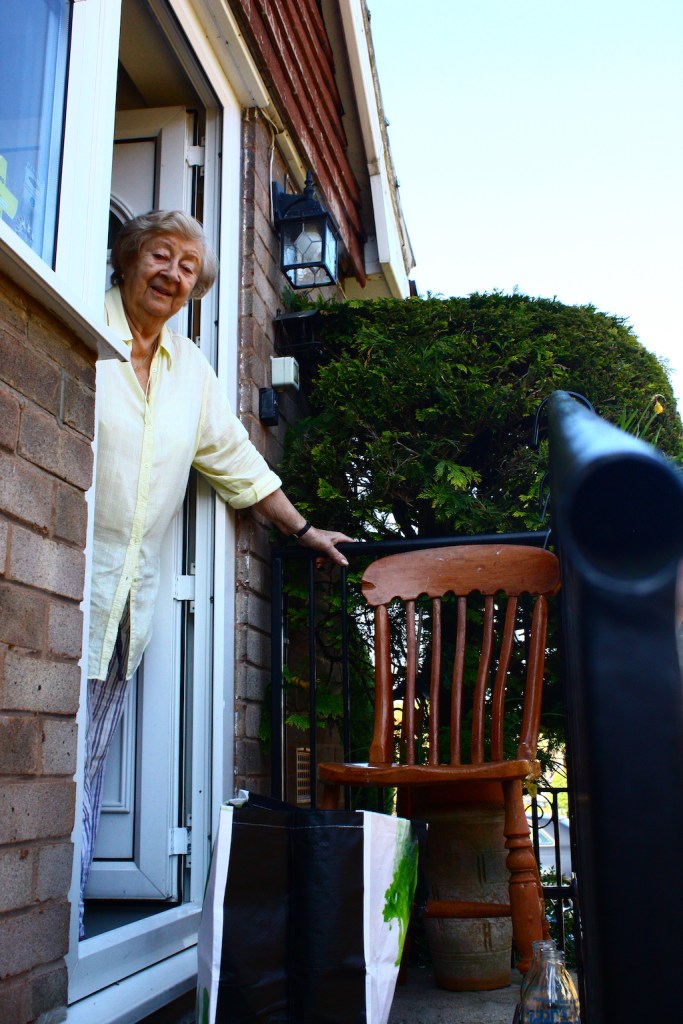
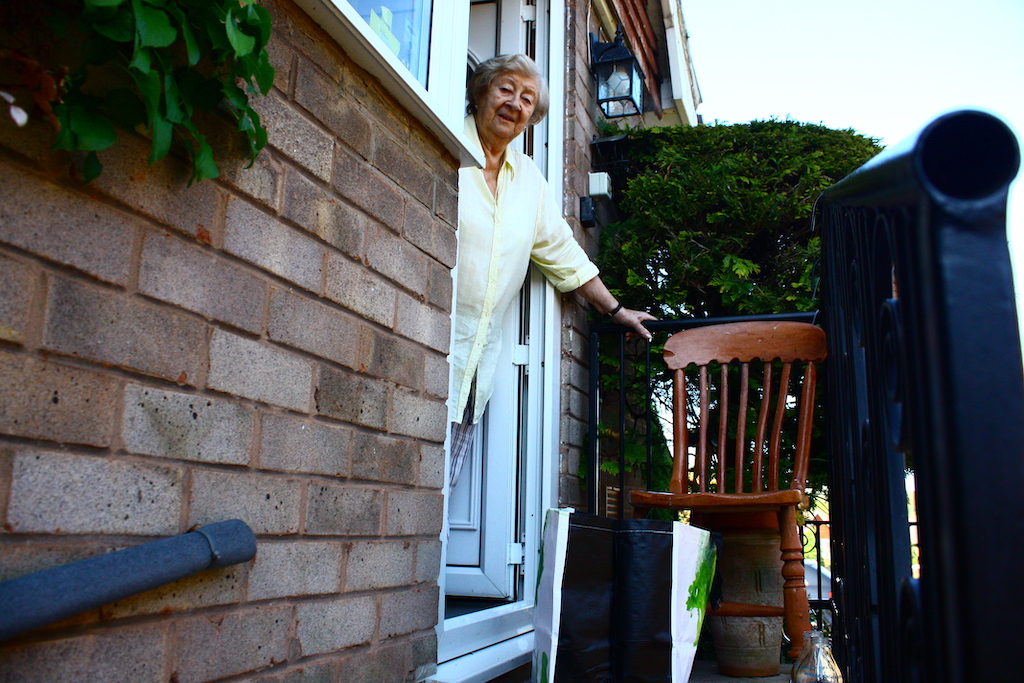
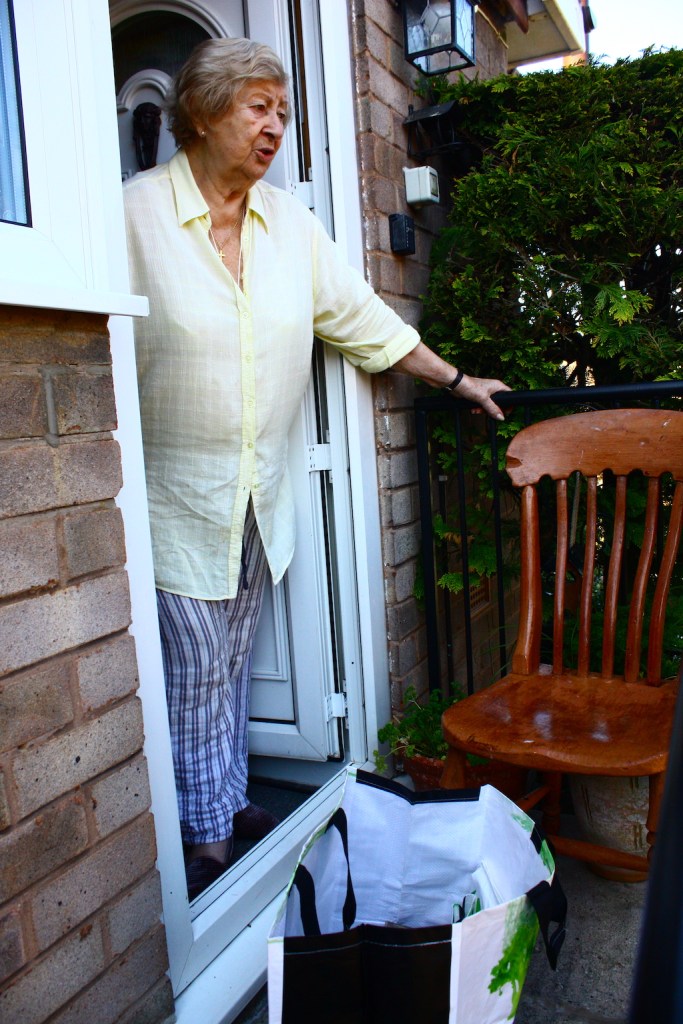
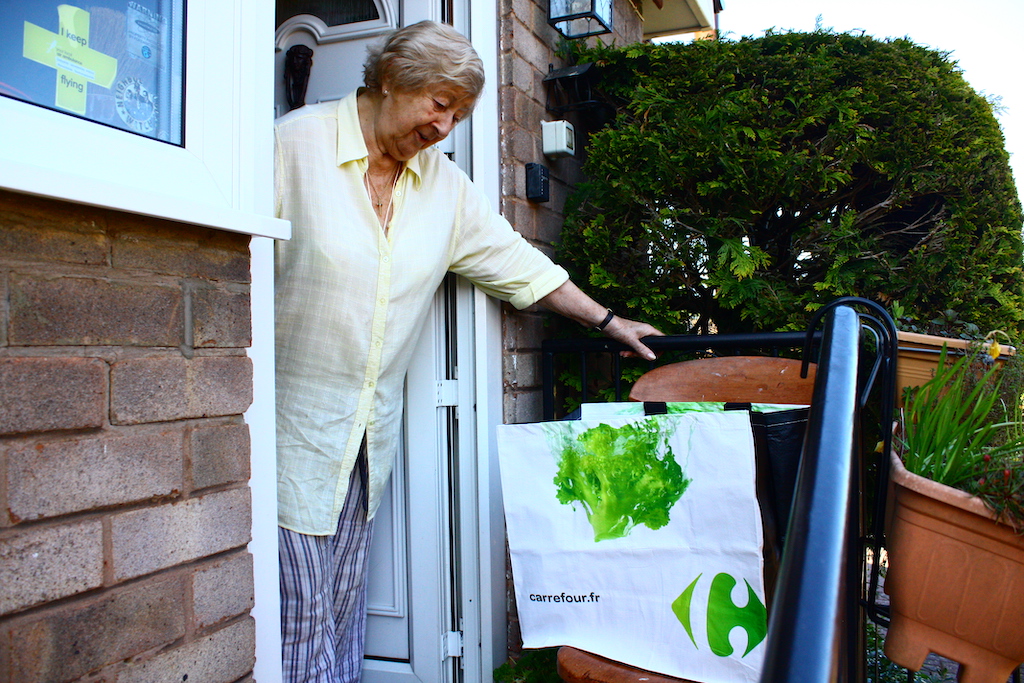
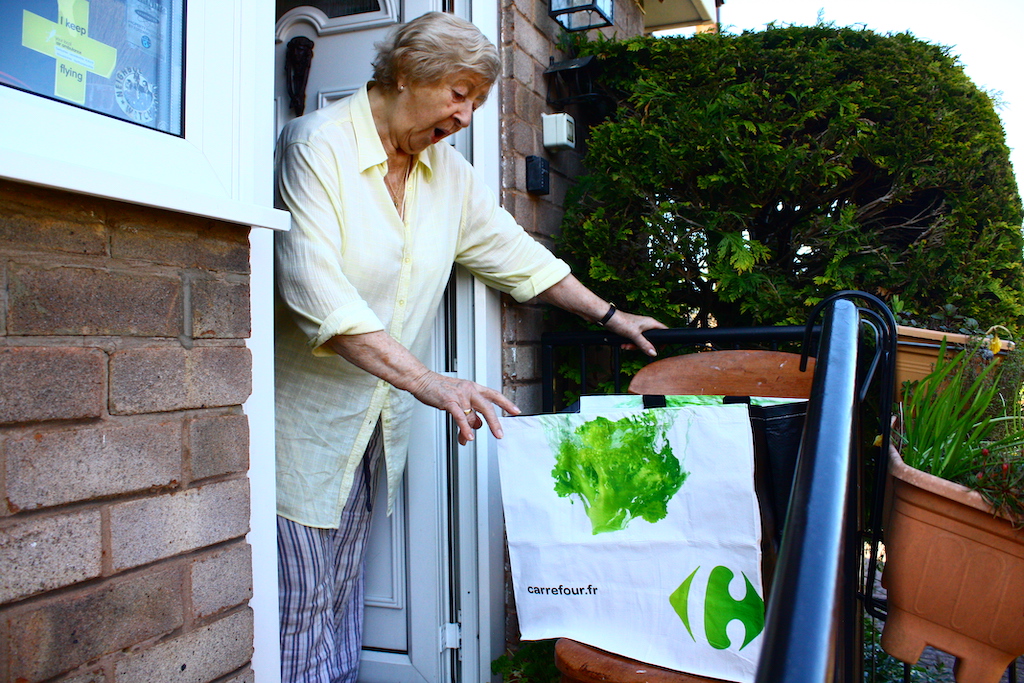
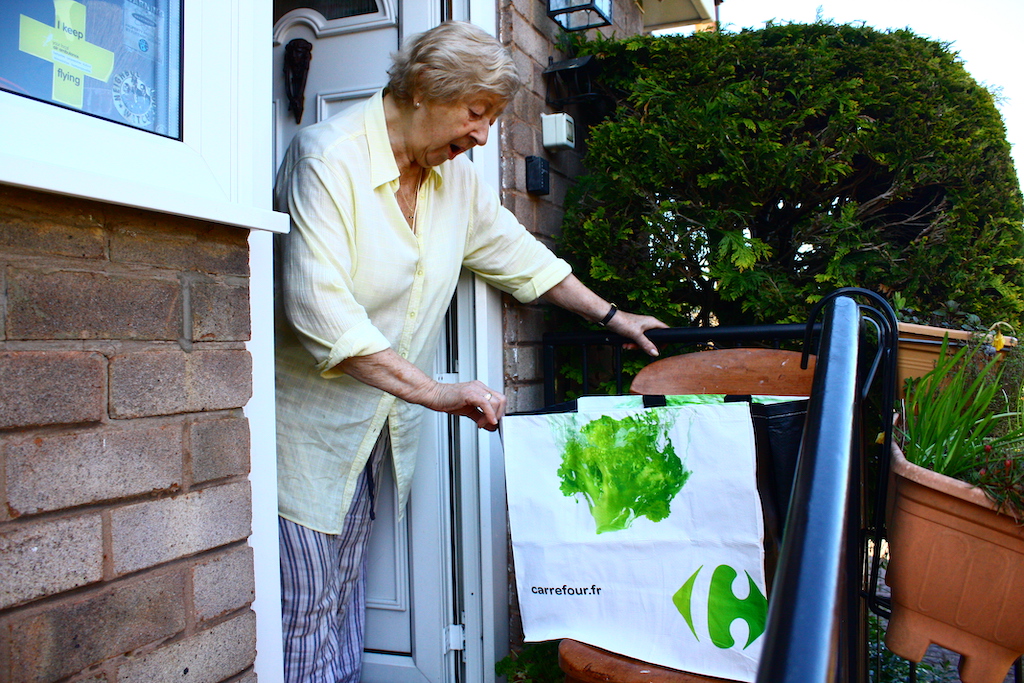
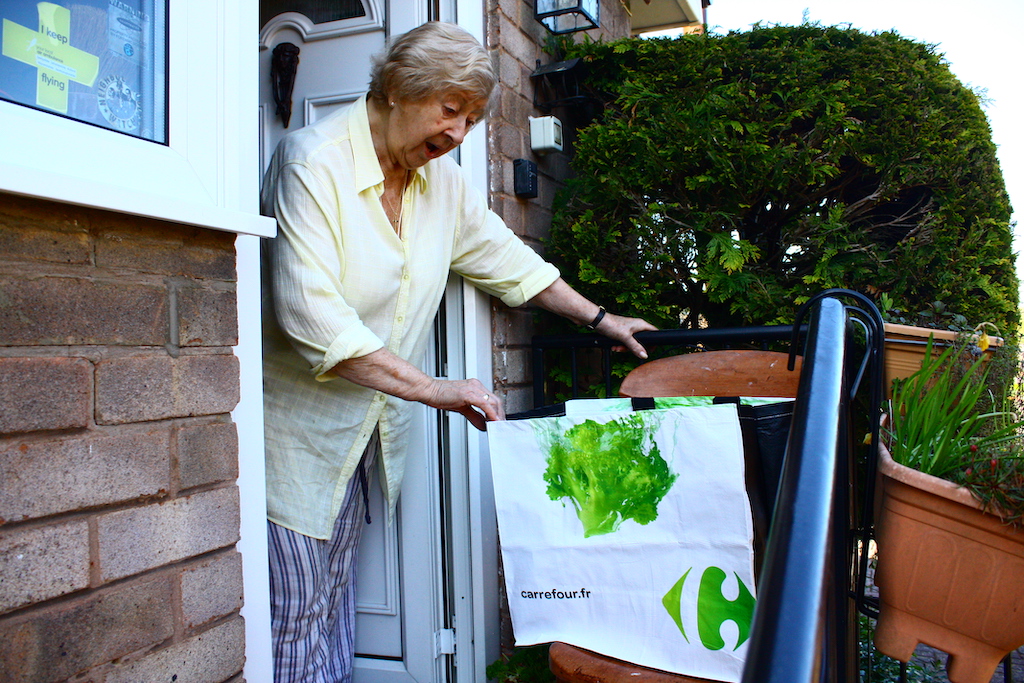
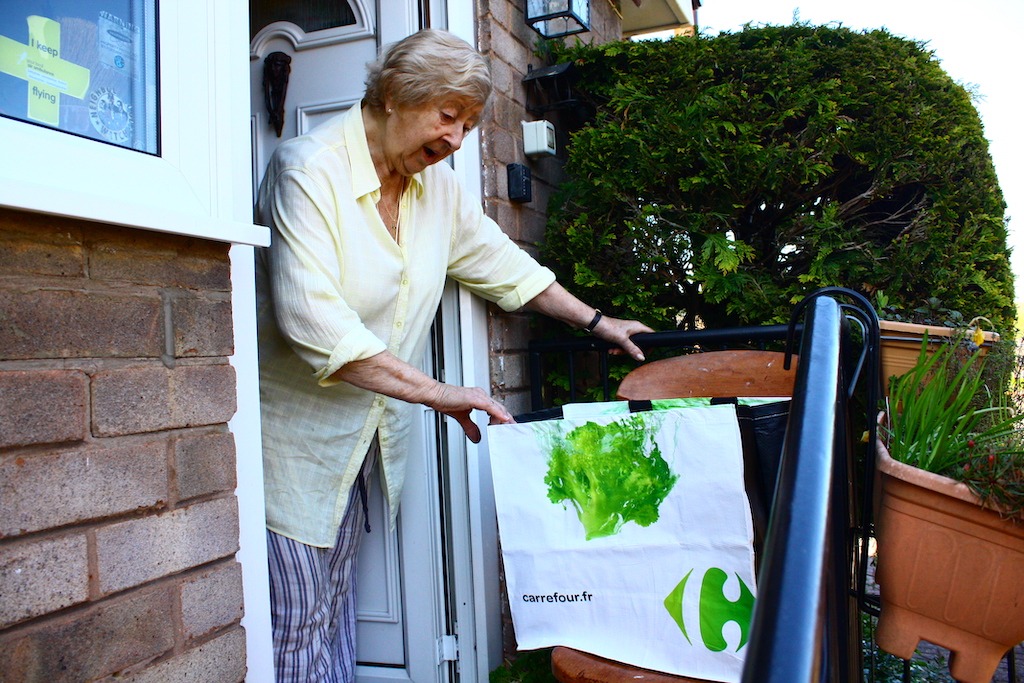
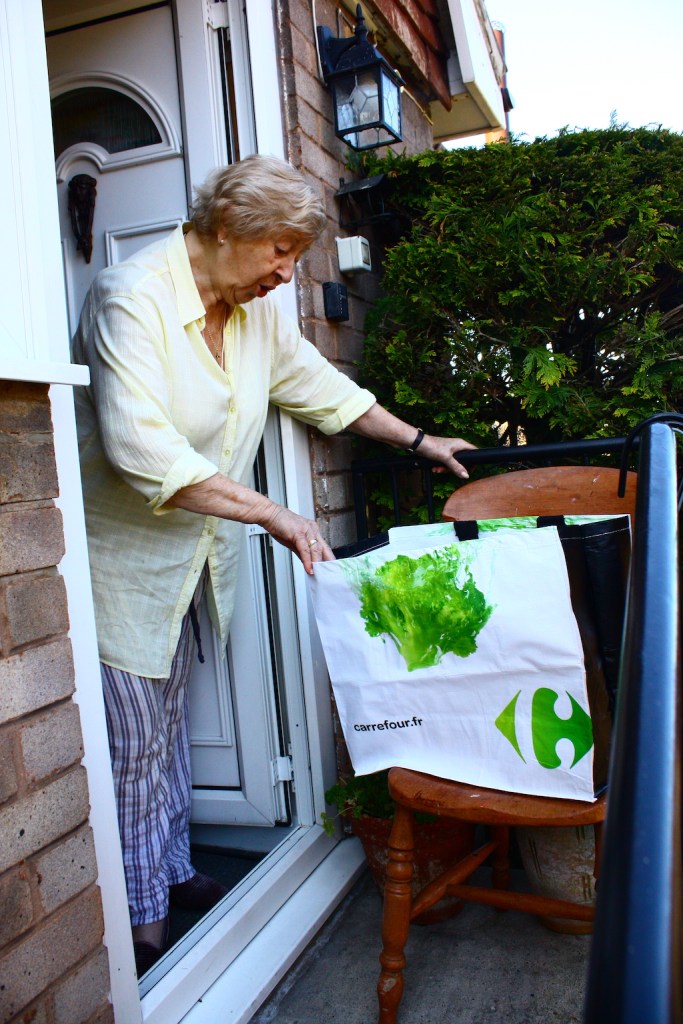
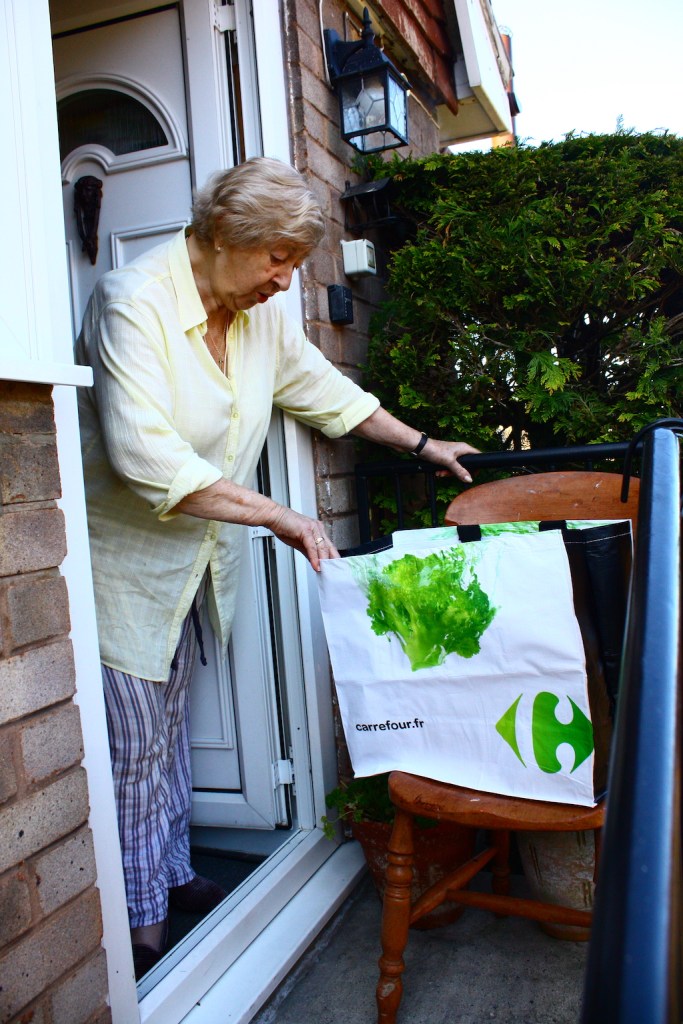
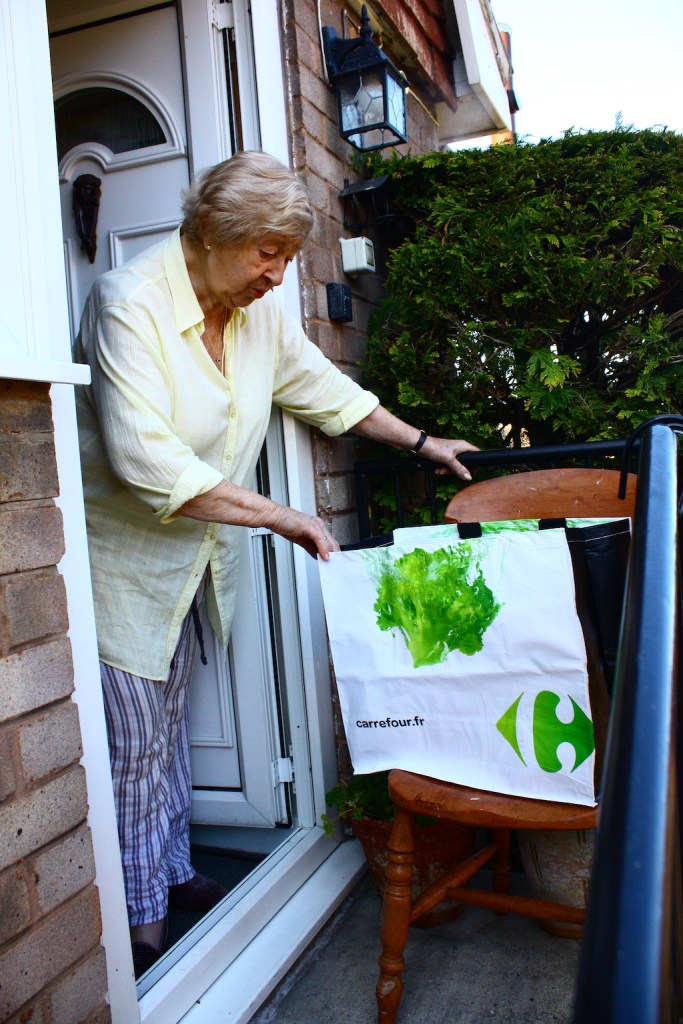
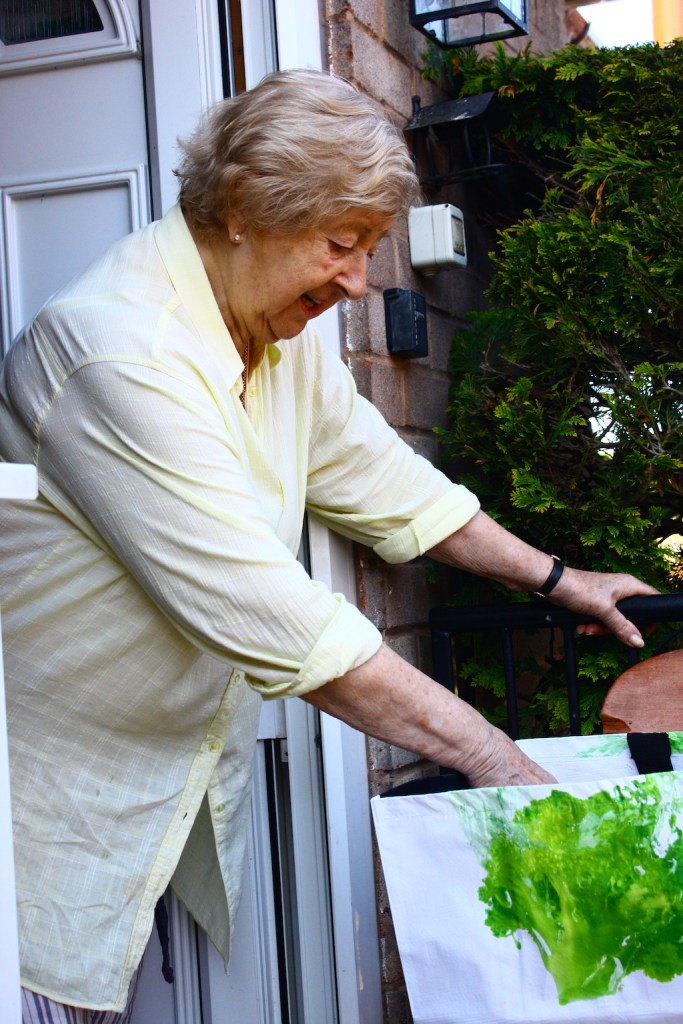
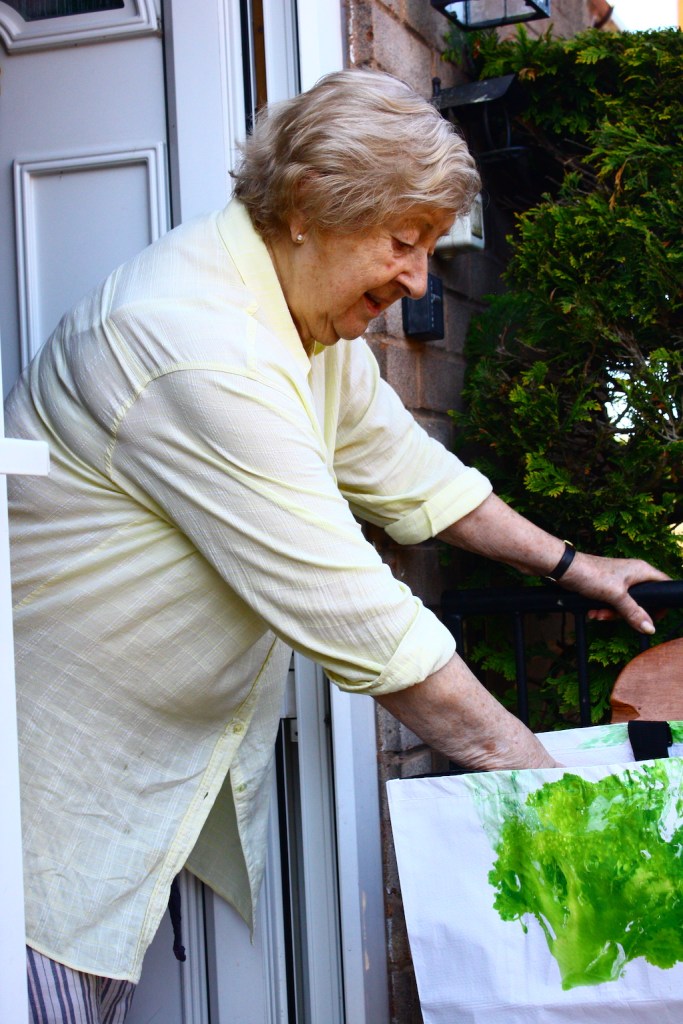
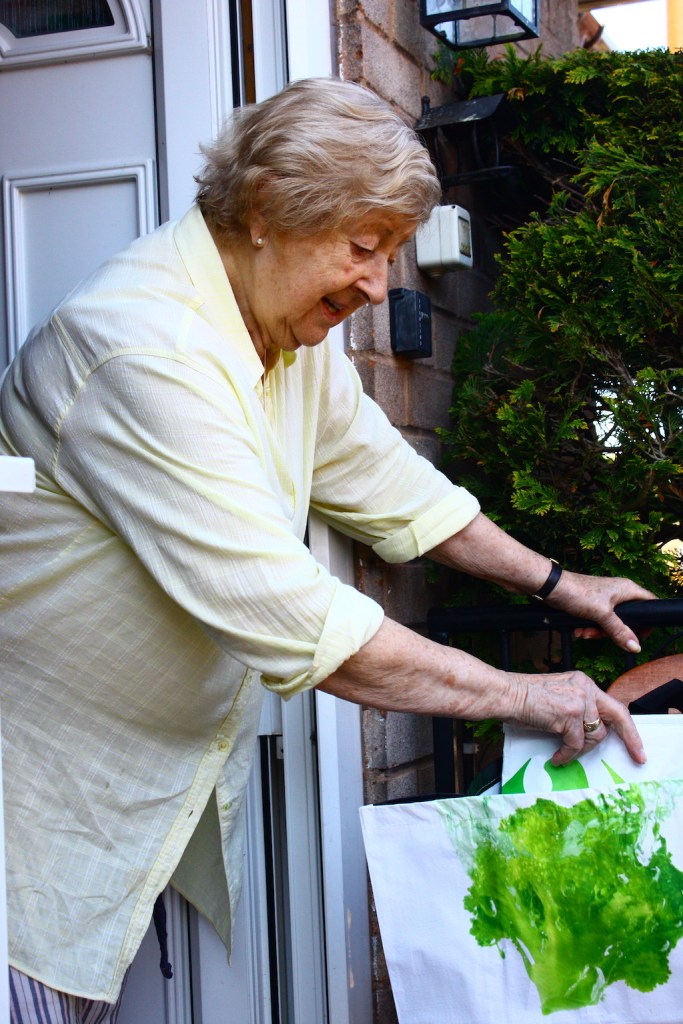
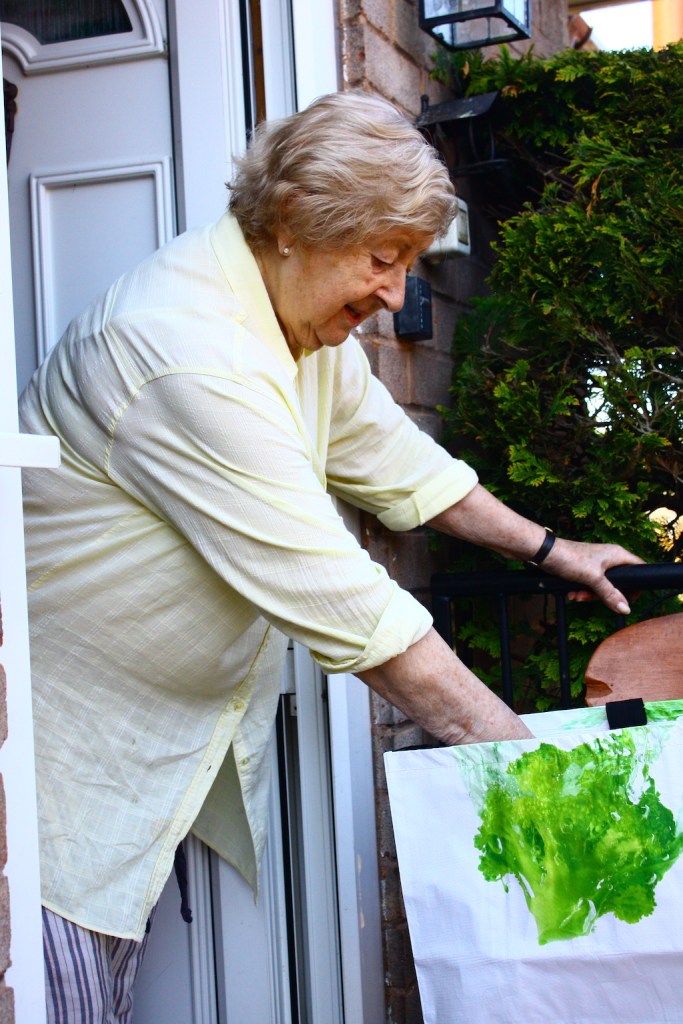
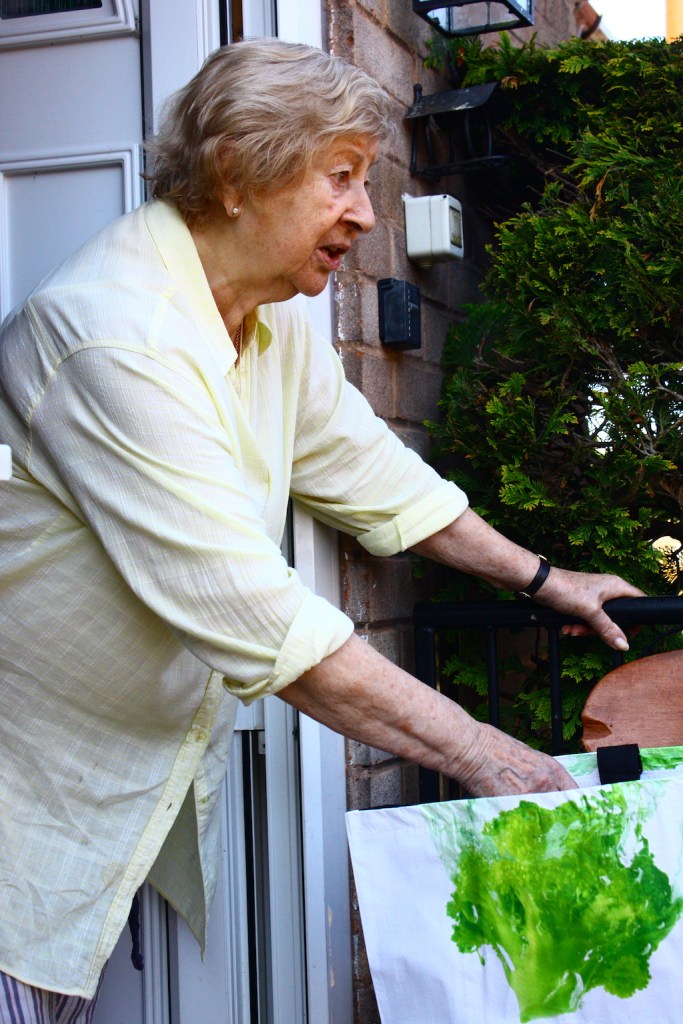
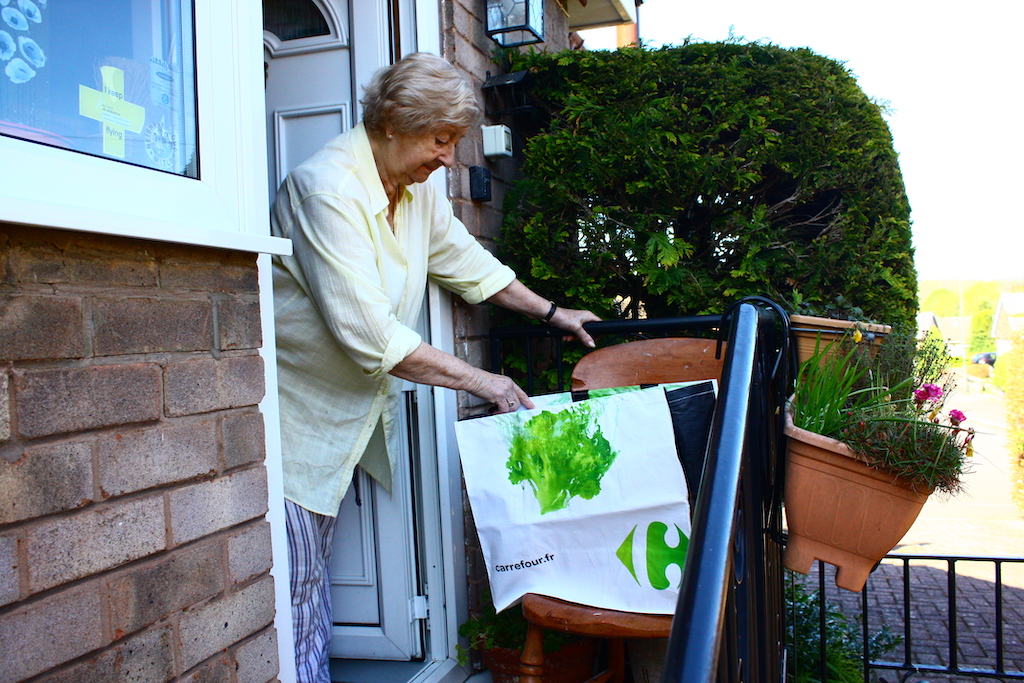
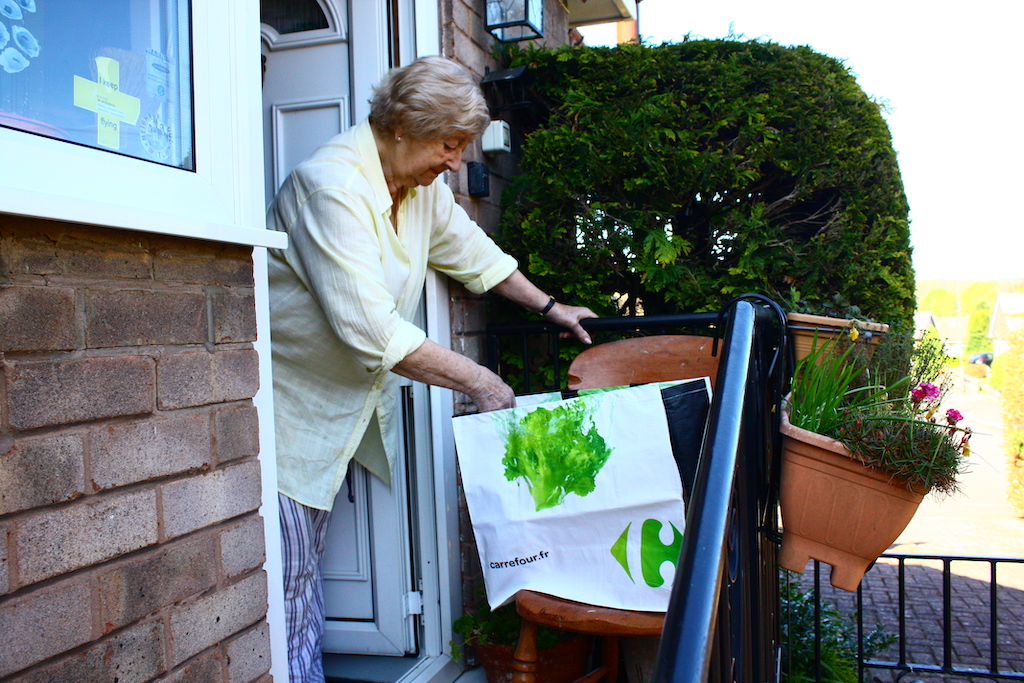
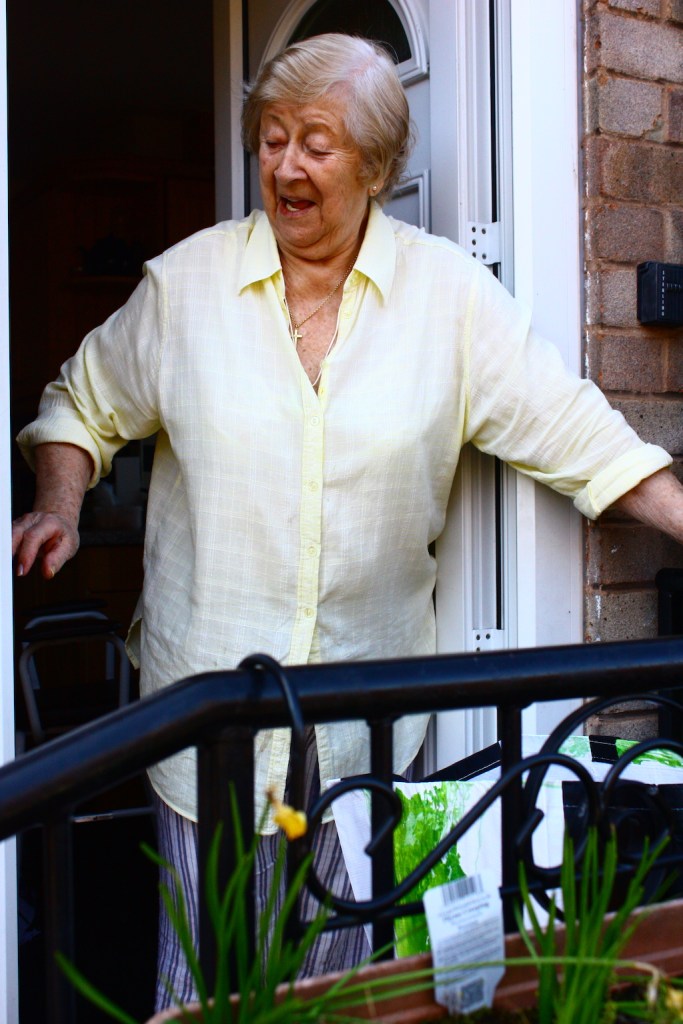
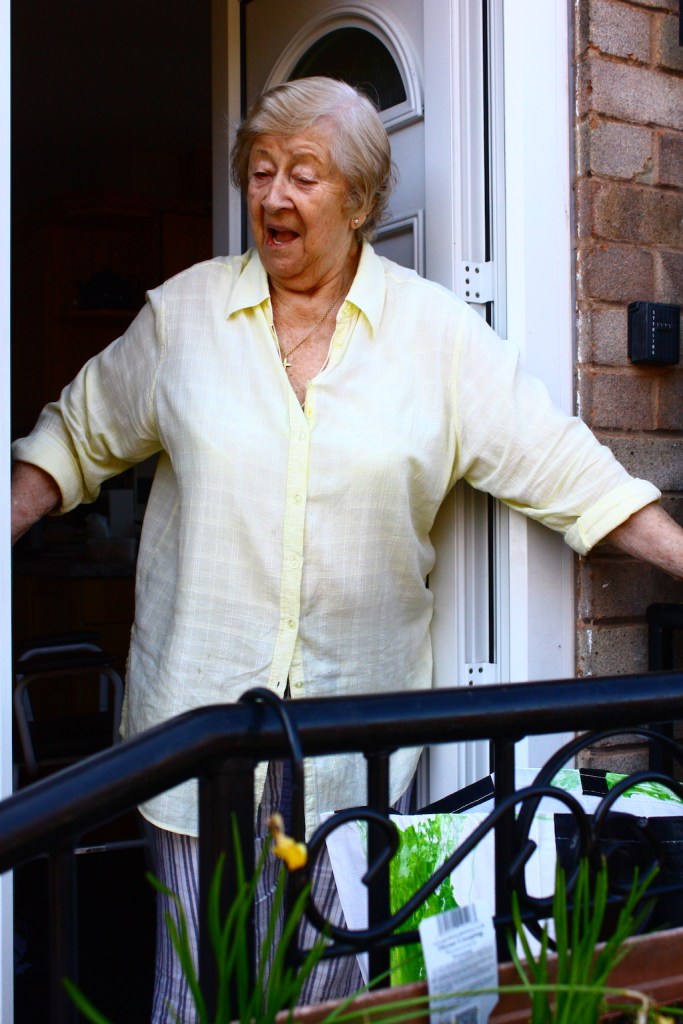
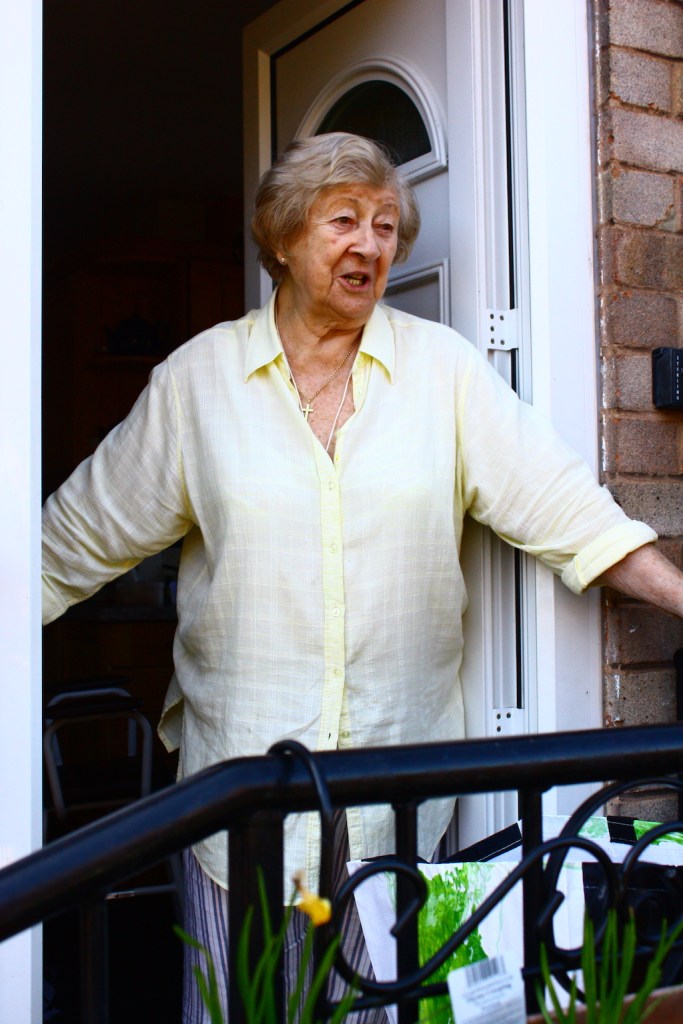
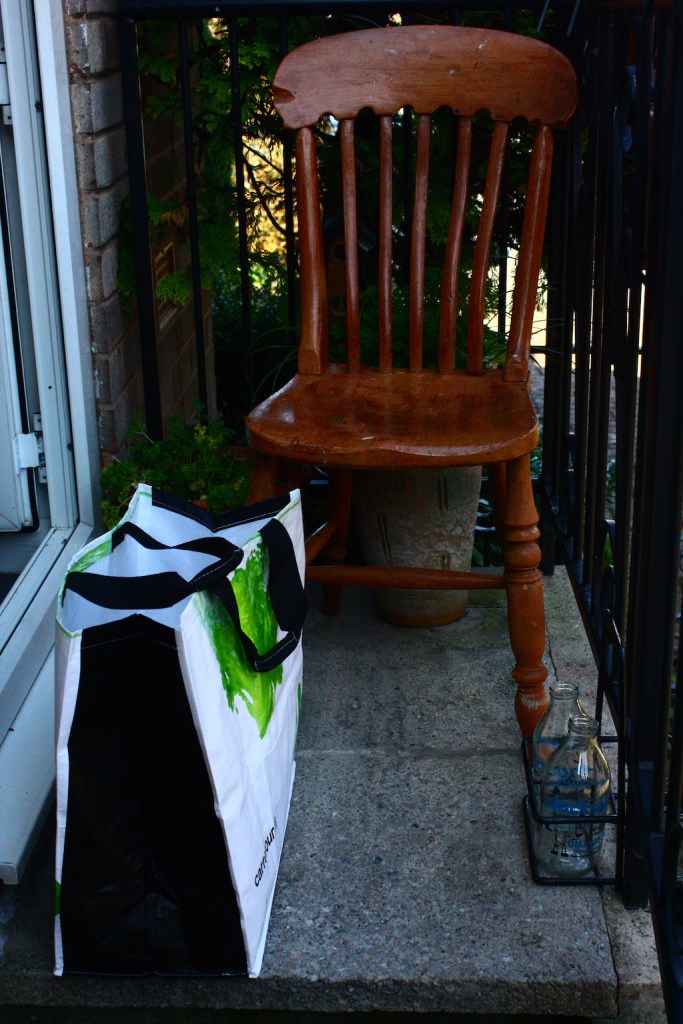
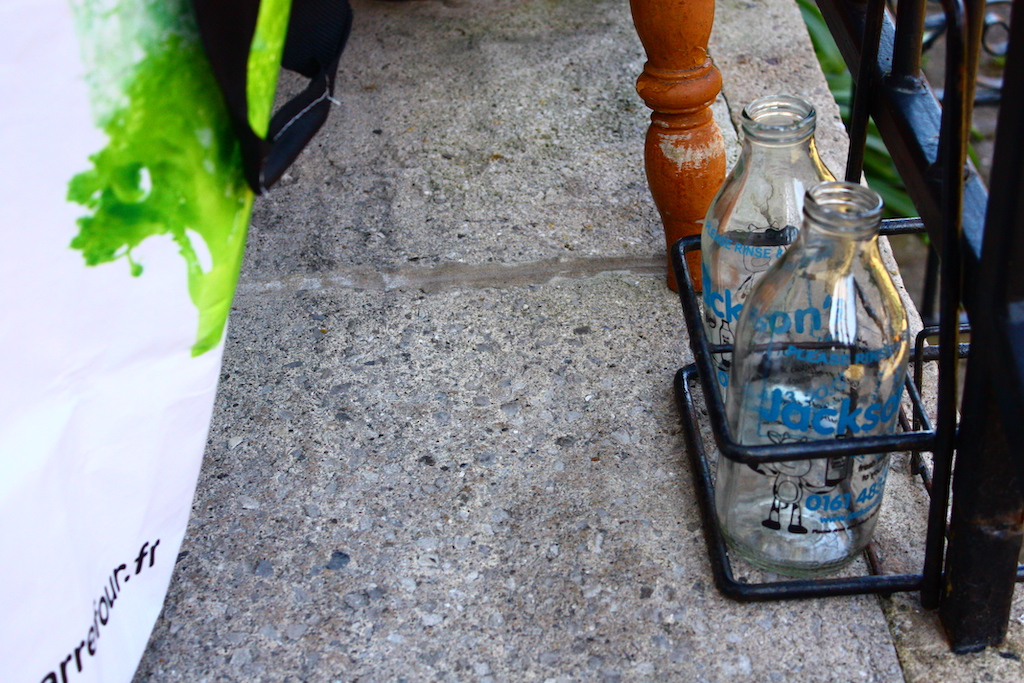
In this experiment with photography I took a style that resembled social documentary. I took various photos both with and without a human subject. I wanted to portray how someone in isolation receives there shopping, which is why these images show the vulnerable person with their weekly shop being delivered at their door.

I experimented with different camera settings and angles to get the most effective shots. I am really happy with the way these images turned out and plan on using this social documentary style throughout my project. The contact sheet below shows all the photos before editing.

Reflection: 6/04/20

Over the past few weeks I have began research into my project, establishing where I can get sources from and starting to get in contact with them. I have a strong list of contacts who have either been interviewed or I am yet to interview.

I also started playing around with a few bits of photography, changing the settings that we learnt in our seminars and capturing shots that I thought might work well for my piece. I had a go at a few still life shots. As I become more confident with the camera, I will progress more with the photography.

In the next week I aim to gather most of my interviews so I can figure out a structure for my piece, and plan my photography.

Reflection: 23/3/20

During this workshop, we discussed ways in which we could photograph spaces and objects, which will be really helpful considering the current conditions we are all currently working under.

We learnt about photographing from different perspectives, which is a technique I think I will use frequently across my project and creates some very interesting and unique images. We looked at example photos which demonstrated different perspectives, such as single-point which creates interesting lines of symmetry in the images. We also discussed using negative space to draw more attention to a singular subject.

We also looked at examples of different points of view to create more interesting photos, such as looking directly up with the camera, or placing the camera at ground level.

An interesting technique we looked at was photographing still life in different ways, to make it more interesting to fit different styles of photography. This is a technique I can definitely see myself applying to my project to add variety across my images and help tell the story.

Overall, I feel as though I really benefited from this seminar as we were taught really interesting ways to use our camera and get unique shots that we can apply to the situation we are in. I feel a lot more confident going into the project and it has sparked some creativity in me.
Project Pitch: 2

Due to the coronavirus and being in lockdown, my original project idea is unfortunately no longer possible. Therefore I have re-thought my project and decided on a subject that I can do whilst working under these conditions and still produce a quality piece of journalism and images.

What I aim to do is speak to vulnerable people and those looking after the vulnerable whilst in lockdown, to see what life is like for them now. I want to know how they are coping, what the biggest struggles are for them.

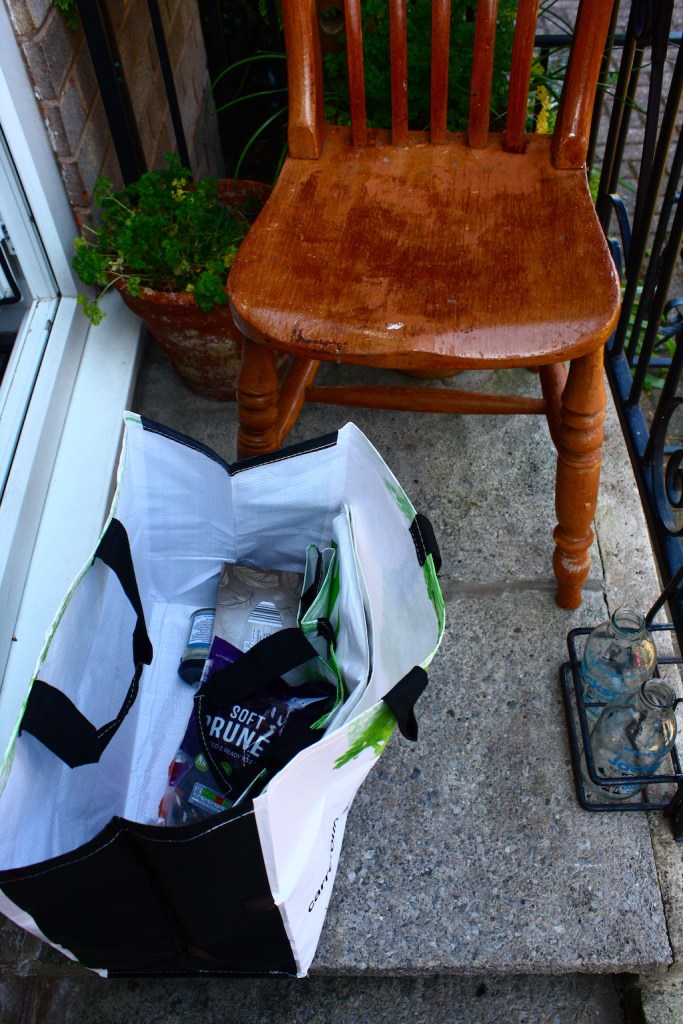
For images, I would have to be very careful in order to comply with social distancing. However, I would use what we learnt from photographing spaces and objects to create a story with the images. A few ideas I had were taking pictures of going to visit the vulnerable while socially distancing, maybe through an open window. I would also be able to photograph a front door, with bags of shopping outside, to show how we have had to lose contact with people over the most simple of things.

In terms of structure, I originally wanted to create my piece on InDesign across a four-page magazine spread. I hope to still do this, but this depends on my ability to access InDesign due to the circumstances. The piece will be between 2000-2500 words and feature 8-12 images to help document the story.

Design a site like this with WordPress.com
Get started